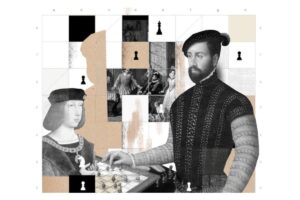
- Ruy López de Segura is widely regarded as the first unofficial world chess champion, achieving fame after defeating Italian masters in 1575.
- He authored the influential 1561 treatise "Libro de la Invención Liberal y Arte del Juego del Ajedrez," which systematized opening analysis.
- He played a pivotal role during the transition from medieval chess to the modern game, coinciding with the introduction of the powerful Queen piece.
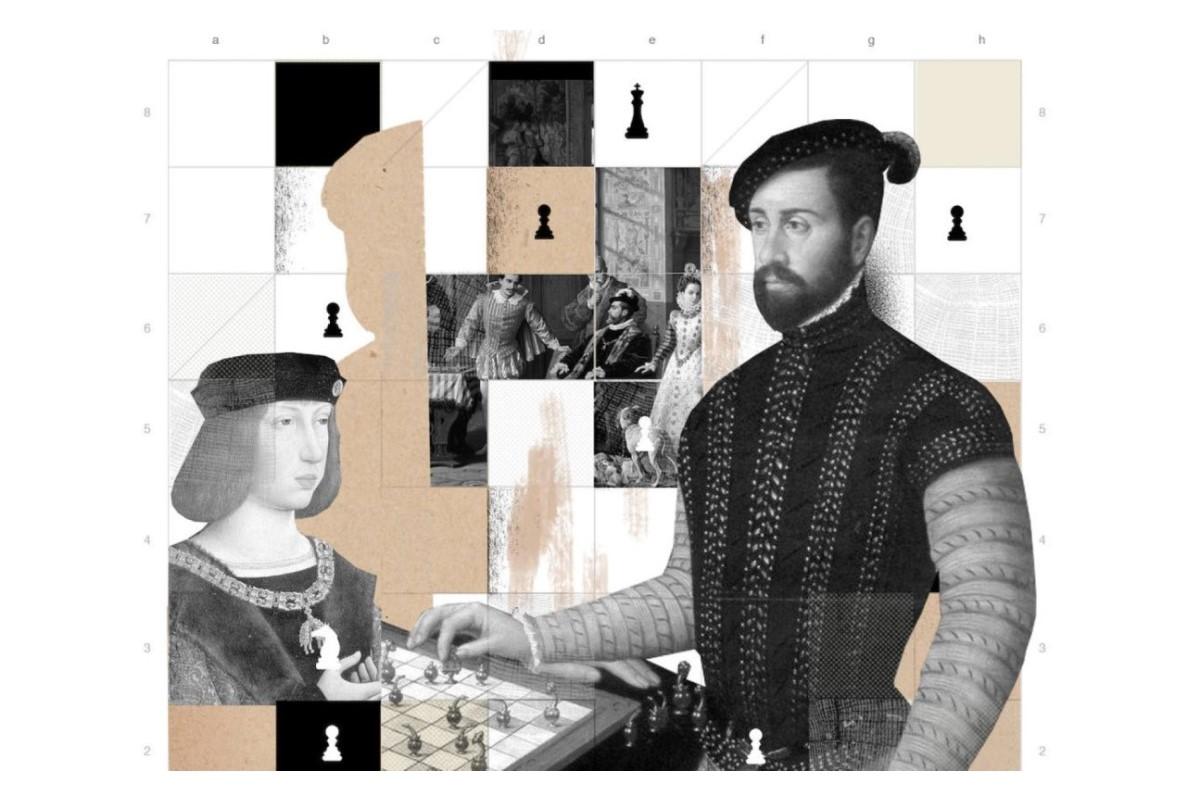
When we dive into the roots of competitive chess, one name stands above the rest from the Renaissance era. Born around 1540 in the town of Zafra, Extremadura, specifically on Tetuán Street, Ruy López de Segura emerged as a towering figure whose influence still ripples through every modern tournament. While some historians debate whether his surname was Sicura or Segura, this minor detail is simply a reflection of the multicultural melting pot of Spain, where Celtic, Iberian, Moorish, Jewish, and Christian influences blended together to shape the identity of its cities.
It is a bit of a trip to realize that while he is globally recognized for the «Spanish Opening,» he didn’t actually invent those specific moves. Instead, his fame comes from being a pioneer of chess theory and an absolute beast at the board during a time when the game was transitioning from its slow, medieval roots into the dynamic sport we know today. As a high-ranking cleric and Bishop, López combined his spiritual duties with a relentless passion for the 64 squares, eventually earning the unofficial title of the world’s first champion.
The Evolution of the Royal Game
To truly appreciate Ruy López, we have to look at what chess was like before him. Back in the 15th century, the game was a snail’s pace; the bishop only jumped two squares and there was no powerful Queen, only a piece called the alferza that moved one square at a time. Things started shifting around 1475 with the «Scachs d’amor,» a poetic work by Valencian authors that introduced the modern movement of the Queen, effectively speeding up the game and giving it a new own energy.
Following this revolution, early treatises like the one by Francesc Vicent in 1495 and the legendary work by Lucena in 1497 laid the groundwork. Lucena’s book was so influential that it’s still kept in a high-security vault at the University of Salamanca. Ruy López arrived right as this renaissance of chess was hitting its stride, taking those early rules and elevating them into a systematic science.
A Master of Theory and Psychology
López wasn’t just playing for fun; he was an analyst. In 1561, he penned the «Libro de la Invención Liberal y Arte del Juego del Ajedrez,» which is widely considered one of the most important chess manuals in history. He didn’t just list moves; he tried to motivate the logic behind them and analyze openings with a level of rigor that was unheard of at the time.
Interestingly, the Bishop also believed in psychological warfare. He suggested some pretty sneaky tactics to throw off an opponent: if playing during the day, he advised positioning the opponent so the sun would shine directly in their eyes. At night, he recommended placing the lamp to the right of the rival so that their own hand would cast a shadow over the board. It goes to show that even in the 16th century, winning was everything and the mental game was just as vital as the tactical one.
The Path to Global Dominance
His rise to the top was cemented through the patronage of King Philip II, who was a massive fan of the game. In 1575, the King invited López to court for a high-stakes tournament against the most prestigious Italian masters of the era. This event is often cited as the birth of the world championship concept, and Ruy López emerged as the undisputed victor, proving his superiority on a grand stage.
One of the most mind-blowing moments of this tournament was when he faced Leonardo il Puttino, the champion of Italy. Instead of playing the standard Spanish Opening, López shocked the court by deploying the first King’s Gambit in recorded history. This bold move led to a swift victory in just 12 moves, demonstrating how a single inaccuracy—like playing 5… dxe5 instead of 5… d5—could lead to immediate disaster.
A Lasting Mark on History
Beyond the board, Ruy López lived a life of prestige and service. His family’s influence helped him attain the position of Bishop, and his brother Alonso continued the family legacy by transforming their home into a Hospital for Convalescents. Today, that very house in Zafra stands as a monument, featuring a plaque adorned with chess pieces that reminds every visitor that a true global sporting legend once lived there.
While formal world titles didn’t exist until Wilhelm Steinitz in 1886, the legacy of the cleric from Zafra is undeniable. From his tactical brilliance and his contributions to written theory to his ability to dominate the best players of Italy and Spain, he bridged the gap between the medieval pastime and the professional sport. His life serves as a testament to the enduring power of strategy and the timeless appeal of the most noble game.