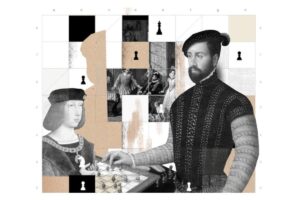
- Ruy López de Segura is recognized as the first unofficial world champion and a pioneering chess theorist.
- His 1561 treatise, 'Libro de la Invención Liberal y Arte del Juego del Ajedrez', standardized early modern chess theory.
- The famous Spanish Opening is named in his honor, remaining a cornerstone of elite competitive play today.
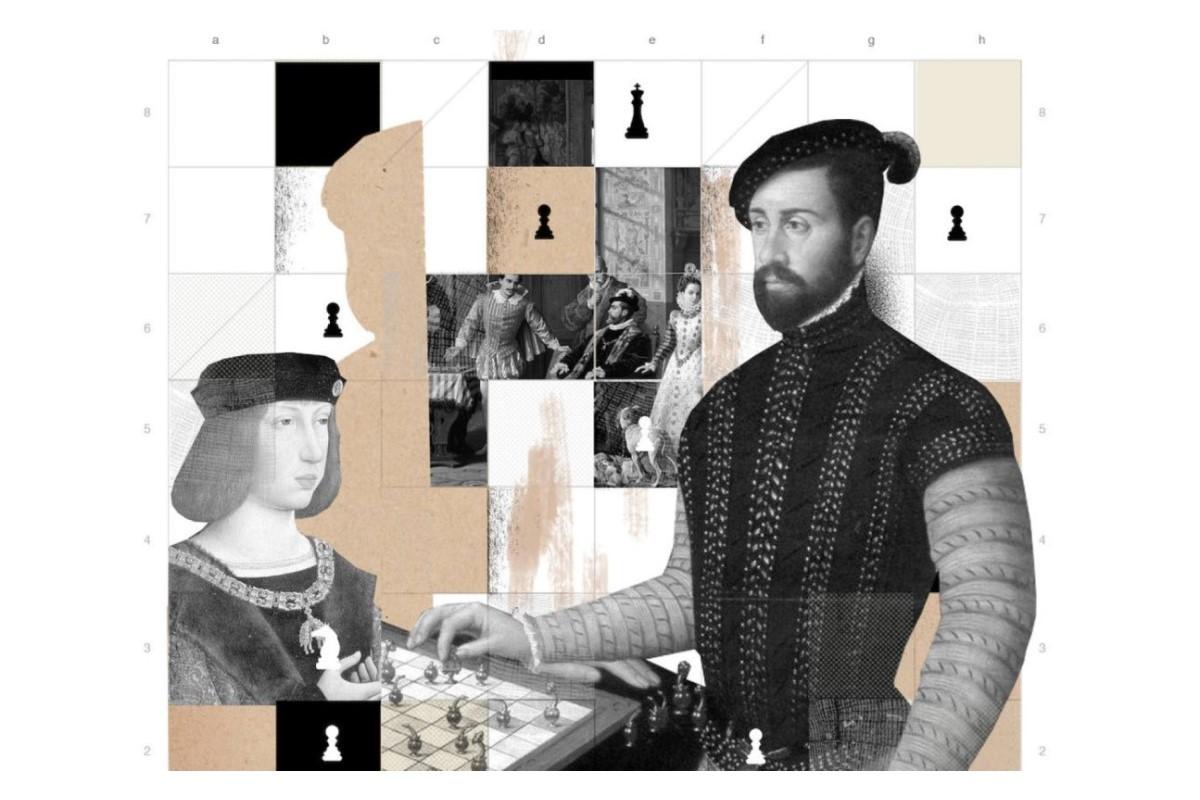
When we dive into the roots of competitive chess, one name stands above the rest from the Renaissance era: Ruy López de Segura. Born around 1540 in Zafra, Extremadura, specifically on Tetuán Street, this remarkable figure blended a life of faith with an obsession for the 64 squares. While some historians refer to him as López de Sicura and others as Segura, this variation is mostly due to the diverse cultural influences of Celts, Romans, and Moors that shaped the naming conventions of his homeland.
It is a bit of a wild ride to think that while he eventually achieved the prestigious position of Bishop, his true immortality comes from a game he didn’t even invent. Although the «Spanish Opening» bears his name, Ruy López was much more than a namesake; he was a meticulous analyst and a dominant force in an age where the rules of the game were still evolving from their medieval origins into the modern form we recognize today.
The Path to Becoming the First World Champion
Back in 1575, King Philip II—who was a huge fan of the game—summoned Ruy López to the royal court in Madrid. The goal was to face off against the top Italian masters of the era, who were widely considered the gold standard of chess at the time. In a stunning display of skill, the Spanish cleric emerged victorious, leading many to crown him as the first unofficial world champion. He didn’t stop there, as he later traveled to Rome and once again proved his superiority against the finest players of the period.
During these clashes, López showcased a level of psychological warfare that would seem familiar to modern pros. In his writings, he suggested that if a match took place during the day, the opponent should face the sun so the glare would distract them. At night, he advised placing the light source to the right of the rival, ensuring the shadow of their own hand would obstruct their view. It goes to show that in the 16th century, just like in war, victory was the only thing that mattered.
A Revolutionary Theoretical Mind
In 1561, he published his magnum opus, Libro de la Invención Liberal y Arte del Juego del Ajedrez. This wasn’t just a hobbyist’s guide; it was one of the most influential treatises in history, focusing on motivating moves and analyzing openings with a structured approach. This work helped transition chess from a slow, courtly pastime into a rigorous intellectual discipline.
Interestingly, during his high-stakes match against the Italian champion Leonardo il Puttino in 1575, López didn’t actually use the opening that now carries his name. Instead, he shocked the court by deploying what is believed to be the first King’s Gambit in a major competition. The game ended in a swift victory after a blunder by the Italian master, proving that even a tiny mistake on the board can lead to an absolute disaster.
The Evolution of the Modern Game
To appreciate López’s impact, we have to look at what came before him. For centuries, chess was a slower affair where the bishop only jumped two squares and the queen—or Queen’s Chess—was quite limited. The real revolution happened around 1475 with the ‘Scachs d’amor’ poem in Valencia, which introduced the powerful movements of the modern queen. By the time Ruy López entered the scene, the game was shifting toward the ‘Queen’s Chess’, and he was perfectly positioned to master this new, faster dynamic.
- The Spanish Opening: Defined by 1.e4 e5 2.Nf3 Nc6 3.Bb5, it remains a top-tier weapon in elite chess today.
- Strategic Depth: The opening is prized for its focus on center control and piece coordination.
- Historical Precedents: Early works by Lucena and Vicent laid the groundwork that López later refined.
Even today, the Spanish Opening is not viewed as a dusty relic of the 1500s. It is a living, breathing system used by grandmasters to create deep tension and strategic complexity. The fact that a system analyzed by a Spanish bishop centuries ago is still highly respected in the modern era speaks volumes about the enduring brilliance of Ruy López de Segura.
From his birthplace in Zafra, where a commemorative plaque still honors him, to the royal courts of Madrid, Ruy López redefined the game. He combined technical precision with a fierce competitive spirit, leaving behind a legacy that includes the world’s most famous opening and the title of the first great champion of the modern age.