- Ruy López de Segura is recognized as one of the most influential early chess theorists and a pioneer of the professional game.
- He authored the seminal work 'Libro de la invención liberal y arte del juego del ajedrez' in 1561.
- The Spanish Opening, known globally as the Ruy López, remains a cornerstone of elite competitive chess.
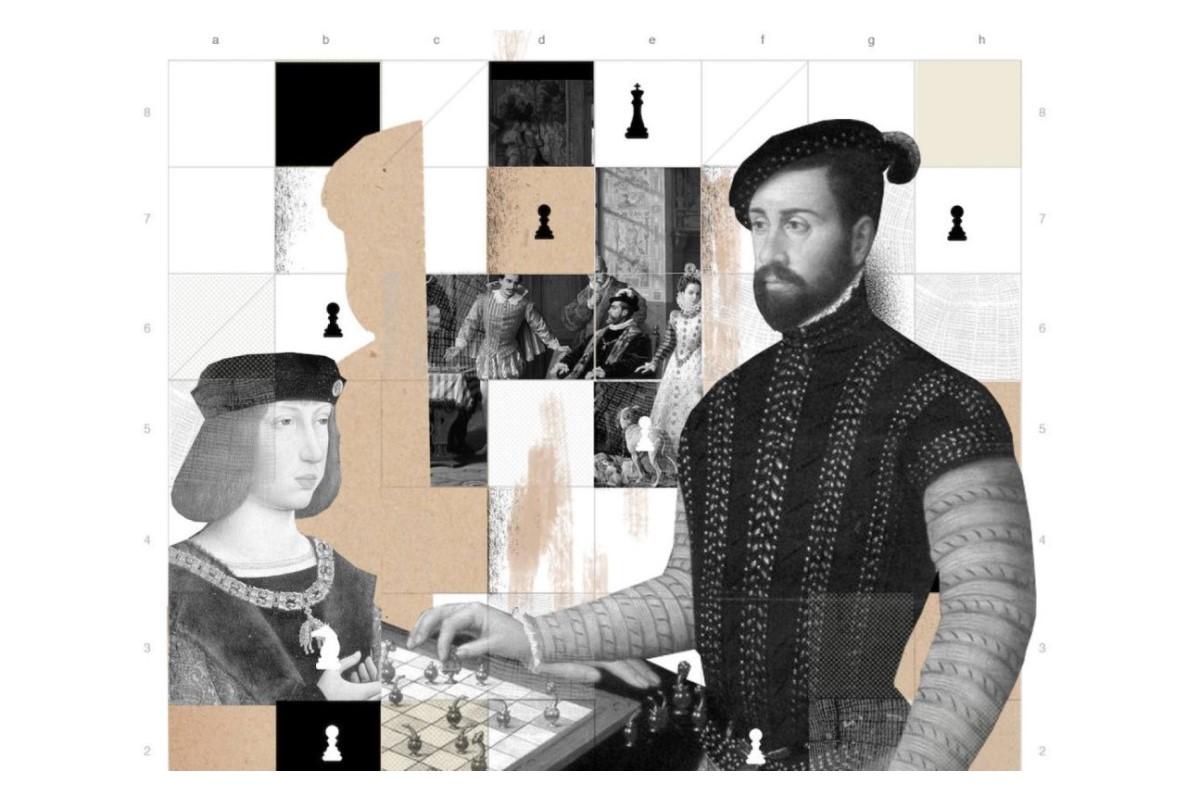
When we dive into the origins of competitive chess, one name stands out as a true pioneer:
It’s pretty wild to think about the world he lived in. Back then, chess was undergoing a massive transformation. Before the late 15th century, the game was a slow-paced affair where the bishop only jumped two squares and the queen—or rather, the alferza—could barely move. Everything shifted with the «axedres de la dama» around 1475, and by the time Ruy López arrived, the modern rules of the game were just starting to solidify, paving the way for a Renaissance of strategic depth.

The Life and Influence of a Chess Legend
Ruy López was more than just a hobbyist; he was an eminent treatise writer. His most famous contribution, the 1561 book titled Libro de la invención liberal y arte del juego del ajedrez, was a game-changer. Instead of just listing moves, he tried to motivate the plays and study various openings in chess with a rigorous, analytical approach. He even had some quirky tips, like suggesting that players should sit with the sun facing their opponent to distract them with the glare, showing that he viewed chess as a battle where every psychological edge counted.
His prestige reached the highest levels of power, catching the eye of King Philip II. The Spanish monarch, a huge chess fan, invited López to court to face off against the top Italian masters of the era. In 1575, Ruy López stunned the court by winning a major international tournament. Interestingly, he didn’t use the opening that now bears his name in that specific clash against Leonardo il Puttino; instead, he unleashed what is considered the first King’s Gambit in a high-level competition, leading to a swift and decisive victory.
Deep Dive into the Spanish Opening
The opening known as the Ruy López, or the Spanish Opening, is defined by the moves 1.e4 e5 2.Nf3 Nc6 3.Bb5. The core idea is simple but deadly: White puts immediate pressure on the knight at c6, which is the main defender of the e5 pawn. This creates a long-term struggle for control over the center, specifically the d4 and e5 squares. Because it’s so hard for Black to gain a clear advantage, some players jokingly call it the «Spanish torture.»
- The Main Line: Here, Black plays 3…a6 to kick the bishop, and the game evolves into a complex fight for central space.
- The Closed Variation: Black develops the bishop to e7, maintaining a solid structure within the pawn chain.
- The Berlin Defense: Known as the «Berlin Wall,» this is an incredibly solid response that often leads to early queen trades and a drawish but safe position for Black.
- The Exchange Variation: White captures the knight on c6, doubling Black’s pawns and aiming for a favorable endgame.
- The Open Variation: A more aggressive approach where Black captures on e4 to gain active piece play.
- The Schliemann-Jaenisch Gambit: A high-risk, high-reward line where Black plays 3…f5 to immediately challenge the center.
- The Marshall Attack: A brilliant sacrificial line where Black gives up a pawn to launch a devastating attack on the white king.
For those looking to fight against this opening, the Berlin Defense is the gold standard for stability, while the Archangel Variation is a go-to for tactical players who want to use the bishop pair to create chaos and effective counterplay in chess.
A Lasting Legacy in Modern Chess
Although Ruy López analyzed these patterns in the 1500s, the opening didn’t become a staple of elite play until the late 19th century. Since then, it has never gone out of style. From the legendary battles of Lasker and Capablanca to the modern clashes between Kasparov and Karpov, the Ruy López continues to be a primary weapon for grandmasters. It’s a testament to his genius that a system he documented centuries ago is still a fundamental part of the repertoire of every top-tier player today.
From the quiet streets of Zafra to the royal courts of Madrid, Ruy López de Segura transitioned chess from a courtly pastime into a studied science. His combination of tactical bravery—like his use of the King’s Gambit—and theoretical rigor gave birth to the professional spirit of the game, ensuring that his name remains etched in the history of the 64 squares as the forefather of modern chess theory.