- Recognized as the first unofficial world champion and professional player, Ruy López revolutionized chess theory in the 16th century.
- His seminal work, 'Libro de la invención liberal arte del juego del Axedrez', remained the most influential chess manual for two centuries.
- The 'Spanish Opening' (Ruy López) is one of the most analyzed and enduring strategies in the history of the game.
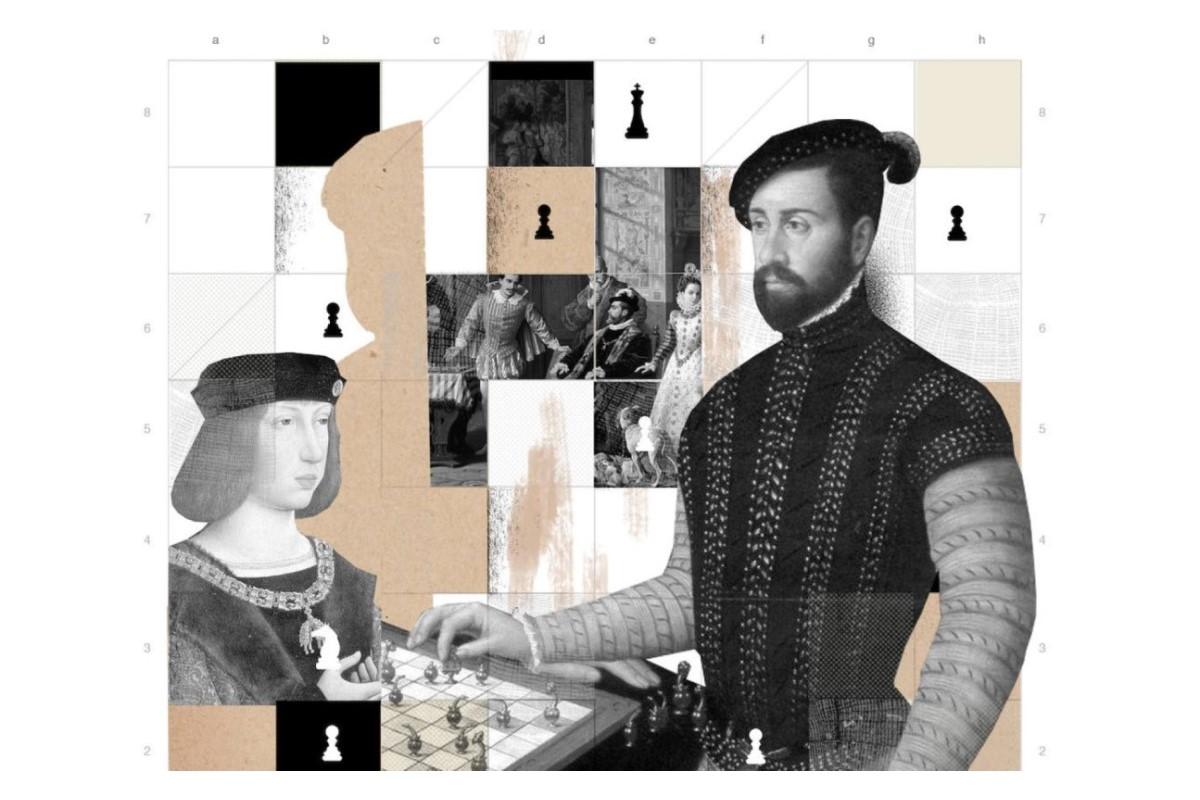
When we dive into the roots of modern chess, one name stands out as a true pioneer: Ruy López de Segura. Born around 1540 in Zafra, Extremadura, this Spanish cleric wasn’t just a hobbyist; he is widely regarded as the very first professional chess player in history, blending deep intellectual rigor with a competitive spirit that dominated the 16th century.
While many today only know his name through the famous opening that bears his title, his story is far more complex. From his role as a presbyter of the Order of Saint Benedict to his legendary encounters in the court of King Philip II, Ruy López represents the transition of chess from a slow, courtly pastime to a disciplined science of strategy and calculation.
The Life and Mysteries of the Zafra Master
For centuries, much of Ruy López’s life remained shrouded in mystery, with historians often relying on legends rather than hard evidence. Recent exhaustive research by Daniel and Francisco de Asís Gragera has helped clear the air, even uncovering the exact location of his family home in Zafra, correcting a plaque that had been misplaced since 1975. This meticulous work involved translating old Spanish and consulting archives in languages like Latin and Italian to separate historical truth from folklore.
There are plenty of myths floating around, such as the idea that he was the bishop or confessor to Philip II. While he was a brilliant grammarian and polymath, the records show he never held those specific high ecclesiastical offices. Some historians have even tried to claim he was born in Segura de León, but documentation strongly suggests he was originally from Zafra, though his ancestors likely hailed from Segura.
His professional journey was not without friction. Ruy López was known to be quite polemical and critical of other scholars of his day. This prickly personality might explain why he eventually left Spain for Peru, seeking a fresh start in the New World with his brothers Alonso and Pedro, escaping the enemies he had made through his blunt intellectual honesty.
The First Unofficial World Champion
In 1575, King Philip II—a massive fan of the game—invited Ruy López to Madrid to face off against the best Italian masters of the era. This tournament is often cited as the moment the first unofficial world champion emerged. Ruy López didn’t just win; he dominated, including a famous victory over . While some Italian sources later tried to claim the victory for their own, historical annotations prove that the Spaniard was .
To put his skill in modern terms, AI analysis of his games suggests he would have played at a , potentially boasting an ELO rating around . He was essentially playing a different game than his contemporaries, treating the board with a level of theoretical depth that wouldn’t be seen again for centuries.
A Revolution in Theory: The Great Book
Ruy López’s biggest contribution wasn’t just winning games, but writing about them. In 1561, he published the . This wasn’t just a manual; it was a comprehensive study of rules, opening theories, and endgame strategies. It remained the gold standard of chess literature for two hundred years, only being surpassed by the works of Philidor.
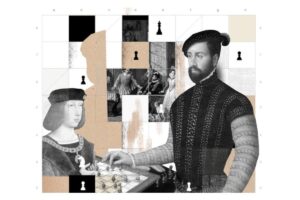
His approach was remarkably holistic. He didn’t just focus on the moves, but on . For instance, he suggested that if you played during the day, you should position your opponent so the , or if playing at night, place the lamp so their own hand would cast a shadow over the board. He believed that in chess, as in war, .
He also dealt with a version of the game that is slightly different from today’s. He advocated for the two-move castling process and utilized the —a rule that allowed the King to move like a knight on its first move to escape mate. Such rules would completely flip our modern understanding of the game, making it .
The Legacy of the Spanish Opening
The opening known as the Ruy López or Spanish Opening (1.e4 e5 2.Nf3 Nc6 3.Bb5) is one of the most prestigious in the game. While Ruy López didn’t necessarily «invent» it, he was the first to analyze it deeply. Interestingly, in Spain, it is called the , while the rest of the world refers to it as the Ruy López. Some suggest this distinction stems from a historical desire to avoid associating the brand with Spain during certain geopolitical eras.
- The Main Line: Focuses on a long-term struggle for the center, often starting with 3…a6.
- The Berlin Defense: A rock-solid response that became famous when Vladimir Kramnik used it to neutralize Garry Kasparov.
- The Exchange Variation: White captures the knight on c6 to create doubled pawns for Black, aiming for a favorable endgame.
- The Marshall Attack: A daring gambit where Black sacrifices a pawn for a devastating attack against the white king.
This opening is often called the because of the relentless, long-term pressure White can exert. It requires a massive amount of theoretical knowledge, yet it remains a favorite for elite players due to its strategic richness and flexibility.
From the dusty archives of Zafra to the high-stakes tournaments of the modern era, the influence of the is undeniable. He transformed a game of leisure into a professional pursuit, leaving behind a that continues to challenge the greatest minds in chess today.