- Ruy López de Segura is widely regarded as the first unofficial world champion of chess due to his dominance in the 16th century.
- He authored the seminal work 'Libro de la invención liberal y arte del juego del ajedrez' in 1561, revolutionizing chess theory.
- The Spanish Opening, known globally as the Ruy López, remains one of the most prestigious and analyzed openings in modern competitive play.
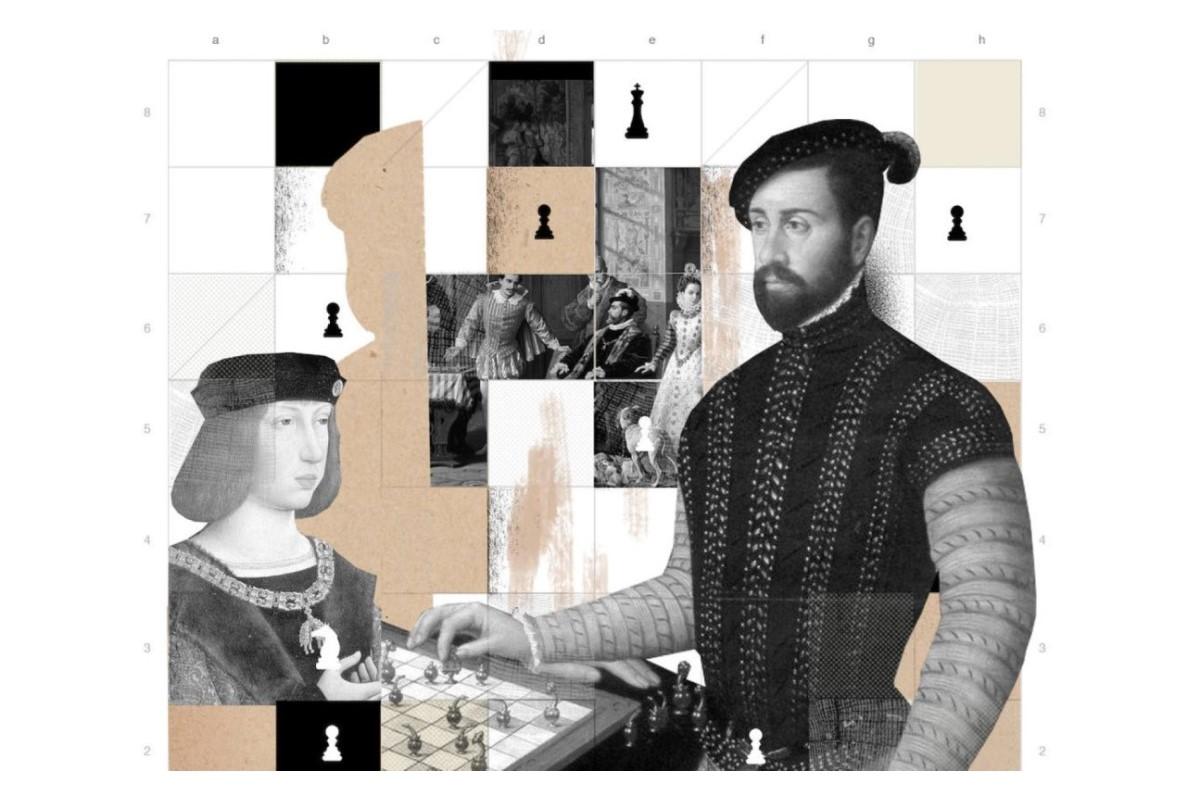
When we dive into the roots of competitive chess, one name stands out above the rest:
. Born around 1540 in the town of Zafra, Extremadura, this remarkable figure emerged during a time when the game was undergoing a massive transformation, evolving from a slow, medieval pastime into the dynamic struggle we recognize today.
While some folks might get tripped up by his name—calling him Ruy López de Sicura or Segura—it’s essentially the same person. This naming quirk is just a reflection of the diverse cultural layers of his homeland, where Celtic, Iberian, Muslim, and Christian influences blended over centuries. Beyond his spiritual duties as a Bishop, Ruy López possessed a strategic mind that would change the game forever.
The Rise of a Legendary Strategist
López wasn’t just a casual player; he was a pioneer. He is often hailed as the first unofficial world champion, a title earned through sheer dominance long before formal championships like the one in 1886 existed. His influence was cemented in 1561 when he penned the Libro de la Invención Liberal y Arte del Juego del Ajedrez, a groundbreaking treatise that shifted chess from intuition to rigorous analysis.
In this work, he didn’t just talk about moves; he looked at the psychological and environmental aspects of the game. For instance, he cheekily suggested that if you’re playing during the day, you should make your opponent face the sun so the glare distracts them. At night, he recommended keeping the lamp to the opponent’s right so their own hand would cast a shadow over the board. He basically believed that in chess, just like in war, every single advantage counts.
His fame reached the heights of power when King Philip II, a massive chess enthusiast, invited him to court in 1575. There, Ruy López faced off against the top Italian masters of the era. By winning this international showdown, he solidified his status as the premier player of his time. He didn’t stop there, as he later triumphed again in Rome against the most elite competition the 16th century had to offer.
Innovation on the Board: The Gambits and Openings
Interestingly, while the world knows the «Spanish Opening» by his name, he didn’t actually invent it. However, he was the first to deeply analyze and document it. But if you want to see his true creative genius, look at the 1575 match against Leonardo il Puttino. Instead of the standard Spanish line, Ruy López shocked the court by deploying the first recorded King’s Gambit in such a high-level competition.
This specific game ended quite abruptly. After a series of aggressive moves including 6.Bxf7+, the Italian champion made a critical error with 5…dxe5 instead of the more solid 5…d5, leading to a quick collapse. It serves as a timeless reminder that even a tiny slip-up can lead to a total disaster when facing a master.
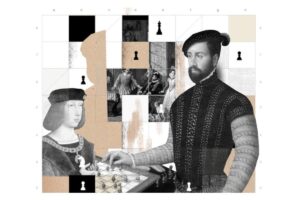
Deep Dive into the Ruy López Opening
The opening that bears his name, starting with 1.e4 e5 2.Nf3 Nc6 3.Bb5, is a staple for Grandmasters. The core idea is to put immediate pressure on the knight at c6, which indirectly threatens the e5 pawn and fights for control over the center. Because it’s so hard for Black to find a clear advantage, some players jokingly call it the «Spanish Torture,» a key part of the apertura española Ruy López.
- Main Line: Black plays 3…a6 to kick the bishop, leading to a long, strategic battle for the center.
- Closed Variation: Black develops the bishop to e7, keeping a solid structure and preparing for a slower struggle.
- Berlin Defense: Often called the «Berlin Wall,» this is a rock-solid approach where Black often forces an early queen trade to neutralize White’s attack.
- Exchange Variation: White captures the knight on c6 to create doubled pawns for Black, aiming for a superior endgame.
For those who like to keep things spicy, the Schliemann-Jaenisch Gambit (3…f5) is a hyper-aggressive response, while the Marshall Attack involves a pawn sacrifice to launch a devastating assault on the white king. Even today, the Ruy López is a primary weapon for elites, as seen in legendary clashes between Karpov and Kasparov, highlighting the evolution of aperturas en ajedrez.
The Context of the Chess Revolution
To truly appreciate Ruy López, we have to realize he arrived just as the «Modern Chess» revolution was taking hold. Before the late 15th century, the game was painfully slow—the bishop only jumped two squares, and the queen didn’t even exist; instead, there was a piece called the alferza that moved only one square diagonally.
The shift happened around 1475 with the poem ‘Scachs d’amor’ and later treatises by Lucena and others, which introduced the powerful movements of the Queen. Ruy López entered the scene exactly when these new rules were crystallizing, allowing him to apply Renaissance logic to a game that was finally fast enough to support deep tactical calculations.
The enduring impact of the cleric from Zafra is visible not just in the books but in the very way we approach the board today. From his psychological warfare to his rigorous theoretical studies and the timeless viability of the Spanish Opening, his influence spans centuries. He transformed chess from a courtly leisure activity into a professional pursuit of strategic mastery, leaving a footprint that every modern player still follows when they move their bishop to b5.