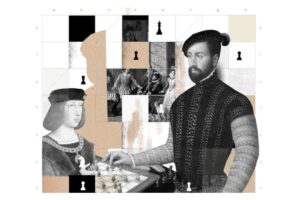
- Ruy López de Segura is widely recognized as the first unofficial world champion of chess and a pioneering theorist.
- He authored the influential book 'Libro de la invención liberal y arte del juego del ajedrez' in 1561.
- The Spanish Opening, known as the Ruy López, remains one of the most studied and utilized openings in elite chess today.
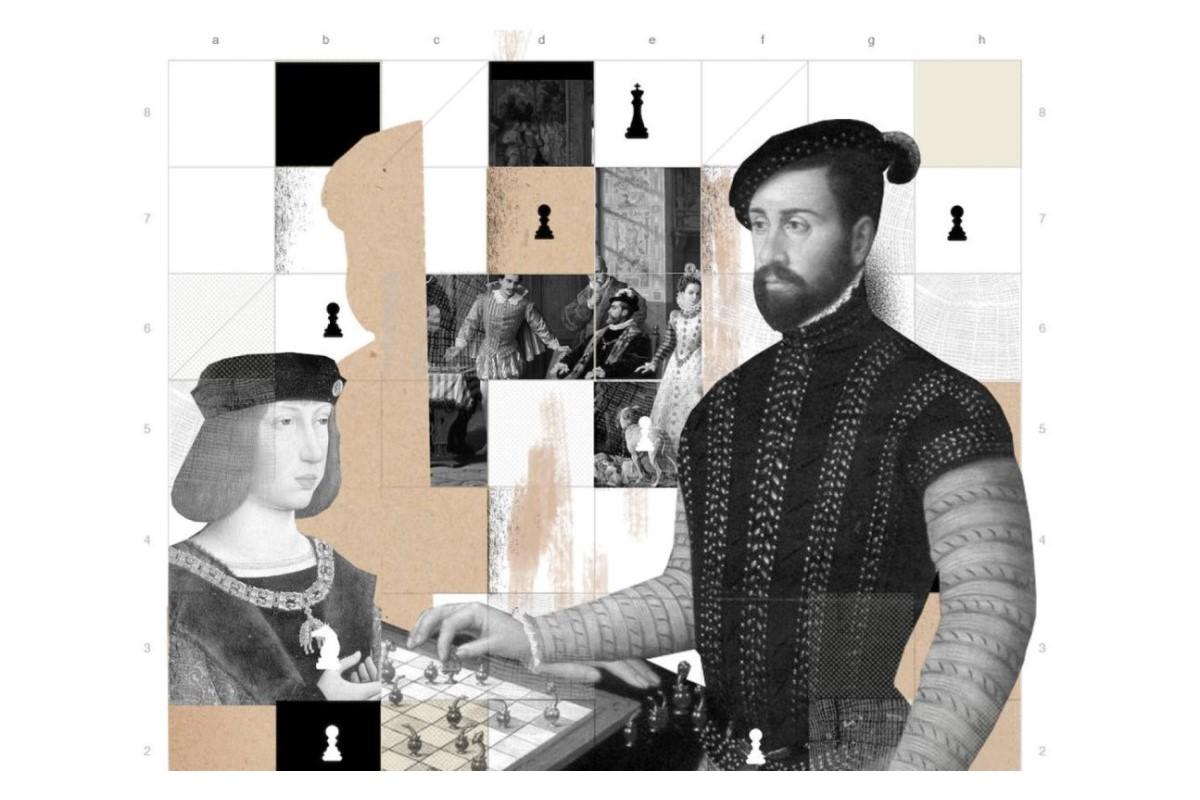
When we dive into the roots of modern board games, one name stands out as a true titan of the 16th century.
His story is a mix of historical fact and legend, centered around a man who balanced his spiritual duties as a
The Era of Chess Revolution
To get a feel for where Ruy López fits in, we have to look at how the game worked back then. Before the late 15th century, chess was a snail’s pace. The bishop only jumped two squares, and there was no powerful Queen—only a piece called the alferza that moved one square diagonally. It was so slow that it was often used as a
Everything changed around 1475 with the ‘Scachs d’amor’ poems by Valencian authors, which introduced the modern movement of the Queen. This spark led to the first modern treatises, such as the works by Francesc Vicent and Lucena. Ruy López entered the scene just as this Renaissance revolution was taking hold, allowing him to analyze the game with a fresh, systematic perspective.
The Life and Ambitions of a Master
Ruy López was a man of high standing, partly due to his noble lineage, which also led his brother Alonso to establish a hospital in their hometown. However, his true legacy was forged in ink and strategy. In 1561, he published the
He wasn’t just about the board; he was about the mental game. In his writings, he cheekily suggested that if you play during the day, you should
Climbing to the Top: The Royal Tournaments
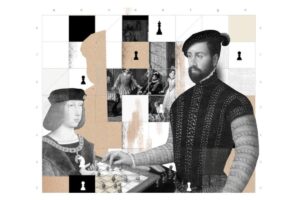
His fame reached the ears of King Felipe II, a massive chess enthusiast, who invited López to court to face two of the most feared Italian masters of the era. In 1575, during this prestigious international event, Ruy López emerged as the victor, cementing his status as the
One of the most legendary moments occurred during the Madrid matches against Leonardo il Puttino. Instead of using the opening that now bears his name, he shocked the court by deploying the first King’s Gambit in history. This aggressive approach led to a quick victory, proving that a single slip-up, like a misplaced pawn move, can lead to total disaster in high-level play.
Decoding the Spanish Opening (Ruy López)
While he didn’t actually invent the opening 1.e4 e5 2.Nf3 Nc6 3.Bb5, his analysis of it was so profound that it became synonymous with him. The core idea is to put pressure on the knight at c6, indirectly
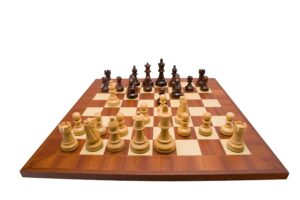
Depending on how the black pieces respond, the game can branch into several famous paths:
- Main Line: Black plays 3…a6 and 4.Ba4, leading to a complex struggle for the center.
- Closed Variation: Black develops the bishop to e7, creating a sturdy, defensive structure.
- Berlin Defense: Known as the «Berlin Wall,» this is incredibly solid and often leads to early queen trades, popularized by Vladimir Kramnik to defeat Garry Kasparov.
- Exchange Variation: White captures the knight on c6 immediately to double Black’s pawns.
- Open Variation: Black captures the e4 pawn to gain active piece play.
- Schliemann-Jaenisch Gambit: A fierce counter-attack starting with 3…f5.
- Marshall Attack: A brilliant sacrifice of a pawn by Black to launch a devastating attack against the white king.
For those looking to tackle this opening, the choice usually comes down to a solid approach like the Berlin Defense or a more tactical fight like the Archangel Variation, where black uses a pair of bishops to create chaos.
From the courts of 16th-century Spain to the digital boards of today, the influence of Ruy López de Segura remains unmatched. His transition from a scholar-cleric to a dominant competitor laid the groundwork for modern opening theory and continues to challenge players of all levels who strive to master the intricate depths of the Spanish Opening.