- Recognized as the first unofficial world champion and the first professional chess player in history.
- Author of the influential 'Libro de la invención liberal y arte del juego del axedrez', which shaped chess theory for two centuries.
- A multifaceted 16th-century figure who combined his passion for the game with his role as a priest and scholar.
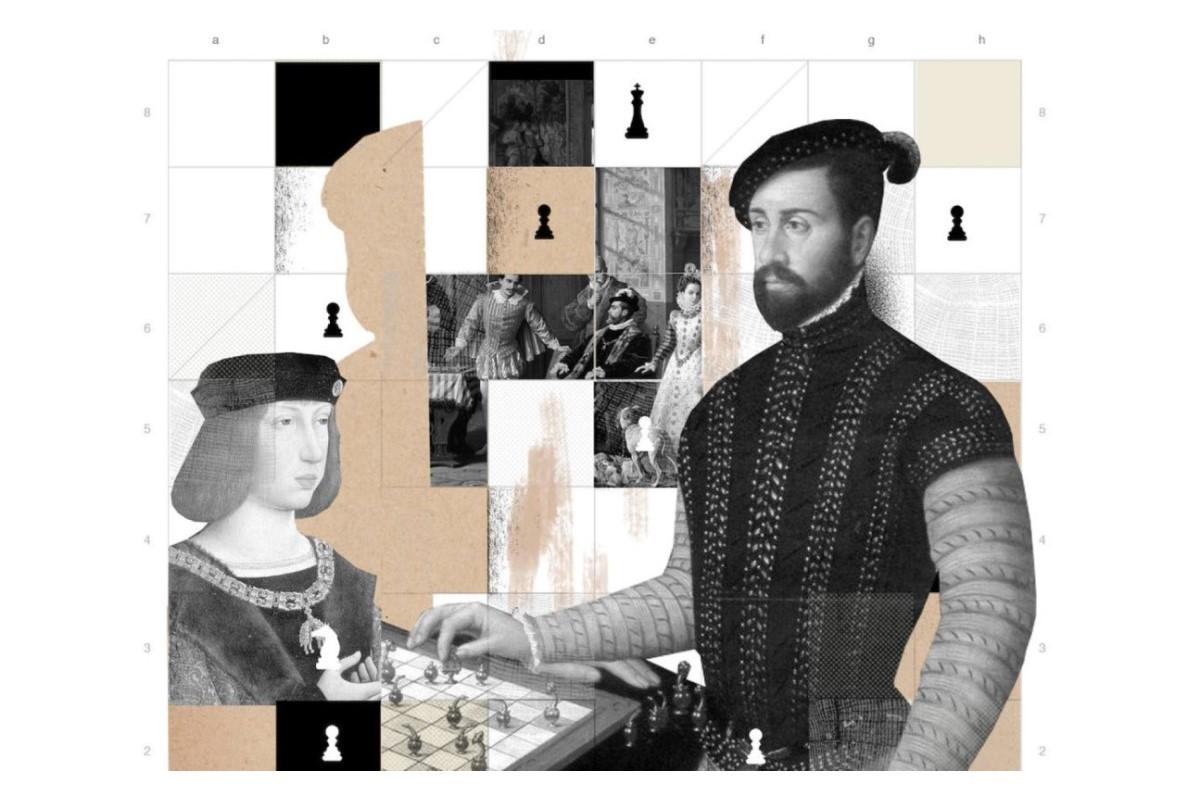
When most people hear the name Ruy López, they immediately think of the famous opening known as the Spanish Game. However, behind that sequence of moves lies the story of a man who was far more than just a namesake for a strategy. Living in the 16th century, Ruy López de Segura was a trailblazer in the world of chess, effectively becoming the first person to treat the game with a professional level of rigor and study.
Born around 1540 in Zafra, Extremadura, this remarkable individual was not just a player but a learned cleric, grammarian, and scholar. He operated in an era where the game was undergoing a massive transformation, moving away from its slow medieval roots toward the dynamic modern version we recognize today, blending his intellectual prowess with a competitive spirit that dominated his contemporaries.
The Life and Legacy of the Zafra Master
For a long time, much of the details regarding his life remained shrouded in mystery or clouded by legends. Recent exhaustive research by Daniel and Francisco de Asís Gragera has helped clear the air, revealing that Ruy López was a Benedictine priest and a bachelor. One of the most significant breakthroughs in recent years was locating the exact site of his family home in Zafra, the heart of Spanish chess history, correcting a historical error that had persisted since 1975.
Despite some myths suggesting he was a bishop or a close confessor to Philip II, the records show he was a presbyter cleric. He was a man of strong character and often quite polemic, which likely led him to seek a new start in the New World, eventually traveling to Peru with his brothers Alonso and Pedro to escape some of the friction he caused among the intellectuals of the peninsula.
Pioneering Chess Theory and the Great Book
Ruy López didn’t just play the game; he revolutionized how it was studied. In 1561, he published his masterpiece, Libro de la invención liberal arte del juego del Axedrez. This wasn’t just a manual; it was the most influential chess book for two hundred years, remaining the gold standard until Philidor arrived on the scene. It covered everything from basic rules to deep opening analysis.
Interestingly, his approach to winning wasn’t always about the board. He suggested some cheeky psychological tactics, such as positioning the board so that the sun would shine directly into the opponent’s eyes during the day, or placing the lamp to the right of the rival at night so their hand would cast a shadow. It shows that even a priest could have a bit of a competitive streak when it came to victory.
The First Unofficial World Champion
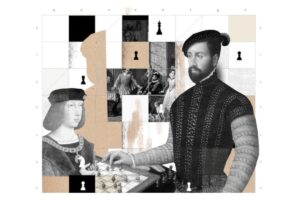
While formal world championships didn’t exist until the late 19th century, historians consider Ruy López the first unofficial world champion. His dominance was cemented during a famous tournament in Madrid, where King Philip II invited the best players to compete. Here, Ruy López faced off against the prestigious Italian masters, most notably Leonardo da Cutri, known as ‘Il Puttino’.
One of the most legendary encounters occurred in 1575. Instead of using the opening that now bears his name, he surprised the court by employing the first King’s Gambit in history. This aggressive approach led to a swift victory, proving that he was the top player of his era. Modern AI analysis of his games suggests he would have had a FIDE ELO rating around 2500, which is an incredible feat for the 16th century.
Debunking Myths and National Rivalries
The history of Ruy López has often been skewed by what some call a ‘Black Legend’ or simple national pride. For years, some Italian authors tried to downplay his achievements or claimed he copied his theories from Italian manuscripts, but research has proven these claims false. There was even a painting by Luigi Mussini that erroneously attributed a victory to the Italian player in their famous clash, though historical records like the Polerio manuscripts show no defeats for the Spaniard.
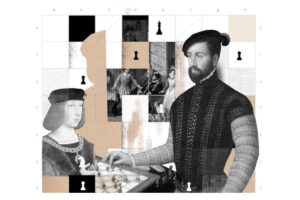
Another point of contention is the naming of the opening. In Spain, it is called the Apertura Española, while the rest of the world refers to it as the Ruy López. Some argue this was a way for other nations to avoid associating the success of the strategy with the global power of the Spanish Empire during the reign of Philip II.
A Game of Changing Rules
It is fascinating to see how the game differed back then. Ruy López lived through the transition to the ‘Queen’s Chess’, where the piece once known as the alferza became the powerful Queen we know now. He also advocated for the castling move to be done in two steps and frequently used the ‘King’s jump’, a rule where the King could move like a knight or bishop once at the start of the game to escape checkmate.
Ruy López de Segura remains a towering figure whose influence extends from the archives of Zafra to the digital boards of today. By combining unmatched tactical skill with the first serious attempts at documenting chess theory, he paved the way for every Grandmaster who followed, ensuring that his name would be spoken every time a player moves their bishop to b5.