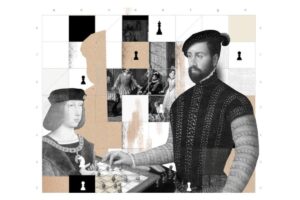
- Known as the first unofficial world champion and the father of chess theory due to his influential 1561 treatise.
- A multifaceted Spanish priest from Zafra whose expertise elevated the Spanish Game to global prominence.
- His legacy is preserved through modern research that clarifies his true origins and his dominance over Italian masters.
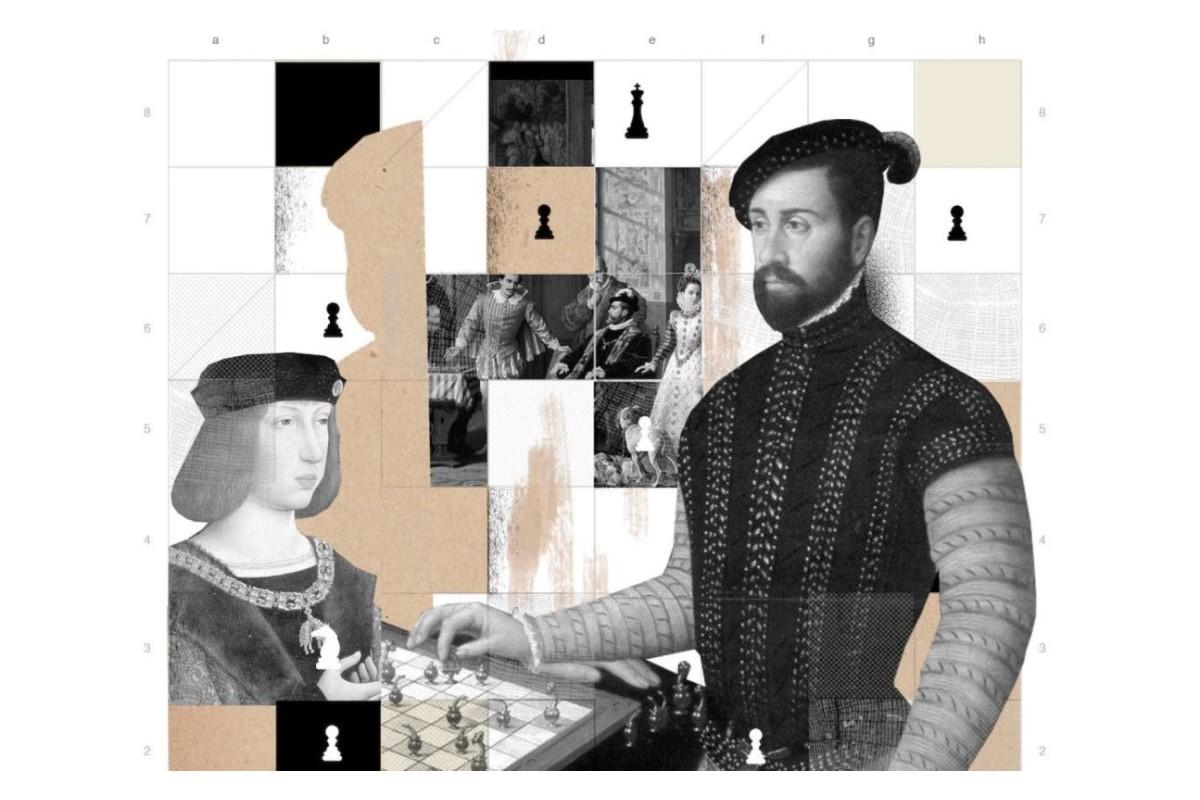
When we talk about the roots of competitive chess, one name stands above the rest from the Renaissance era: Ruy López de Segura. While most casual players only know him as the namesake of the famous Spanish Opening, he was far more than just a theoretical contribution. He was a pioneer of the professional game, a scholarly priest, and a man whose intellectual curiosity pushed the boundaries of how the 64 squares were understood in the 16th century.
Born around 1540 in the town of Zafra, located in Extremadura, Spain, López emerged during a pivotal transition in the game’s history. This was a time when the «modern» rules—including the powerful movements of the Queen and Bishop—had recently replaced the sluggish pace of medieval chess. In this fertile ground, López didn’t just play; he systematized the art of play, turning a courtly pastime into a rigorous discipline of study and strategy.
The Life and Mystery of the Zafrense Cleric
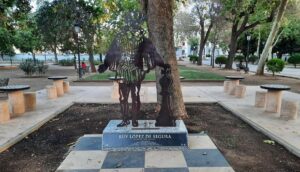
For centuries, the exact details of his life were shrouded in mystery or distorted by historical inaccuracies. Some claimed he was from Segura de León, but recent exhaustive research by Daniel and Francisco de Asís Gragera has confirmed his roots in Zafra. Through the analysis of 16th-century primary sources and historical archives, they even managed to locate his true family home, correcting a plaque that had been wrongly placed since 1975.
López was a man of many talents: a presbyter of the Order of Saint Benedict, a skilled grammarian, and a profound scholar. Although legends often portray him as the bishop and confessor to King Philip II, historical evidence suggests he was a cleric and a member of the royal court, utilizing his intellect to navigate the complex social waters of the Spanish Empire during its global peak.
Father of Chess Theory and the 1561 Masterpiece
The most significant contribution Ruy López left to the world was his book, Libro de la invención liberal arte del juego del Axedrez, published in 1561. This wasn’t just a collection of games; it was the first comprehensive manual that analyzed openings and overall strategy. For nearly two centuries, until the arrival of Philidor, this work remained the gold standard for chess literature and was translated into numerous languages, including French, Italian, and German.
Interestingly, López’s approach to the game was not always purely academic; he had a mischievous streak. In his writings, he suggested psychological tactics to unsettle opponents, such as positioning the board so that the sun would shine directly into the opponent’s eyes during the day, or placing the light source in a way that their own hand would cast a shadow over the board at night. It shows that even a priest knew that mental warfare is a key part of victory.
The Unofficial World Champion and the Italian Rivalry
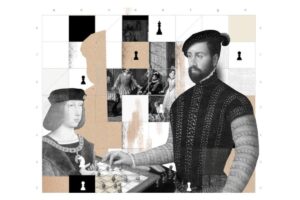
Ruy López is widely recognized as the first unofficial world champion. His dominance was cemented during a famous tournament in Madrid in 1575, organized by King Philip II, where he faced the top Italian masters of the time. One of his most legendary encounters was against Gio. Leonardo da Cutri, known as ‘Il Puttino’. Despite later Italian attempts to discredit him or claim he lost, records like the Polerio manuscripts show that López was virtually unbeatable.
In one particular historical game against ‘Il Puttino’, López showcased his versatility by employing the first King’s Gambit in a high-level competition. The game ended in a swift victory for the Spaniard, demonstrating a level of precision that was light-years ahead of his contemporaries. Modern AI analysis of his surviving games suggests that if he played today, he would have a Grandmaster level strength, potentially reaching an ELO rating around 2500.
Strange Rules and the Spanish Legacy
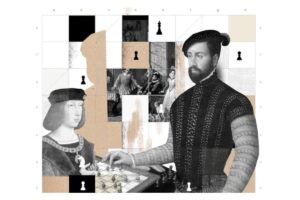
The chess of López’s time included some quirks that would seem bizarre to modern players. For instance, he advocated for the castling move to take two turns instead of one. Even more surprising was the «King’s leap,» a rule that allowed the King to jump or move like a knight or bishop during its first move to escape an inevitable mate. These experimental rules highlight the fluid nature of the game during the 16th century.
There is also a curious linguistic divide regarding his legacy. While in Spain the opening is called the Apertura Española, the rest of the world refers to it as the Ruy López. Some historians argue this was a way for rival nations to avoid glorifying the «Spanish brand» during the height of the Empire’s power, preferring to name the move after the individual rather than the country. Regardless, the global impact of his theory is undeniable, appearing in everything from academic studies to modern pop culture like The Queen’s Gambit.
From his humble beginnings in Zafra to his influence in the courts of Europe and his status as the first professional strategist, Ruy López de Segura transformed a game of leisure into a science. His blend of clerical scholarship and competitive brilliance created a blueprint for every world champion that followed, ensuring that his name remains etched in the history of the 64 squares as the man who first mastered the art of the game.