- He authored the seminal work "Libro de la Invención Liberal y Arte del Juego del Ajedrez" in 1561, introducing a structured analytical approach to the game.
- He is widely regarded as the first unofficial world champion after defeating the best Italian masters at the court of King Philip II.
- Beyond the famous Spanish Opening, he is credited with utilizing early aggressive tactics like the King's Gambit in professional play.
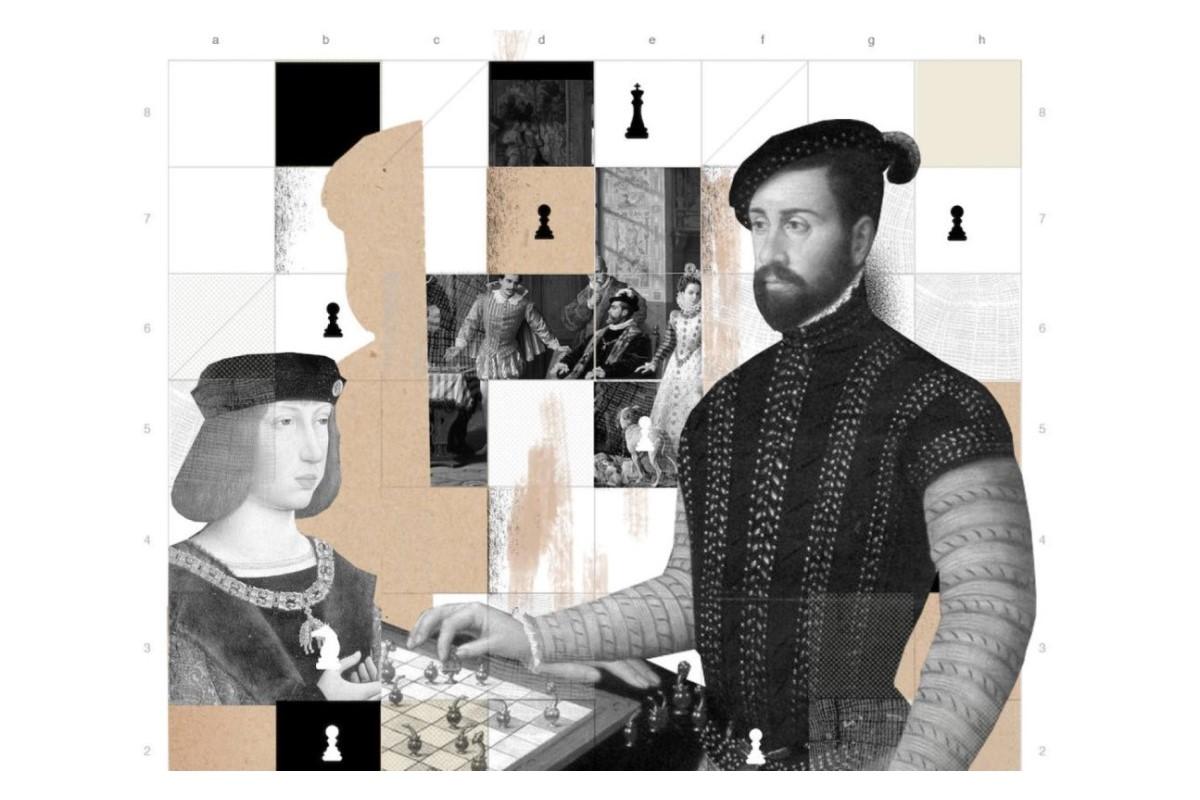
When we dive into the roots of competitive chess, one name consistently pops up: Ruy López de Segura. Born around 1540 in the town of Zafra, Extremadura, this fascinating figure wasn’t just a clergyman but a true pioneer who helped shape how the game is played today. Whether you call him López de Sicura or Segura, the variations in his name simply reflect the diverse cultural layers of the region where he was born, a land touched by Celts, Romans, and Moors.
Beyond his religious duties, which eventually led him to become a Bishop, López was a man of intellect and ambition. He lived during a pivotal transition in chess history, moving away from the slow-paced medieval version toward the modern «Queen’s Chess». This era of revolution saw the transformation of the piece we now know as the Queen, replacing the limited «alferza,» and giving the game the dynamic speed and tactical depth that defined the Renaissance period.
The Intellectual Legacy and Theoretical Works
López wasn’t just a player; he was one of the most influential theorists of his time. In 1561, he penned the «Libro de la Invención Liberal y Arte del Juego del Ajedrez», a seminal work that sought to move the game from mere intuition toward a structured, analytical approach. In this treatise, he explored opening theories and practical strategies, effectively treating the chessboard like a scientific laboratory.
Interestingly, some of his advice was a bit more «shrewd» than one might expect from a high-ranking priest. He suggested psychological warfare, such as positioning the board so the sun would shine directly into the opponent’s eyes during the day. For nighttime matches, he recommended placing the lighting to the right of the adversary so that their own hand would cast a shadow over the pieces, proving that for López, winning was as strategic as a military campaign.
The Road to the First World Championship
The climax of his playing career came when King Philip II, a devoted chess enthusiast, invited him to the royal court. There, López faced off against the top Italian masters of the era, who were considered the gold standard of the game at the time. This international showdown is often cited as the origin of the first unofficial world championship, with the Spanish cleric emerging as the triumphant victor.
His dominance didn’t stop in Madrid; just two years later, he traveled to Rome and once again outplayed the best players of the age. While modern official titles didn’t exist until Wilhelm Steinitz in 1886, the historical consensus views López as the first true global champion due to his overwhelming skill and theoretical contributions.
Tactical Brilliance and the Historic Game
While many recognize the «Spanish Game» (1.e4 e5 2.Nf3 Nc6 3.Bb5) associated with his name, it’s a common misconception that he invented it. However, during his famous matches against Leonardo il Puttino, the Italian champion, López showcased a different kind of bravery. He surprised the court by deploying the first recorded King’s Gambit in a high-level competition, proving his versatility beyond the standard openings.
A particularly legendary encounter in 1575 saw López dismantle Leonardo il Puttino in a swift and decisive fashion. After a series of aggressive moves, including a sacrificial bishop check on f7, the Italian master succumbed to a series of errors. The game ended abruptly after 12 moves, illustrating how a single tactical mistake can lead to an immediate collapse against a master of López’s caliber.
The legacy of Ruy López de Segura remains etched in the history of Zafra, where his childhood home—now a landmark—stands as a testament to his genius. From his early days in Extremadura to the hallowed halls of the Spanish court, he transformed chess from a courtly pastime into a rigorous intellectual discipline, leaving behind a blueprint for every competitive player who followed.