- Ruy López de Segura was a 16th-century Spanish priest and theorist who fundamentally transformed chess from a medieval pastime into a scientific discipline.
- He authored the influential 'Libro de la invención liberal y arte del juego del axedrez', where he popularized the opening that still bears his name.
- Widely regarded as the first unofficial world champion, he dominated the best players of his era in both Spain and Italy.
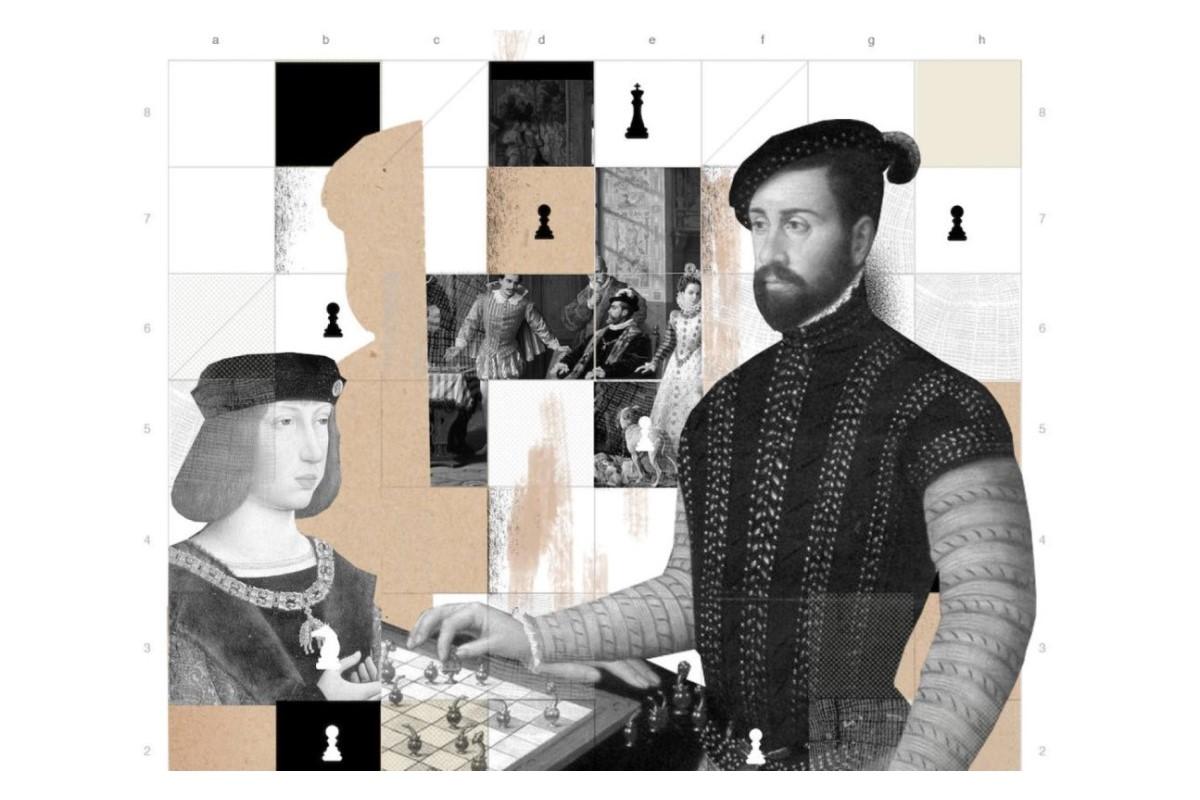
When you dive into the world of chess, you’ll quickly stumble upon the name Ruy López de Segura. Whether you are a casual player or a seasoned pro, his legacy is baked into the very fabric of the game, primarily through the famous Spanish Game opening. But beyond the moves on the board, there is a gripping story of a man who bridged the gap between the mystical medieval era and the strategic rigor of the Renaissance.
Born around 1530 in Zafra, a town in the Badajoz province of Spain, Ruy López wasn’t just some random enthusiast. He was a cleric and a scholar who managed to climb the social ladder to become a figure of influence within the royal court of King Philip II. His journey took him from the quiet streets of Extremadura to the heart of the Italian chess scene, where he essentially put the world on notice that Spain was the new powerhouse of the 64 squares.
The Evolution of the Game
To really get why Ruy López was such a big deal, we have to look at how weird chess used to be. Back in the 15th century, the game was a slow burn. The bishop only hopped two squares diagonally, and the queen didn’t even exist as we know it; instead, there was a piece called the alferza that barely moved. It was such a sluggish pace that the game was often used as a flirting tool for courtiers and lovers.
Everything changed around 1475 with the publication of ‘Scachs d’amor’ by three Valencian poets. This work introduced the modern movements of the queen, sparking a revolution. Shortly after, other foundational texts like Lucena’s ‘Repetición de amores y arte de ajedrez’ helped spread these new rules across Europe. Ruy López entered the scene just as this modern chess era was gaining traction, and he took these new rules and turned them into a science.
A Legendary Career and the Italian Conquest
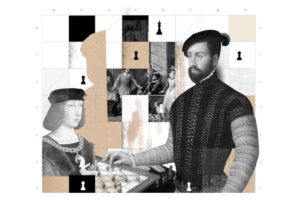
Ruy López was a bit of a child prodigy in his hometown of Zafra, earning a reputation for being unbeatable from a very young age. This talent eventually led him to Rome in 1560, where he faced off against the cream of the crop in Italy. He famously crushed the top players of the time, including the formidable Giovanni Leonardo da Cutri, better known as «Il Puttino».
While some historians argue about the specifics of an international tournament allegedly held at El Escorial in 1575, recent deep-dive research suggests that López was the true victor of those encounters. In fact, some modern analysts estimate that his skill level would be equivalent to a 2400 ELO rating today, which would comfortably earn him the title of Grandmaster in the current era.
The ‘Libro de la invención’ and Theoretical Legacy
López didn’t just play the game; he wrote the book on it. In 1561, he published ‘Libro de la invención liberal y arte del juego del axedrez’. This wasn’t just a collection of games but one of the first serious theoretical treatises in Europe. In it, he laid out the logic behind the sequence 1.e4 e5 2.Nf3 Nc6 3.Bb5, creating the opening that still defines high-level play today.
- Strategic Insight: He was the first to clearly explain the concept of openings.
- Critical Analysis: He used his work to point out errors in previous texts, such as those by Pedro Damiano.
- Psychological Warfare: Interestingly, he jokingly suggested setting up the board so the sun would shine in the opponent’s eyes, a cheeky tip not usually expected from a priest.
His book was so influential that it was translated into French, Italian, German, and Portuguese, and even served as a basis for the first Russian chess book in 1821. He essentially acted as the father of modern chess, transitioning the game from a casual art to a disciplined study.
The Final Chapters and Historical Mysteries
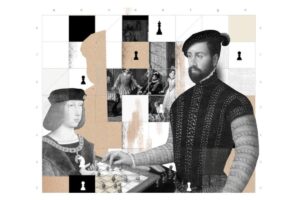
Despite his fame, much of Ruy López’s life remained shrouded in mystery for centuries. Legends claimed he was the confessor to King Philip II or that he had reached the rank of bishop, but these stories often lacked hard evidence. What we do know for sure is that on October 12, 1572, he set sail for Peru, likely to join his brothers. He never returned to Spain and is believed to have passed away in the Americas around 1590.
For a long time, he was unofficially called the first world champion. While official championships didn’t start until Wilhelm Steinitz in 1886, the title is given to López in a historical sense because he was unquestionably the best player in the world during his prime in the 16th century. His home in Zafra now stands as a monument to this legacy, featuring a plaque that honors the cleric who conquered the chessboard.
The story of Ruy López de Segura is a blend of intellectual brilliance and adventurous spirit. From his early days as a prodigy in Zafra to his theoretical triumphs in Rome and his final journey to Peru, he transformed a slow medieval pastime into the dynamic and scientific game we love today. By codifying the Spanish Opening and challenging the best minds of his time, he ensured that his name would be whispered by every player who moves their bishop to b5.