- He authored one of the first systematic chess manuals in Spanish, transforming the game into a rigorous intellectual discipline.
- Ruy López is widely regarded as the first unofficial world champion after his victories against Italian masters in the 16th century.
- His name is immortalized through the Spanish Opening, a strategic pillar still utilized by top-level grandmasters today.
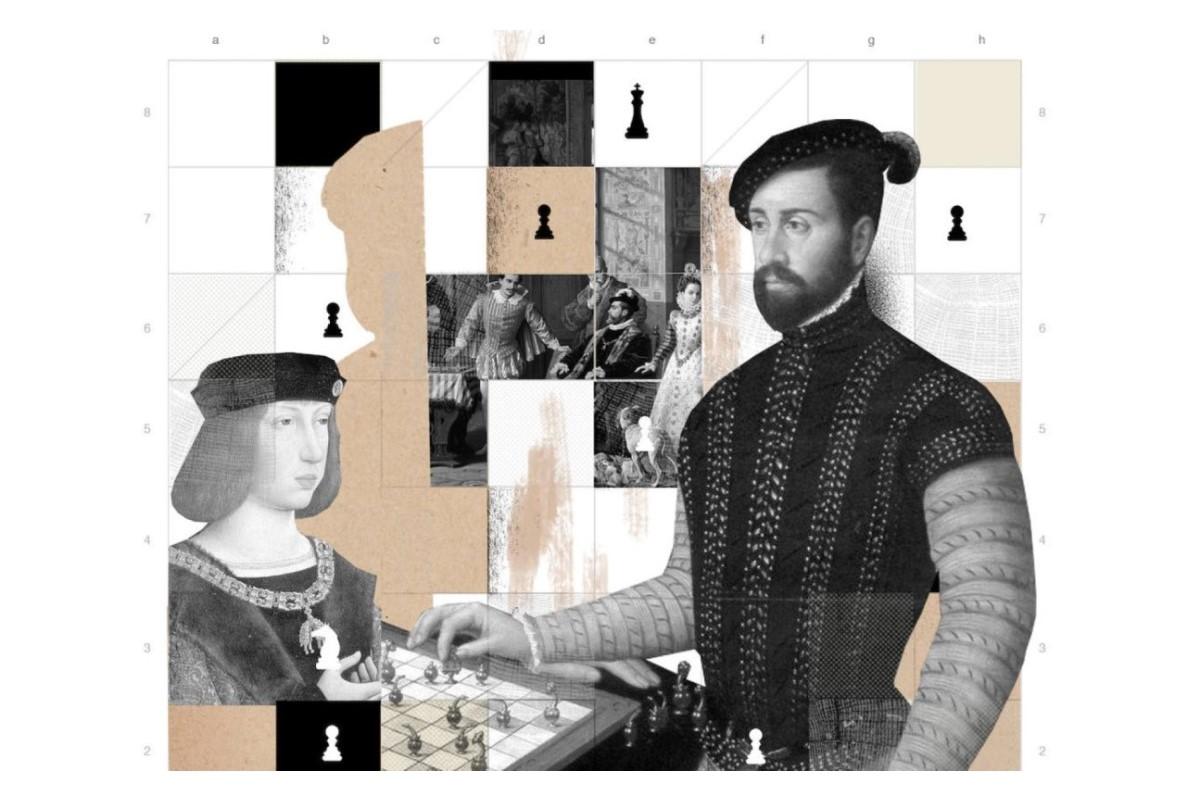
When we dive into the roots of modern chess, one name stands out as a true titan:
It is a bit of a trip to imagine the world he lived in. Back then, the game was undergoing a massive transition. Before the late 15th century, the queen was practically non-existent, replaced by a piece called the alferza that moved very slowly. Everything changed with the «axedres de la dama» and the publication of early treatises like those by Lucena. Ruy López arrived right as this renaissance of chess was hitting its stride, turning the game into the intellectual battleground we recognize today.
The Rise of a Master and the Unofficial World Title
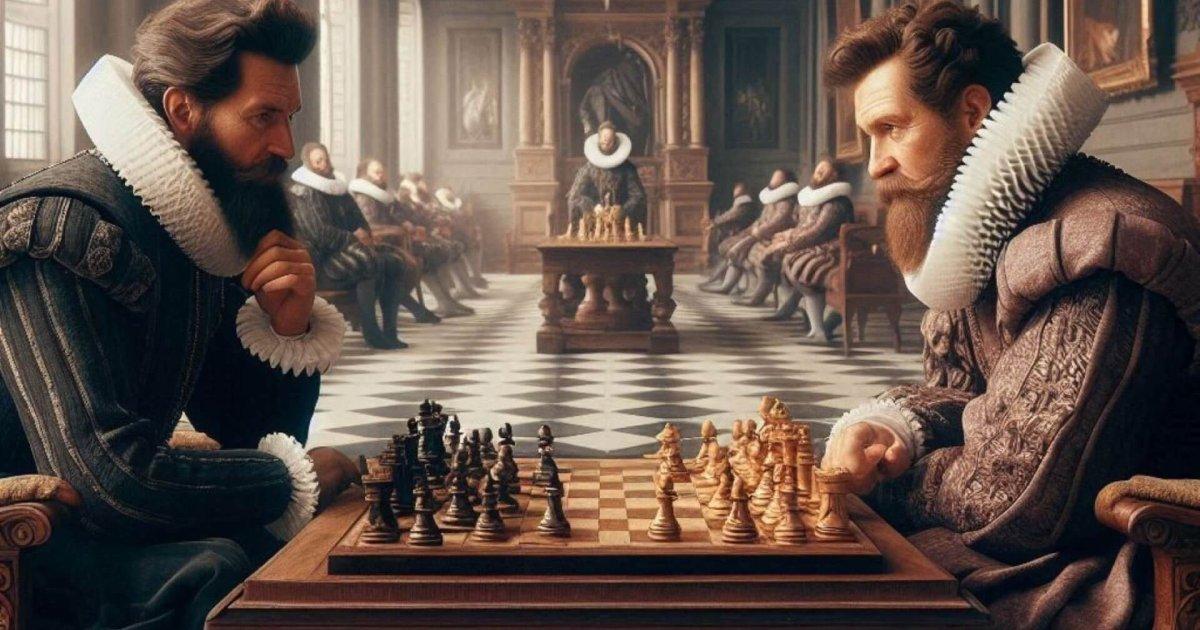
Ruy López didn’t just play for fun; he studied the game with an intensity that was way ahead of his time. Though he was largely self-taught, he polished his skills against the best players of the era. His reputation grew so much that he eventually caught the eye of King Philip II, a huge chess enthusiast who invited him to the court to face off against the most prestigious Italian masters of the age.
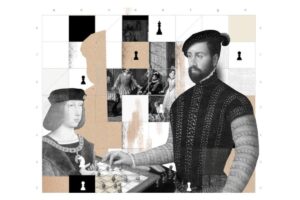
During these legendary encounters in Madrid in 1575, López displayed a level of mastery that left the court speechless. By defeating the Italian champion Leonardo il Puttino, he earned the unofficial title of the
He didn’t stop there. A couple of years later, he traveled to Rome and once again triumphed over the elite players of his time. One of his most daring moves was introducing the first King’s Gambit in a high-stakes competition, proving that he wasn’t just about safety, but also about aggressive tactical brilliance.
The Art of the Game: Literary Contributions
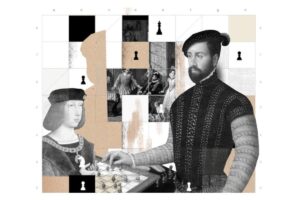
Beyond the board, Ruy López wanted to leave a permanent mark. In 1561, he published his masterpiece, the Libro de la invención liberal y arte del juego del axedrez. This wasn’t just a collection of games; it was the
In this book, he didn’t hold back on the details. He analyzed opening moves, mid-game strategies, and endgame techniques. He even shared some cheeky psychological tips to rattle his opponents. For instance, he suggested that if you played during the day, you should position your rival so the sun would shine in their eyes, or if playing at night, place the lamp so their own hand would cast a shadow over the board. He believed that in chess, just like in war, every advantage counts.
The Legacy of the Spanish Opening
While he is often linked to the
This opening is so deep that it has branched into countless variations. Some of the most famous include:
- The Morphy Defense: Where Black challenges the bishop immediately with 3…a6.
- The Berlin Defense: A rock-solid wall known for its drawish tendencies, famously used by Kramnik against Kasparov.
- The Marshall Attack: A high-energy approach where Black sacrifices a pawn to launch a devastating counter-attack.
- The Noah’s Ark Trap: A sneaky tactical sequence that can leave an inexperienced player’s bishop trapped and out of play.
From Bobby Fischer to Garry Kasparov, the greatest minds in chess have spent hours studying the nuances of the Ruy López. It remains a favorite because it offers a perfect balance between positional control and tactical explosions.
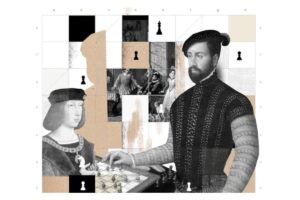
Ruy López de Segura effectively paved the way for the professionalization of the game, moving it from the courts of nobility into the realm of scientific study. His life as a cleric and a strategist in Zafra created a bridge between the medieval approach to the game and the modern era. Through his