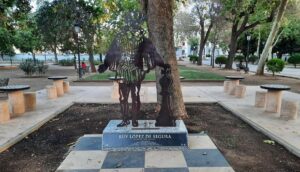
- He is widely recognized as the first unofficial world chess champion for defeating the strongest players of the 16th century.
- His seminal work, "Libro de la invención liberal y arte del juego del Ajedrez", laid the groundwork for modern chess theory.
- The Spanish Opening, also known as the Ruy López, remains one of the most influential and played strategies in global chess.
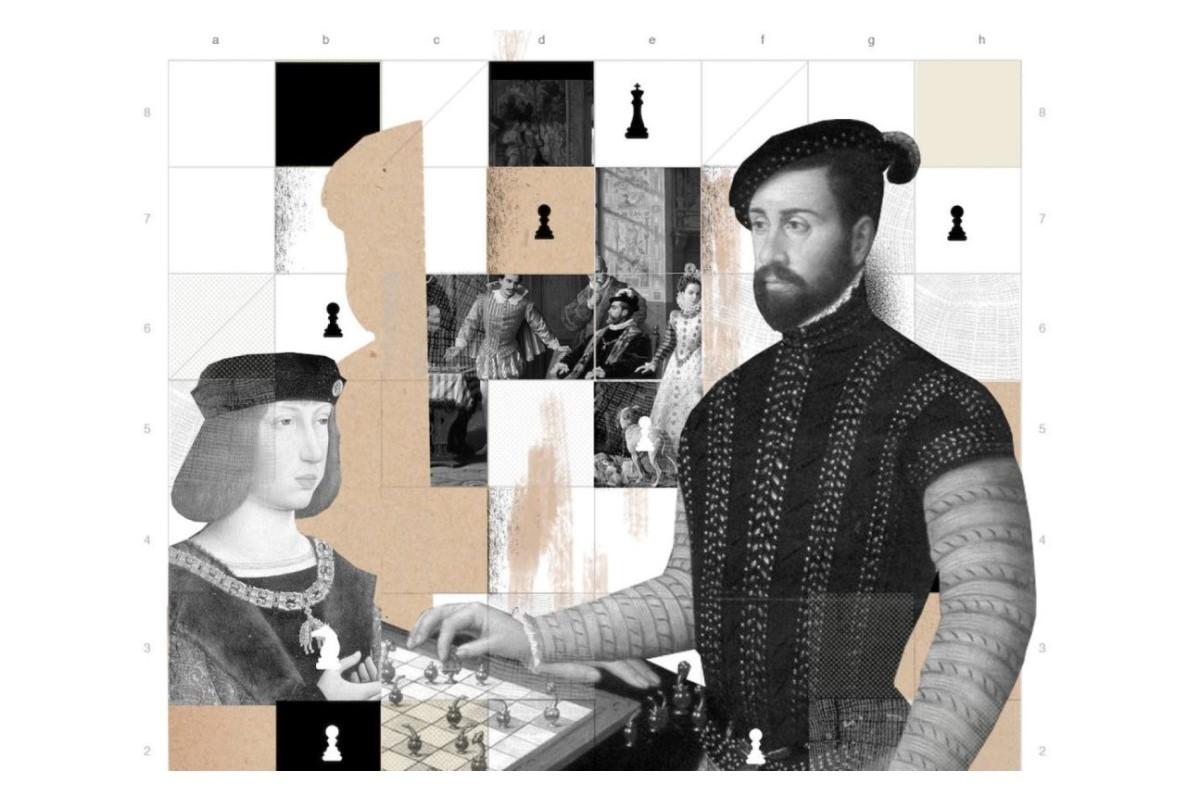
When we dive into the roots of modern chess, one name consistently pops up as a true trailblazer: Ruy López de Segura. Born around 1530 or 1540 in Zafra, Extremadura, this Spanish cleric wasn’t just a man of faith, but a tactical genius who essentially transformed a casual pastime into a rigorous intellectual discipline during the Renaissance.
It is quite a trip to imagine the world back then, where the game was still evolving. Before the late 15th century, pieces like the bishop and queen moved very differently, making matches sluggish. By the time Ruy López entered the scene, the «modern chess» revolution—characterized by the powerful queen—had just taken hold, setting the stage for him to become a global icon of the 64 squares.
The Rise of a Legendary Player
López didn’t just stumble into greatness; he was a dedicated student of the game. While he was largely self-taught, he spent his youth honing his skills against seasoned opponents. His brilliance eventually took him to Rome, where he managed to outplay the finest Italian masters of the era, including the renowned Giovanni Leonardo da Cutri, often called «Il Puttino».
Because he dominated the most competitive circles of his time—specifically in the Spanish and Italian courts—historians often label him as the first unofficial world champion. While official titles didn’t exist until 1886 with Wilhelm Steinitz, Ruy López’s sheer dominance in the 16th century earned him this prestigious, if informal, distinction.
The Royal Tournaments and Controversies
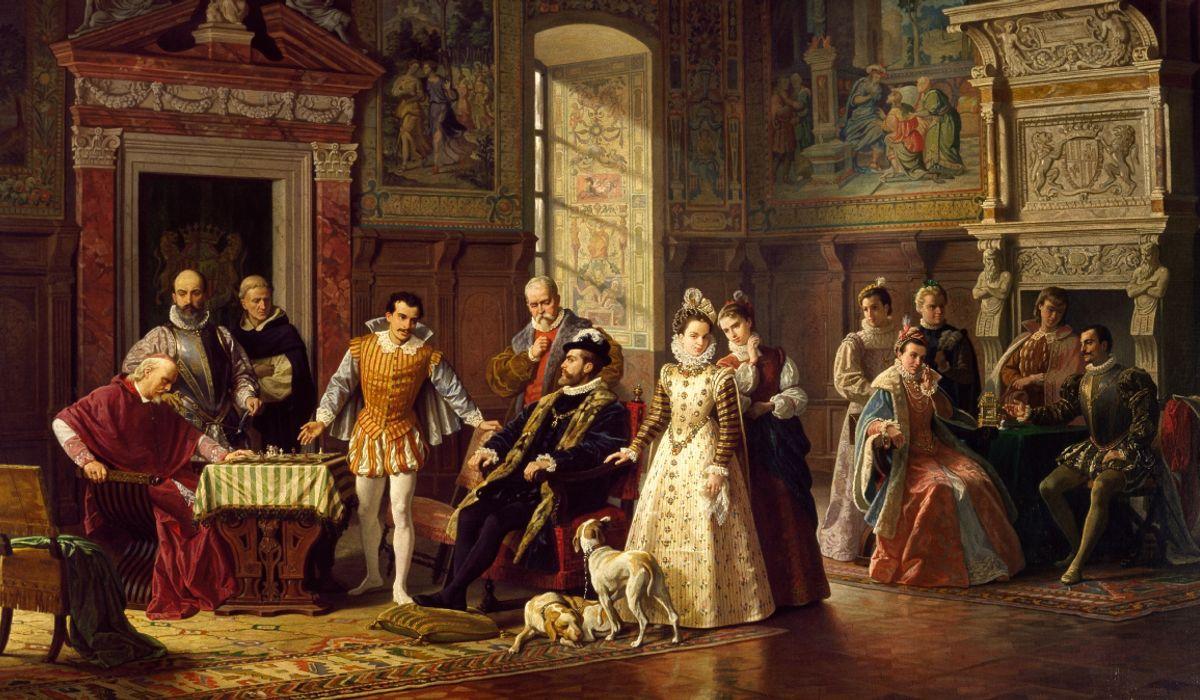
The Spanish court under King Philip II was a hotspot for chess lovers. The King, a huge fan of the game, invited Ruy López to participate in high-stakes tournaments. One of the most debated events took place in Madrid, where López faced off against Italian masters. Some records suggest this happened in 1575, though other researchers argue it occurred between 1568 and 1570, just before his final journey to Peru.
Interestingly, López didn’t always stick to the strategy that now bears his name. In a shocking move during a match against Leonardo il Puttino, he deployed the first King’s Gambit in a major competition, proving that he was a daring player who loved to surprise his opponents. Despite some conflicting accounts about who ultimately won certain tournaments, his status as the most formidable player of the age remained largely unquestioned.
A Master of Theory and Strategy
Ruy López wasn’t content with just winning games; he wanted to decode the game’s logic. In 1561, he published his masterpiece, «Libro de la invención liberal y arte del juego del Ajedrez». This wasn’t just a rulebook; it was a systematic manual that analyzed openings and endgame techniques, making it a cornerstone of chess literature in the Spanish language.
The book is famous for some pretty eccentric advice. For instance, he suggested that if you were playing during the day, you should position your opponent so the sun would blind them. At night, he advised placing the lamp to the opponent’s right so their own hand would cast a shadow over the board. It goes to show that back then, winning was about total psychological warfare.
The Eternal Legacy: The Spanish Opening
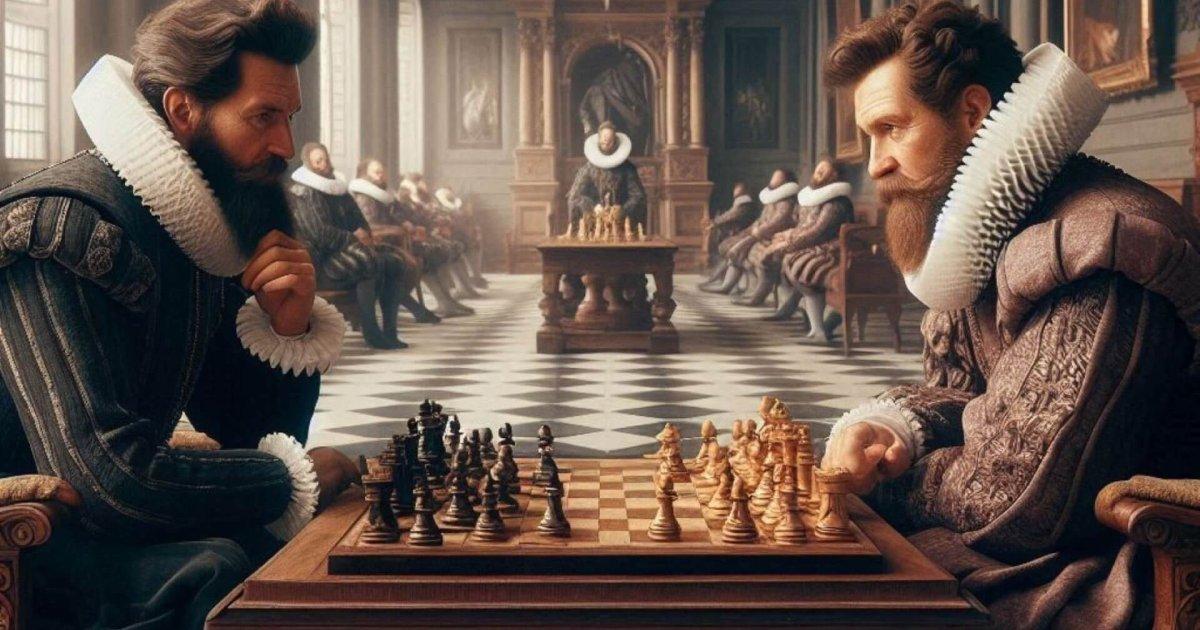
If you’ve ever played a game of chess, you’ve likely encountered the Ruy López Opening (1.e4 e5 2.Nf3 Nc6 3.Bb5). Although he didn’t technically «invent» the move, he was the first to document and champion its effectiveness. By putting pressure on the knight at c6, he aimed to weaken the opponent’s control of the center, specifically the e5 pawn.
This strategic approach was so advanced for its time that it remains a staple in modern grandmaster play. Legends like Bobby Fischer and Garry Kasparov have utilized this opening to secure victories, proving that the insights of a 16th-century cleric are still deadly effective in the digital age.
- He introduced the rule of en passant to a wider audience.
- He practiced and promoted blindfold chess.
- He bridged the gap between chess as a courtly hobby and a scientific study.
The story of Rodrigo López de Segura is more than just a tale of old games; it is the narrative of a man who saw the intellectual potential of the chessboard. From his birthplace in Zafra to the royal courts of Spain and the religious hubs of Rome, his influence persists through every game that starts with a bishop move to b5, cementing his place as the true grandfather of professional chess.