- Ruy López de Segura was a pioneering Spanish cleric who formalized chess theory through his influential 1561 treatise.
- He is widely regarded as the first unofficial world champion after defeating the best Italian masters of the 16th century.
- The Spanish Opening, known as the Ruy López, remains one of the most prestigious and deeply analyzed strategies in modern chess.
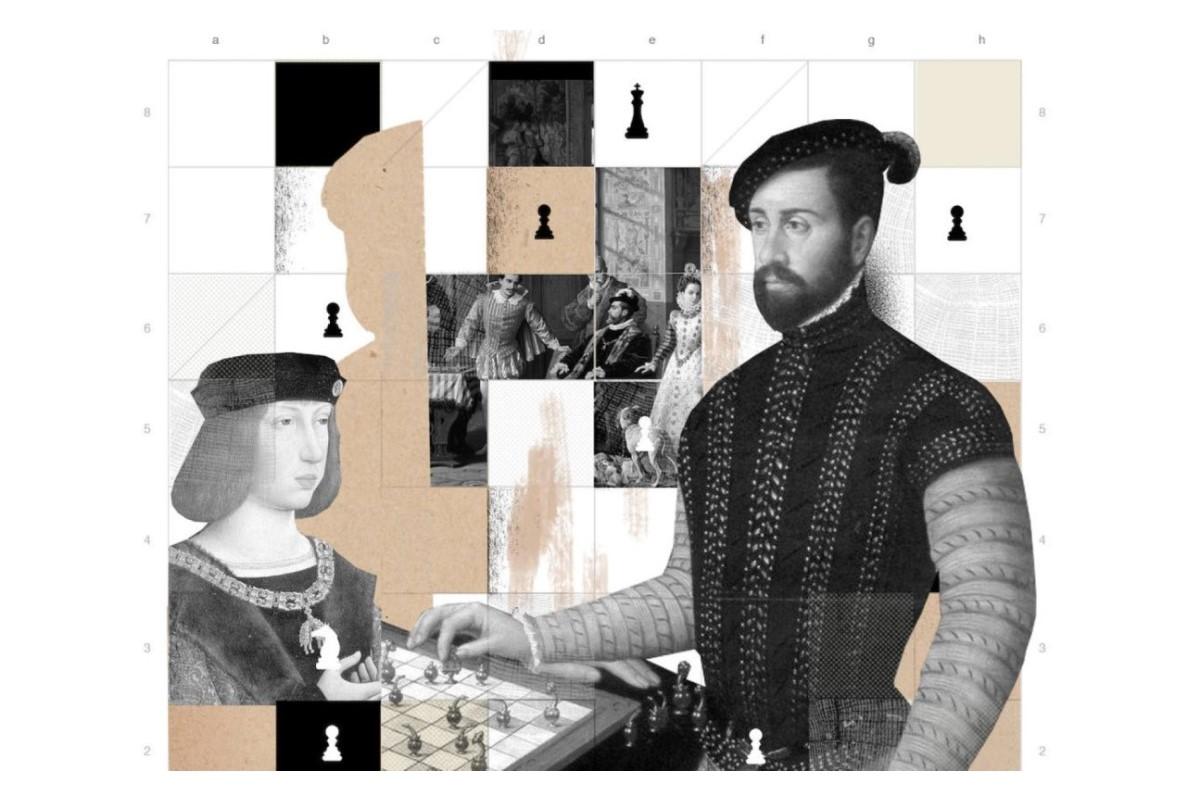
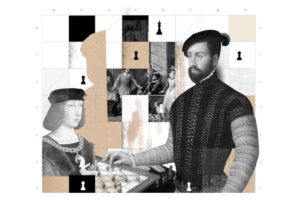
When we dive into the roots of competitive chess, one name stands out as a true trailblazer: Ruy López de Segura. Born around 1530 or 1540 in the town of Zafra, Extremadura, this Spanish cleric wasn’t just a man of faith, but a visionary who transformed a leisurely pastime into a rigorous intellectual discipline. His influence was so profound that he is often hailed as the world’s first professional chess player, even though official world championships didn’t exist until centuries later.
The world of the 16th century was a melting pot of cultures, and in Spain, the influence of Arab and Jewish traditions had already paved the way for chess to flourish. Ruy López grew up in an environment where the game was evolving, shifting from the slow, medieval version—where the bishop and queen had very limited movements—to the modern rules we recognize today. This transition allowed him to apply a level of analytical depth that had never been seen before, turning the board into a battlefield of logic and strategy.
A Life Between the Altar and the Board
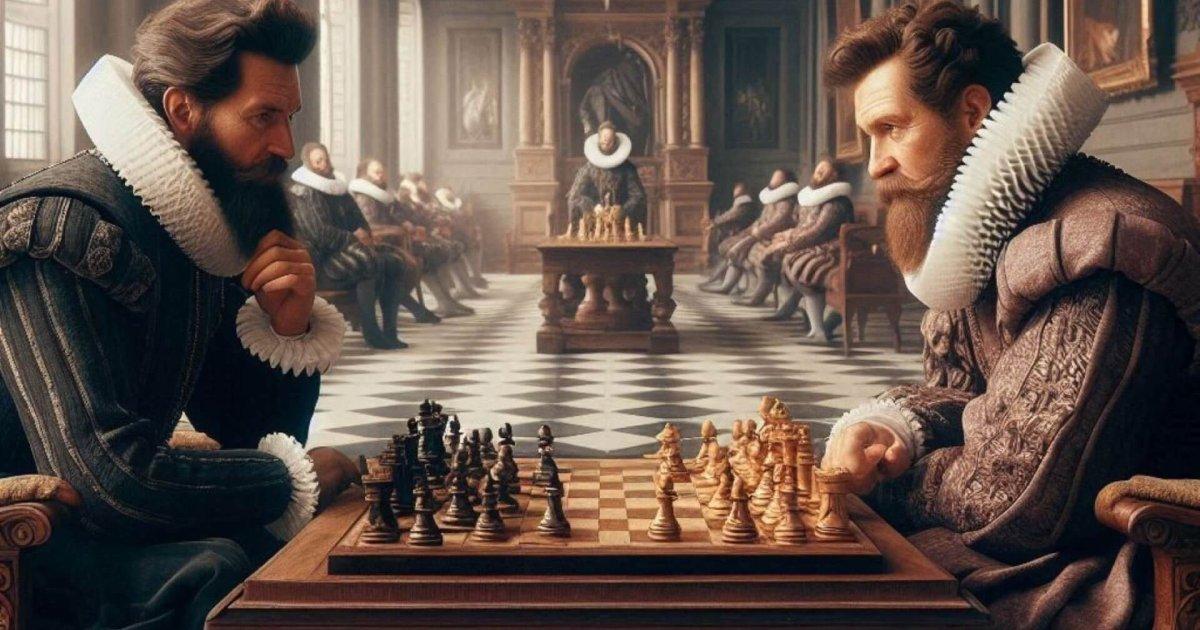
Ruy López’s path was quite unique; he was a high-ranking member of the clergy, eventually becoming a confessor and advisor to King Philip II. This proximity to power gave him access to the most elite circles of Europe. His journey to fame took a leap forward during his travels to Rome, where he attended papal elections. It was there that he began crushing the top Italian players of his day, proving that the Spanish school of chess was far ahead of the rest of the continent.
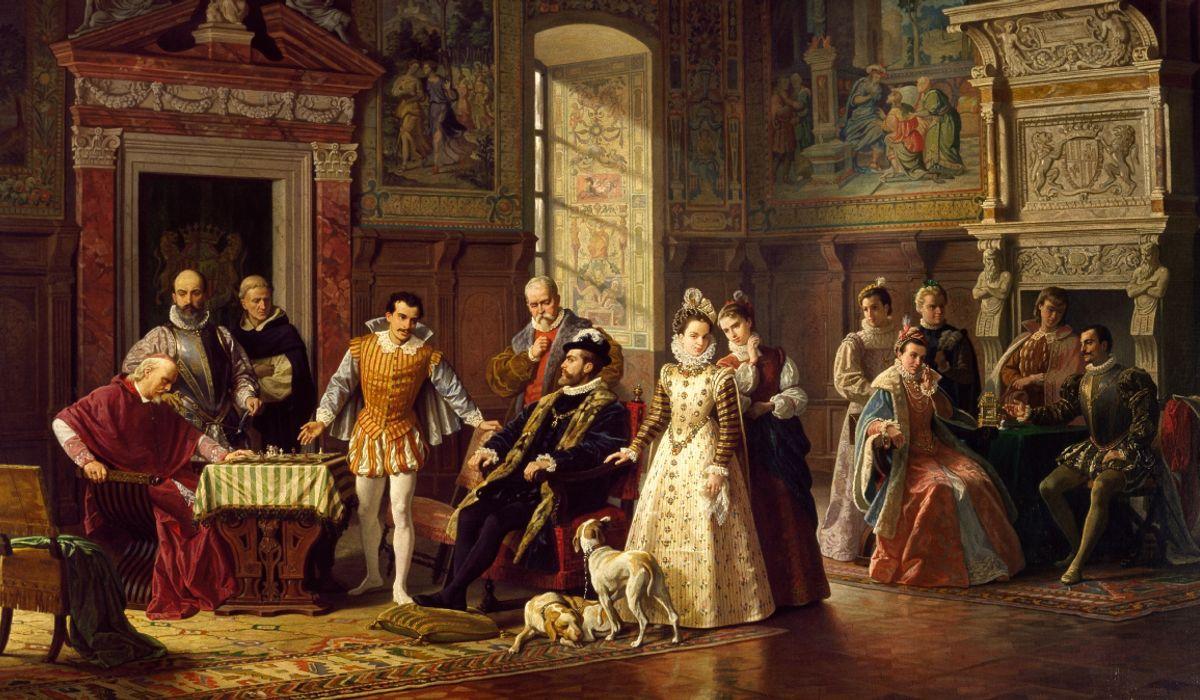
His reputation was so formidable that Philip II invited him to the royal court in Madrid to face off against the legendary Italian masters, including Leonardo il Puttino. While historical accounts vary—some say the tournament happened in 1575 and others, like the Gragera brothers, suggest it occurred before 1570—the result was a testament to his skill. Ruy López dominated his peers, which is why historians consider him the first unofficial world champion, as he simply played better than anyone else on the planet.
The Theoretical Revolution: His Masterpiece
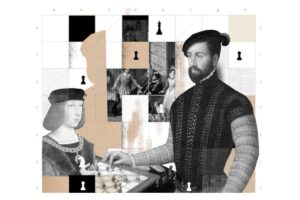
Beyond his skill as a player, Ruy López was a brilliant writer. In 1561, he published the Libro de la Invención Liberal y Arte del Juego del Axedrez. This wasn’t just a book of games; it was the first systematic manual in Spanish and one of the earliest printed treatises in Europe. He sought to standardize the game, treating chess not as a game of luck, but as a scientific pursuit requiring study and preparation.
Interestingly, the book contained some rather cheeky and psychological warfare tips. For instance, he advised players to position their opponent so that the sun would shine directly in their eyes during daytime games. If playing at night, he suggested placing the lamp to the opponent’s right so that their own hand would cast a shadow over the board. It goes to show that in the 16th century, the drive to win was just as intense as it is in today’s grandmaster tournaments.
The Spanish Opening: A Timeless Legacy
While he is associated with the Ruy López Opening (1.e4 e5 2.Nf3 Nc6 3.Bb5), he didn’t necessarily «invent» it from scratch, but he was the first to analyze and popularize it effectively. By placing the bishop on b5, he put immediate pressure on the knight defending the e5 pawn, creating a strategic tension that defines the opening to this day. It is a sophisticated approach that allows White to maintain long-term pressure and control the center.
Modern chess players still grapple with the complexities of the Spanish Opening. From the Berlin Defense, used by Vladimir Kramnik to challenge Garry Kasparov, to the aggressive Marshall Attack, the variations are endless. The opening is often called the «Spanish Torture» because of how the White pieces can slowly squeeze the Black position, proving that Ruy López’s insights from the 1500s are still relevant in the era of supercomputers.
Historic Games and Final Years
One of the most fascinating moments in his career was a match against Leonardo il Puttino in Madrid. In this encounter, Ruy López surprised everyone by using a King’s Gambit, a daring move that was practically unheard of in such prestigious competitions at the time. The game ended in a swift victory for the Spaniard after a critical mistake by Leonardo on the 5th move, illustrating that precision and boldness were the hallmarks of his playstyle.
The end of his life is shrouded in some mystery. Some records suggest he died in Madrid around 1580, while other sources claim he passed away in Peru around 1590. Regardless of where he spent his final days, his legacy was already set in stone. He had shifted the perception of chess from a mere courtly diversion to a professional intellectual pursuit, leaving behind a blueprint for every theoretician who followed.
The figure of Ruy López de Segura stands as the bridge between the medieval game and the modern era. Through his strategic innovations and his landmark treatise, he established the foundations of opening theory and competitive play. His name continues to echo every time a player moves their bishop to b5, ensuring that this extraordinary cleric from Zafra remains the eternal pioneer of the royal game.