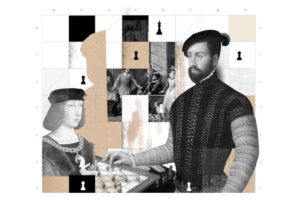
- Ruy López de Segura is recognized as one of the first great masters and a pioneering theorist of modern chess.
- His seminal work, "Libro de la invención liberal y arte del juego del axedrez," systematized chess strategy in the 16th century.
- He is the namesake of the Spanish Opening, a cornerstone of elite chess strategy used by world champions.
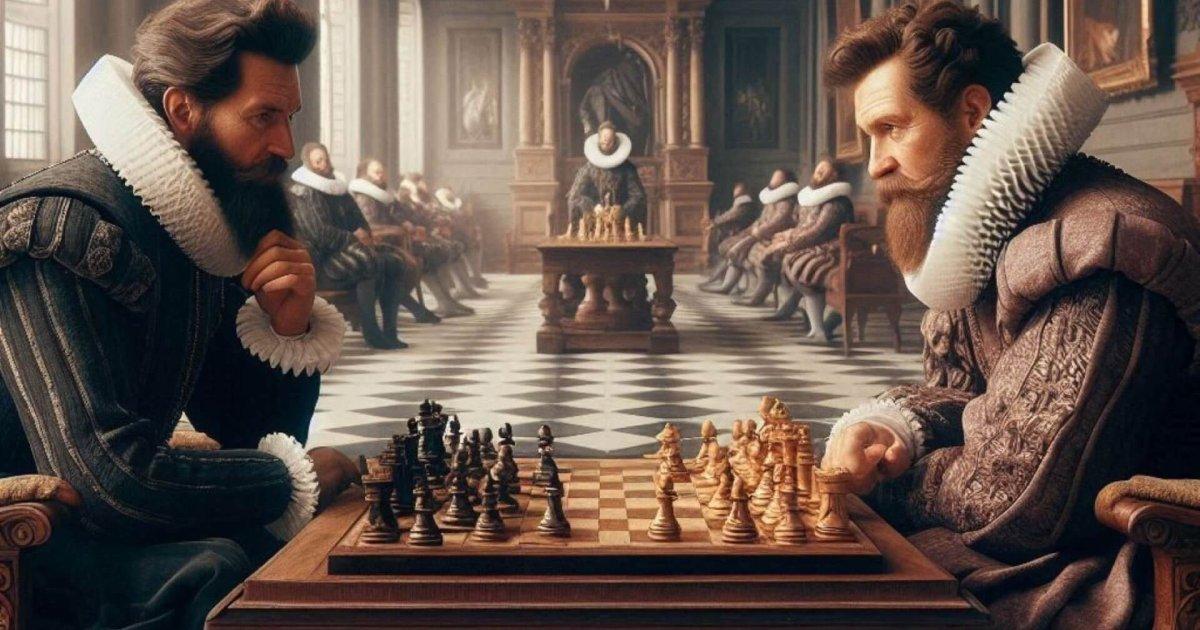
When we dive into the roots of competitive chess, one name consistently pops up as a true trailblazer: Ruy López de Segura. Born around 1530 or 1540 in Zafra, Extremadura, this Spanish cleric didn’t just play the game; he practically helped invent the way we study it today. While the concept of a «World Champion» wasn’t official until Steinitz in 1886, many historians view López as the unofficial first world champion due to his absolute dominance during the Renaissance.
It’s pretty wild to think about the world he lived in. Back then, chess was transitioning from a slow, medieval pastime into a dynamic strategic battle. Before the late 15th century, pieces like the bishop and the queen moved much more limitedly. However, by the time López entered the scene, the modern rules of chess—including the powerful move of the queen—had begun to take hold, setting the stage for a genius to systematize the game.
The Life and Influence of the Zafrense Cleric
López was a man of faith and intellect, eventually achieving the rank of Bishop. His home in Zafra, which later became a hospital, stands as a testament to his legacy, marked by symbols of the game he loved. He was a self-taught prodigy who spent countless hours analyzing positions, moving away from the idea that chess was just about luck or raw instinct and treating it instead as a rigorous scientific discipline.
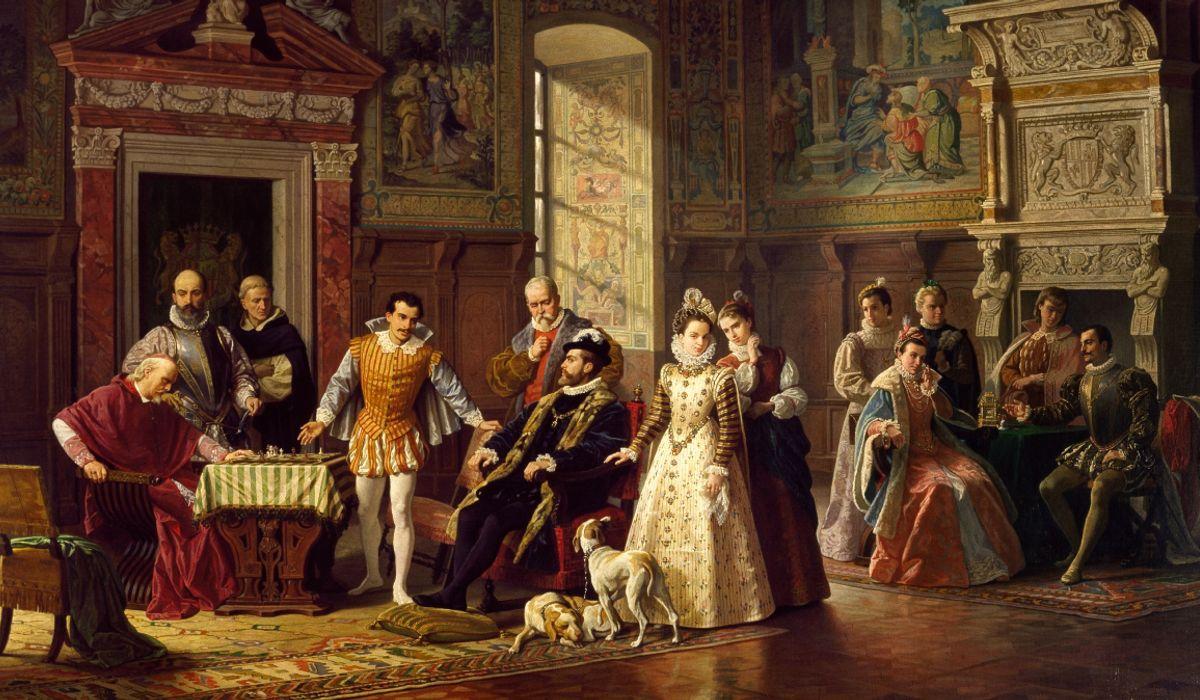
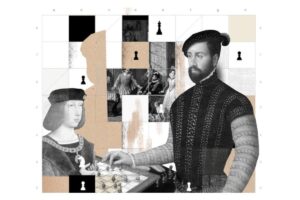
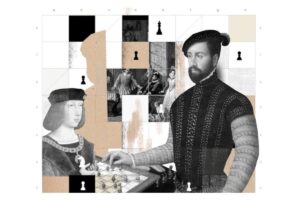
His fame reached the highest levels of power, specifically the court of King Philip II. The Spanish monarch, a huge chess enthusiast, invited López to Madrid in 1575 to face off against the top Italian masters of the era. In a stunning display of skill, López defeated Leonardo il Puttino, the Italian champion, using an aggressive King’s Gambit. This victory cemented his status as the premier player of his time and showed that Spanish chess was leading the way in Europe.
A Masterpiece of Theory: The First Great Manual
In 1561, he published his magnum opus, «Libro de la invención liberal y arte del juego del axedrez». This wasn’t just a book of games; it was the first systematic manual in the Spanish language. López broke down tactics, opening principles, and endgame strategies with a level of detail that was unheard of. He even included psychological tips, like suggesting that players should position themselves so the sun would glare into their opponent’s eyes during daytime matches.
By treating the game as an intellectual pursuit, he paved the way for the professionalization of chess. He emphasized a fair and ethical approach to the sport, warning players against deceptive tricks. His work ensured that the knowledge of the game was no longer passed down only by word of mouth but was documented and analyzed, allowing future generations to build upon his findings.
The Everlasting Impact of the Spanish Opening
Even if you’ve never read his book, you’ve probably heard of the Ruy López Opening, also known as the Spanish Opening. Defined by the moves 1.e4 e5 2.Cf3 Cc6 3.Ab5, this strategy aims to put immediate pressure on the knight defending the e5 pawn. It is a deeply strategic approach that creates long-term pressure on the opponent, often leading to a slow but suffocating squeeze that some players call the «Spanish Torture.»
Over the centuries, this opening has evolved into a massive body of theory with several key variations:
- The Main Line: Where Black plays 3…a6 to challenge the bishop.
- The Berlin Defense: A rock-solid response often used to force a draw, famously used by Vladimir Kramnik.
- The Exchange Variation: Where White captures the knight on c6 to double Black’s pawns.
- The Marshall Attack: An aggressive gambit where Black sacrifices a pawn for a devastating attack.
From legends like Bobby Fischer and Garry Kasparov to modern grandmasters, the Ruy López remains a staple of elite play. It transforms the board into a complex battle for the center, proving that the insights of a 16th-century priest are still relevant in the age of computers.
The journey of Rodrigo López de Segura reflects the evolution of chess itself, from a courtly diversion to a professional sport. Through his theoretical brilliance, his victory over the Italians, and the creation of one of the most analyzed openings in history, he left an indelible mark on the game. His life story reminds us that the spirit of analytical rigor and passion is what truly defines a champion, regardless of whether an official title exists.