- Strategic breakdown of the Open Sicilian and effective Anti-Sicilian systems for diverse playing styles.
- Detailed analysis of the most popular Black variants including Najdorf, Sveshnikov, and Taimanov.
- Practical execution plans focusing on central control, pawn structures, and critical tactical motifs.
- A structured training methodology to transition from theoretical study to competitive application.

Diving into the Sicilian Defense (1.e4 c5) is like stepping into a battlefield where asymmetry is the name of the game. It is hands-down the most popular response to the King’s Pawn Opening because it immediately creates an unbalanced position, giving Black a real shot at winning instead of just hoping for a draw. Whether you are a club player or a seasoned pro, the Sicilian offers a vast array of systems that cater to every kind of temperament, from the wildly aggressive to the rock-solid and strategic.
For those playing White, facing the Sicilian can be a bit daunting due to the sheer volume of theory. However, shifting from «anti-Sicilian» lines to the Open Sicilian (2.Nf3 and 3.d4) is where the real fun begins for tactical players who love double-edged positions. It is not just about memorizing moves; it is about understanding the deep strategic motifs and knowing when to push for an attack and when to maintain control of the center.

Strategic Approaches for White Players
If you want to tackle the Sicilian with confidence, you need a balanced repertory. The Open Sicilian is the gold standard for those who aren’t afraid of a fight, as it leads to the most theoretical and explosive positions. However, if you prefer a more controlled approach, the Alapin Variant (2.c3) is a logical choice, aiming to build a strong pawn center, although it often results in an isolated queen’s pawn for White.
Beyond these, there are several «Anti-Sicilian» options that can catch your opponent off guard. Some players prefer lines starting with 2.Nc3 or aggressive gambits like the Smith-Morra or Wing Gambit, which prioritize rapid development and initiative over material. The key is to have a solid understanding of central struggles and to know how to pivot based on whether Black chooses a Najdorf, a Dragon, or a more flexible setup.
Decoding the Black Variants
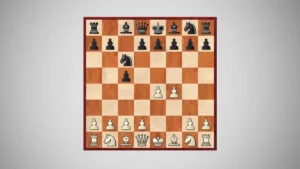
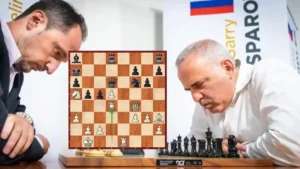
For the Black side, the goal is usually to achieve a playable position that offers long-term winning chances. The Najdorf (5…a6) is perhaps the most famous, favored by legends for its incredible flexibility and fighting spirit. Its main goals involve a well-timed …e5 and expansion on the queenside with …b5, though it requires significant theoretical preparation to avoid falling into traps.
If you prefer something less volatile but still potent, the Taimanov Sicilian is a fantastic alternative. It is a reliable system that avoids long, forced lines, making it easier to maintain balance. The position is essentially impenetrable if played correctly, often causing White’s premature attacks to crash and burn. Similarly, the Kan variant offers a flexible approach where Black avoids committing too early.
For the true tacticians, the Dragon (…g6 and …Bg7) provides a thrilling experience, often leading to opposite-side castling and a frantic race to the enemy king. On the other hand, the Sveshnikov (5…e5) is for those who don’t mind accepting a structural weakness, such as a hole on d5, in exchange for extreme piece activity and dynamic counterplay.
Essential Plans and Pawn Structures
Success in the Sicilian comes down to plans, not just rote memorization. In the Open Sicilian, White should focus on controlling key central squares and preparing the Nd5 jump. The general strategy involves utilizing open files (c and d) and launching pawn storms with f4-f5 or g4-g5. Conversely, Black’s primary objective is to expand on the queenside with …b5-b4 and finding the perfect moment to strike with …d5 to liberate their pieces.
Specific structures demand specific responses. In the Najdorf, White often tries the e4-e5 break to squeeze Black, while Black fights to keep control of the d5 square. In the Sveshnikov, the battle centers around the d5 outpost—White wants to occupy it, and Black must prevent it from becoming a decisive advantage. In the Dragon, the game becomes a pure sprint, where the side that delivers the checkmate first wins.

Tactical Motifs and Common Pitfalls
Tactics are everywhere in the Sicilian due to the inherent asymmetry. One of the most critical patterns is the «Poisoned Pawn» in the Najdorf, where Black captures on b2; this can be lethal if the initiative is mismanaged. Players should also be wary of Greek Gift sacrifices and common motifs on the h7/h2 squares, especially in the Dragon and Najdorf variants.
A common mistake for many is prioritizing material over development, such as grabbing a pawn while ignoring the safety of the king. Another frequent error is ignoring the significance of the d5 square. A golden rule is to always ask yourself «who can play d5?» on almost every move. Additionally, advancing pawns without proper piece coordination often leads to collapse, so ensure your major pieces are well-placed before launching a flank attack.
Training Roadmap for Mastery
Building a playable repertory requires a disciplined approach. A great way to start is by picking one main branch (like the Taimanov or Najdorf) and mastering the first 10-12 moves. Once the moves are clear, focus on studying 10 model positions to understand the typical pawn skeletons and the resulting plans. Solving 15-20 Sicilian-specific tactics daily will help make the patterns automatic.
Practical application is where the real growth happens. Instead of just using an engine, try reproducing master games on a physical board; the tactile experience helps in recognizing patterns faster. A suggested routine includes 20 minutes of model game review and 10-20 minutes of practical play. Finally, creating a one-page cheat sheet with typical move orders and tactical warnings is a pro tip for organizing your thoughts before a tournament.

The path to dominating the Sicilian involves a blend of theoretical knowledge and intuitive understanding of the asymmetric struggle. By focusing on the central d5 square, mastering the specific needs of each variant, and avoiding the trap of premature pawn pushes, any player can transform this complex defense into a powerful weapon. Combining targeted tactical drills with a study of model games ensures that you are not just playing moves, but executing a coherent strategy to outmaneuver your opponent.