- Considered the first unofficial world champion after defeating top Italian masters in 1575.
- Authored the influential 1561 treatise "Libro de la Invención Liberal y Arte del Juego del Ajedrez".
- Pioneered the use of the King's Gambit in high-level competition and popularized the Spanish Opening.
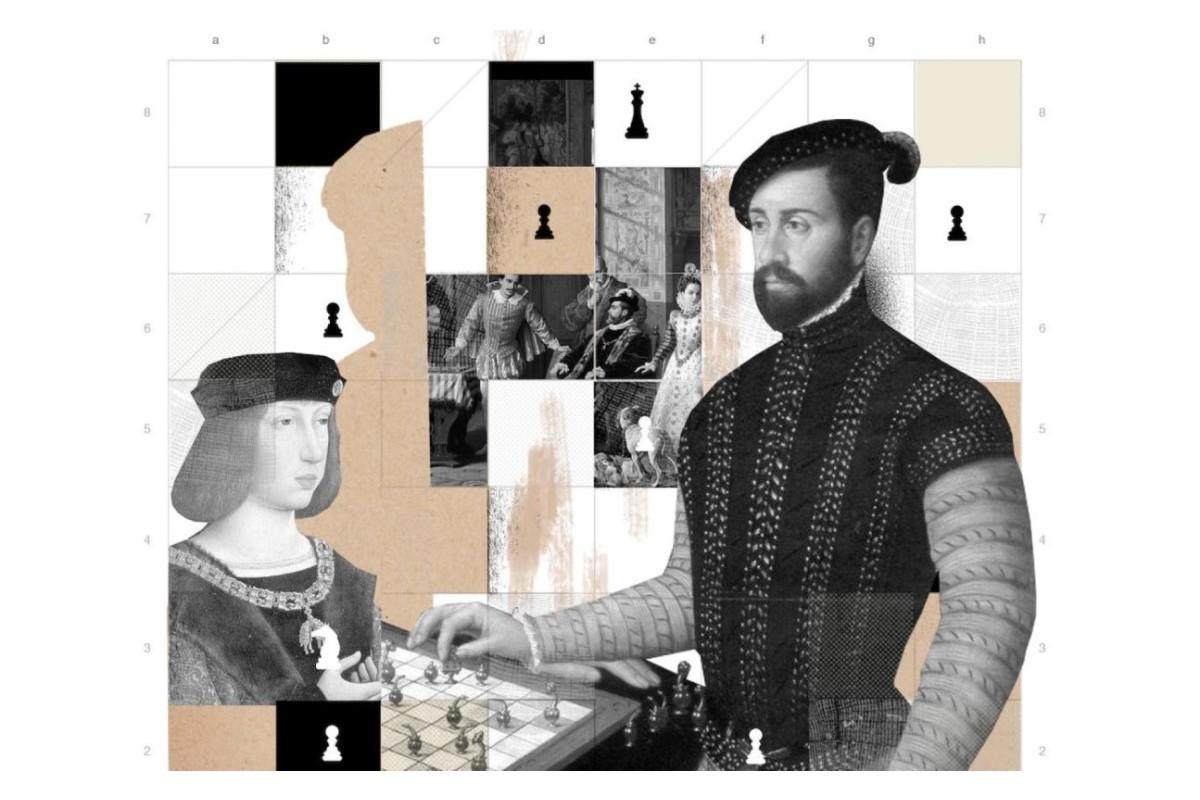
When we dive into the roots of competitive chess, one name inevitably stands out: Ruy López de Segura. Born around 1540 in the town of Zafra, Extremadura, specifically on Tetuán Street, this remarkable figure is often hailed as the first professional chess player and perhaps the first unofficial world champion. While there is some historical debate regarding his surname—some call him Sicura and others Segura—this is mostly due to the diverse cultural influences of the region, where Celts, Iberians, Muslims, and Christians all left their mark on the local nomenclature.
López wasn’t just a man of the board; he was also a man of the cloth, eventually attaining the rank of Bishop. His social standing and lineage were significant, as evidenced by his brother Alonso, who turned their family residence into a Hospital for Convalescents. While many today recognize his name through the famous opening that bears his title, Ruy López left a legacy that went far beyond a few moves on a board, establishing himself as one of the most influential theorists in the history of the game.
The Literary Legacy and Strategic Vision
In 1561, López published his seminal work, the Libro de la Invención Liberal y Arte del Juego del Ajedrez. This wasn’t just a collection of games; it was a deep dive into the mechanics of the sport. He sought to rationalize the game by analyzing openings and motivating specific moves, moving chess away from mere intuition toward a structured analytical discipline. He was truly ahead of his time, treating the chessboard as a field of tactical war.
Curiously, his approach to the game included some psychological warfare. In his writings, he suggested that if a match took place during the day, the opponent should be seated facing the sun so the glare would distract them. For nighttime encounters, he advised placing the light to the right of the adversary, ensuring their own hand cast a shadow over the pieces. It just goes to show that, for López, winning required every possible advantage.
The Rise to Global Dominance
The peak of his fame came in 1575, when King Philip II, a passionate devotee of chess, invited him to the royal court in Madrid. This event served as a high-stakes international tournament where López faced off against the top Italian masters of the era. By emerging victorious in this clash, he earned the unofficial title of the world’s best player. His dominance didn’t end there, as he returned to Rome two years later to once again defeat the finest players of the age.
During the Madrid tournament, López shocked the court by deploying a strategy that had previously gone unnoticed. Although the «Spanish Opening» is named after him, he didn’t actually invent it; instead, he stunned the Italian champion Leonardo il Puttino by utilizing the first recorded King’s Gambit in such a prestigious competition. This bold move demonstrated his willingness to innovate and disrupt the established norms of the 16th century.
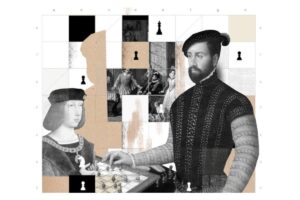
A Historic Clash: López vs. Il Puttino
The match between Ruy López and Leonardo il Puttino in 1575 remains a legendary example of how a single slip can lead to total collapse. The game followed this sequence: 1.e4 e5 2.f4 d6 3.Ac4 c6 4.Cf3 Ag4 5.fxe5 dxe5 6.Axf7+ Rxf7 7.Cxe5+ Re8 8.Dxg4 Cf6 9.De6+ De7 10.Dc8+ Dd8 11.Dxd8+ Rxd8 12.Cf7+, leading to an immediate resignation. It was a brief but brutal encounter that highlighted the precision required at the highest level of play.
The Evolution of the Modern Game
To appreciate López’s impact, we must understand that he played during a massive evolutionary shift in chess. Before the late 15th century, the game was slow; the bishop moved only two squares and the queen—then called the alferza—was very limited. The transition to «Mad Queen Chess» began around 1475 with the poem ‘Scachs d’amor’ and was further codified by authors like Lucena and Francesc Vicent. Ruy López entered the scene just as these modern rules were taking hold, blending the new dynamics with his own analytical genius.
The Spanish Opening (1.e4 e5 2.Nf3 Nc6 3.Bb5) remains a cornerstone of elite chess today. Far from being a dusty relic, it is prized for its deep strategic tension, its fight for the center, and its requirement for perfect piece coordination. This enduring relevance proves that the foundations laid by the cleric from Zafra continue to challenge the minds of the greatest grandmasters in the modern era.
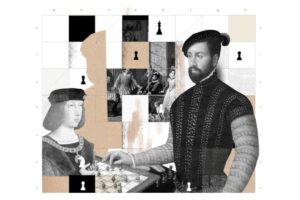
The journey of Ruy López de Segura, from the streets of Zafra to the courts of Philip II, marks the transition of chess from a courtly pastime to a rigorous intellectual pursuit. Through his definitive treatise, his victory over the Italian masters, and the enduring legacy of the opening that bears his name, he cemented his status as the forefather of professional chess and a pioneer of strategic analysis.