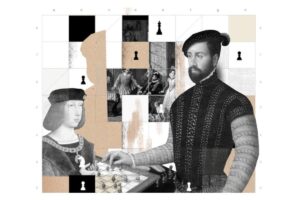
- He authored the first systematic chess manual in Spanish, blending strategic theory with practical advice.
- Widely regarded as the first unofficial world champion after dominating European masters in the 16th century.
- His name is immortalized through the Spanish Opening, a cornerstone of modern competitive chess theory.
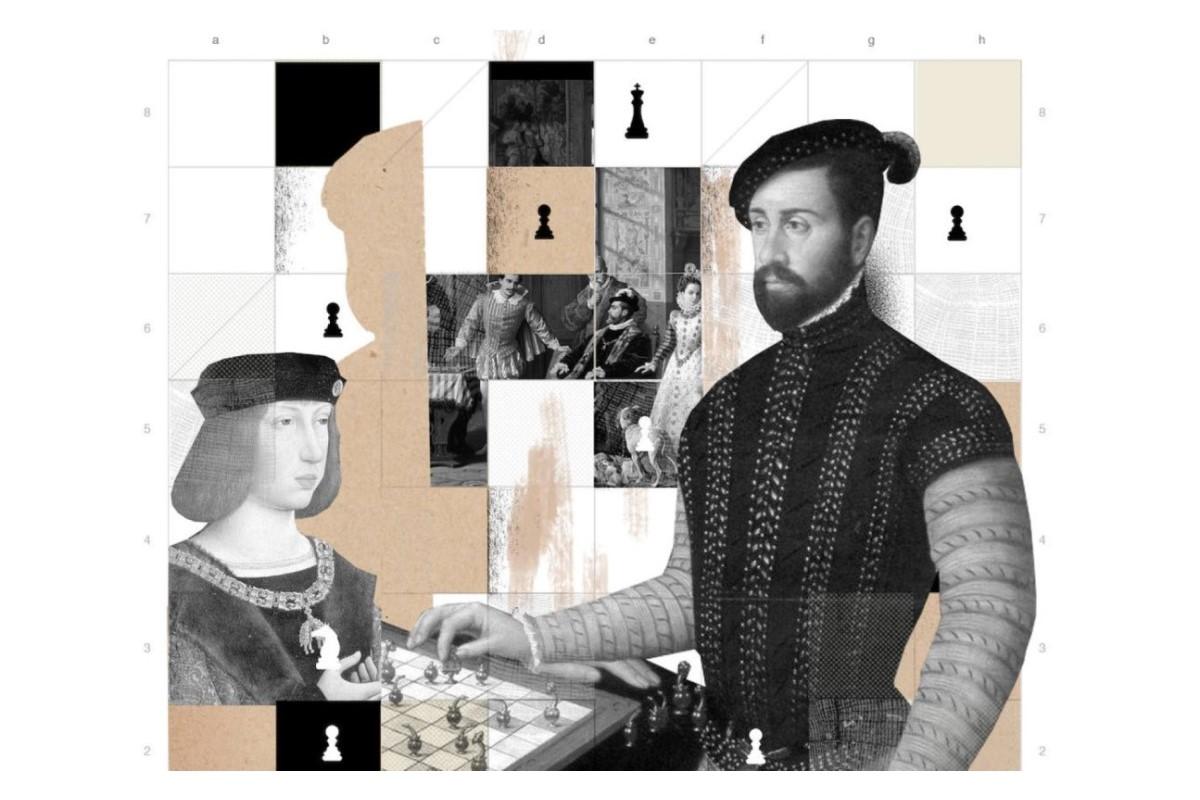
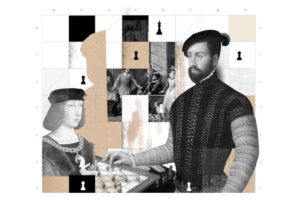
When we talk about the roots of competitive chess, one name stands out above the rest: Ruy López de Segura. Born around 1540 in Zafra, Extremadura, this Spanish cleric wasn’t just a man of the cloth but a true visionary of the 64 squares. He emerged during the Renaissance, a time when the game was shifting from a slow-paced courtly pastime to a rigorous intellectual discipline.
It is quite common to find a bit of a mix-up regarding his full name, with some calling him López de Sicura and others de Segura. This mostly stems from the diverse cultural heritage of his homeland, where Celts, Romans, Muslims, and Christians left their mark. Regardless of the spelling, his influence on the game is undeniable, effectively bridging the gap between medieval play and modern strategic analysis.
A Life of Faith and Strategy
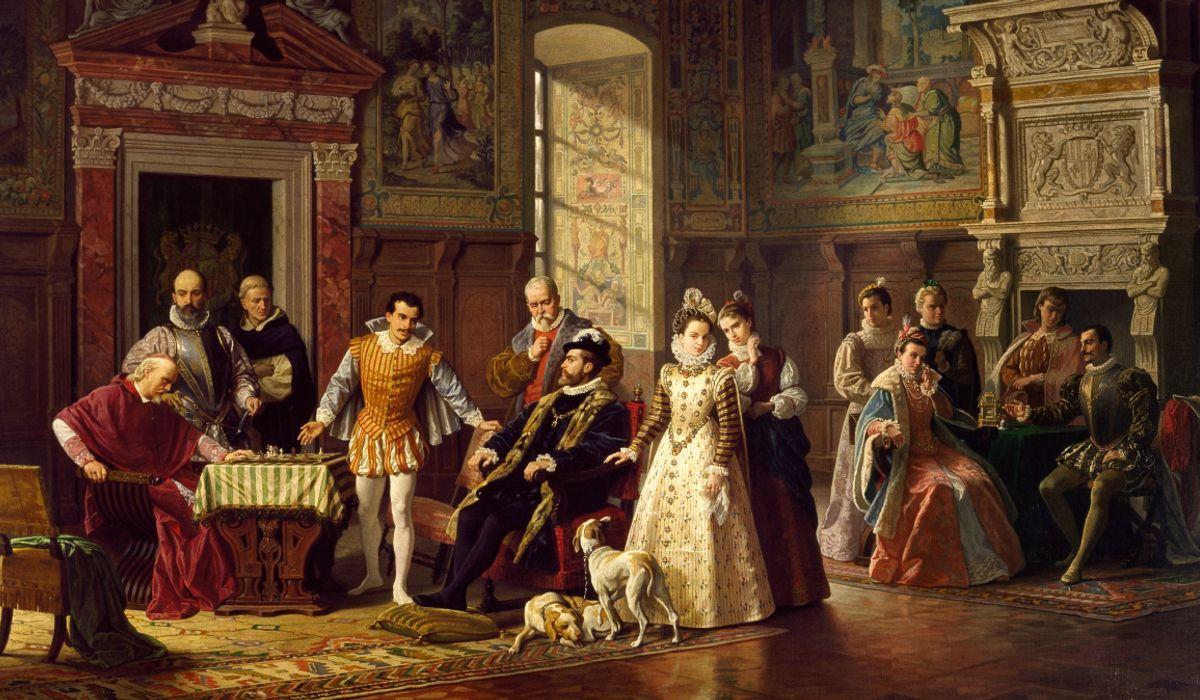
Ruy López didn’t just play the game; he lived it. While he held a position as a bishop and served as a confessor and advisor to King Philip II, his passion for chess was equally fervent. He was largely self-taught, honing his skills by studying the works of others and practicing against experienced opponents. This dedication allowed him to view chess not as a game of luck, but as a scientific endeavor requiring deep study.
His rise to fame was meteoric. In 1560, during a trip to Rome for the election of Pope Pius IV, the young cleric stunned the Italian masters of the time by defeating them with ease. This wasn’t just a fluke; it was a display of a new level of technical proficiency that would eventually lead him to be dubbed the first unofficial world champion, long before formal titles existed.
The Masterpiece of Chess Theory
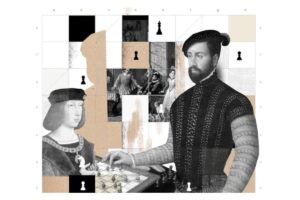
In 1561, López published a groundbreaking work titled Libro de la invención liberal y arte del juego del Ajedrez. This wasn’t your average guidebook; it was the first systematic manual in Spanish and one of the earliest printed treatises in Europe. He didn’t just list moves; he tried to categorize and motivate them, treating the game as a mirror of warfare.
Interestingly, the book contained some rather cheeky practical tips. For instance, he suggested that if you were playing during the day, you should position your opponent facing the sun so the glare would distract them. Similarly, at night, he advised placing the lamp to the right of the adversary so that their own hand would cast a shadow over the board. It goes to show that in the 16th century, winning was everything!
The Legacy of the Spanish Opening
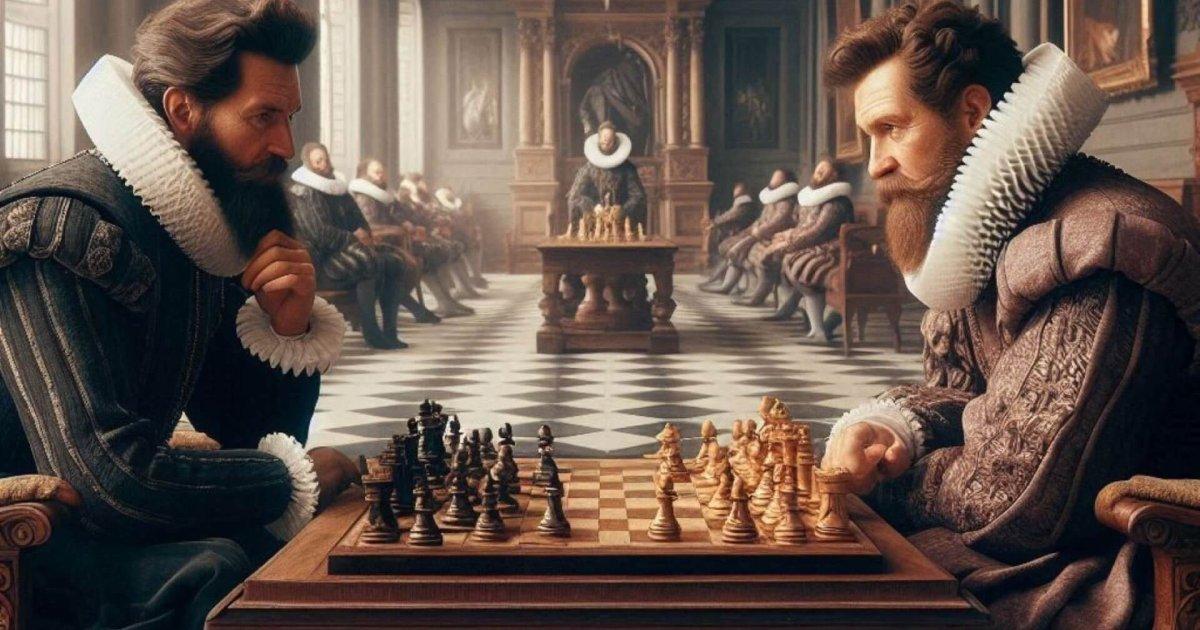
While many know him for the Spanish Opening (1.e4 e5 2.Nf3 Nc6 3.Bb5), it’s a common misconception that he actually invented it. Instead, he was the first to deeply analyze and popularize it. By placing the bishop on b5, he put pressure on the defender of the e5 pawn, creating a complex struggle for the center that is still used by elite grandmasters today, from Fischer to Kasparov.
His strategic brilliance was further showcased in the first international tournament organized by Philip II in Madrid in 1575. Despite facing the formidable Leonardo il Puttino, Ruy López displayed an incredible range of skills. In one historic encounter, he surprised the court by utilizing a King’s Gambit, proving that he could be as aggressive as he was positional.
Analyzing the Ruy López Variations
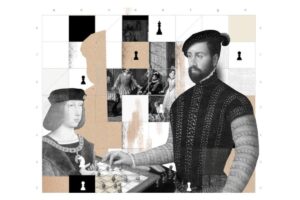
The opening that bears his name has evolved into a massive theoretical mountain. For those diving into it, there are several paths: the Main Line involving a6 and Bb4, or the Closed Variation where the black bishop settles on e7. If you’re looking for something rock-solid, the Berlin Defense is the go-to, often leading to early queen trades and a drawish but sturdy position.
For the brave souls, there is the Open Variation or the aggressive Schliemann-Jaenisch Gambit, where Black counters immediately in the center. Even the Marshall Attack, though developed centuries later, owes its existence to the foundational structure established by the Spanish Opening. It’s a testament to his vision that a 16th-century approach remains the gold standard for white in high-level play.
Rodrigo López de Segura’s journey from the streets of Zafra to the royal courts of Madrid left an indelible mark on the sport. By transforming chess from a hobby into a professional academic pursuit through his writings and competitive dominance, he paved the way for every world champion who followed. His life serves as a reminder that the intellectual rigor and strategic depth of the modern game were born from the curiosity and ambition of a Spanish cleric who saw the chessboard as a battlefield of the mind.