- Ruy López is recognized as one of the most influential chess theorists and players of the Renaissance era.
- He authored the seminal work "Libro de la Invención Liberal y Arte del Juego del Ajedrez" to standardize the game.
- His legacy persists through the Spanish Opening, although he was a master of various strategic approaches.
- He is often regarded as the first unofficial world champion following his triumphs in royal tournaments.
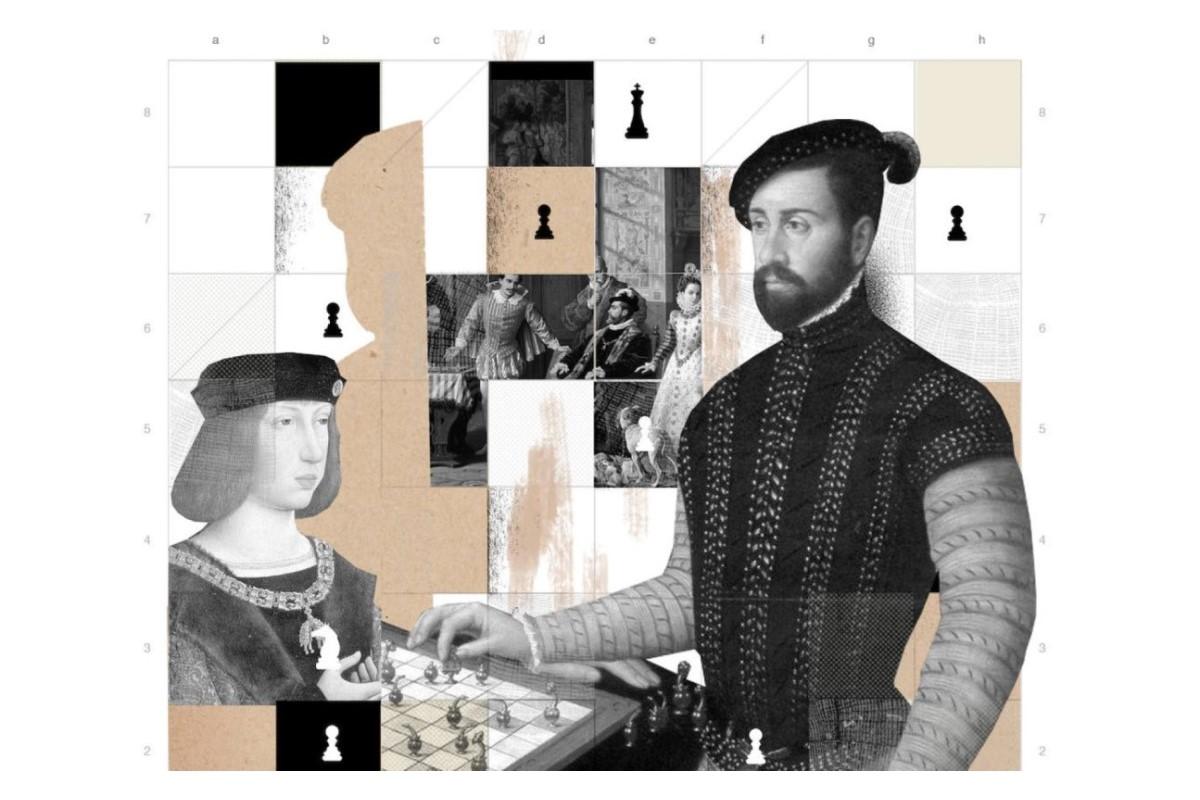
When we dive into the roots of competitive chess, one name stands out above the rest: Ruy López de Segura. Born around 1540 in the charming town of Zafra, located in Extremadura, Spain, this extraordinary figure emerged during a pivotal transition in the history of the game, bridging the gap between the slow medieval style and the dynamic modern era we recognize today.
It is quite common to find a bit of a mix-up regarding his full name, with some calling him López de Sicura and others de Segura. This confusion actually stems from the diverse cultural layers of his homeland, where Celts, Iberians, Muslims, Jews, and Christians all left their mark, reshaping the names of cities and people over the centuries. Beyond his fame on the 64 squares, he attained the prestigious position of Bishop, a role likely bolstered by his family’s social standing, which also led his brother Alonso to establish a convalescent hospital.
The Master of Theory and Strategy
While most modern fans associate his name with the «Spanish Opening,» it is a bit of a misconception to think he actually invented those specific moves. Instead, Ruy López earned his place in history as one of the most towering intellectuals of the game. In 1561, he penned the «Libro de la Invención Liberal y Arte del Juego del Ajedrez,» a comprehensive manual that sought to bring logical analysis and fixed patterns to a game that was previously played more by intuition than by science.
His approach was surprisingly thorough, and at times, a bit cheeky. In his writings, he didn’t just focus on piece coordinates; he suggested psychological tactics to rattle opponents. For instance, he advised that if a match took place during the day, the opponent should face the sun to be blinded by the glare. If it was night, he suggested placing the lamp so the opponent’s own hand would cast a shadow over the board. It goes to show that back then, winning was the only thing that mattered, much like in a real battlefield.
The Road to Global Dominance
In 1575, the chess-loving King Philip II invited the Bishop to his court in Madrid for a high-stakes showdown against two renowned Italian masters. This event is widely seen as the birth of the first world championship, even if it wasn’t a regulated tournament by today’s standards. Ruy López absolutely dominated the competition, earning the unofficial title of the best player on the planet. He didn’t stop there; just two years later, he traveled to Rome and once again triumphed over the finest players of the age.
One of the most shocking moments of his career happened during those Madrid matches. Instead of playing the opening that now bears his name, he surprised the court by unleashing the first recorded King’s Gambit in a major competition. Facing Leonardo il Puttino, the champion of Italy, Ruy López demonstrated a level of aggression and precision that was unheard of. This particular game ended in a swift victory for the Spaniard, proving that even a tiny mistake, such as an incorrect pawn push, could lead to immediate disaster.
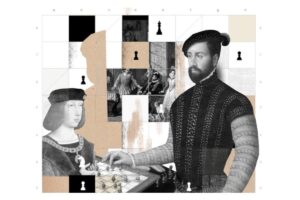
The Evolution of the Game
To appreciate Ruy López’s genius, we have to understand how much the game had changed. Before the late 15th century, the bishop only jumped two squares and the queen—the most powerful piece today—didn’t even exist. She was replaced by the «alferza,» which moved very slowly. The modern era of «the lady’s chess» began around 1475 with the poem «Scachs d’amor,» which introduced the current queen’s movements. This revolution paved the way for early treatises by authors like Lucena and Francesc Vicent, creating the perfect environment for Ruy López to refine the game into a professional art form.
Today, in Zafra, a plaque on the house where he lived commemorates the cleric who was both a champion and a scholarly writer. While some argue that he would have received even more global honors had he been born in Germany or France, his influence remains undeniable. He took a game of courtly love and slow movements and transformed it into a disciplined study of strategy and mental warfare.
Combining his ecclesiastical duties with a passion for the board, Ruy López de Segura transitioned chess from a pastime into a professional pursuit, leaving behind a legacy of theoretical brilliance and a historical precedent for the world championship title.