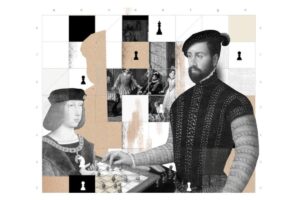
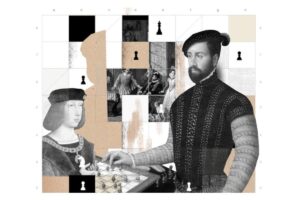
- Ruy López de Segura is recognized as the first professional chess player and the unofficial first world champion.
- He authored the seminal work 'Libro de la invención liberal y arte del juego del Axedrez' in 1561.
- His influence persists today through the Spanish Opening, a cornerstone of elite chess theory.
- Modern research by Daniel and Francisco de Asís Gragera has debunked historical myths regarding his life and origins.
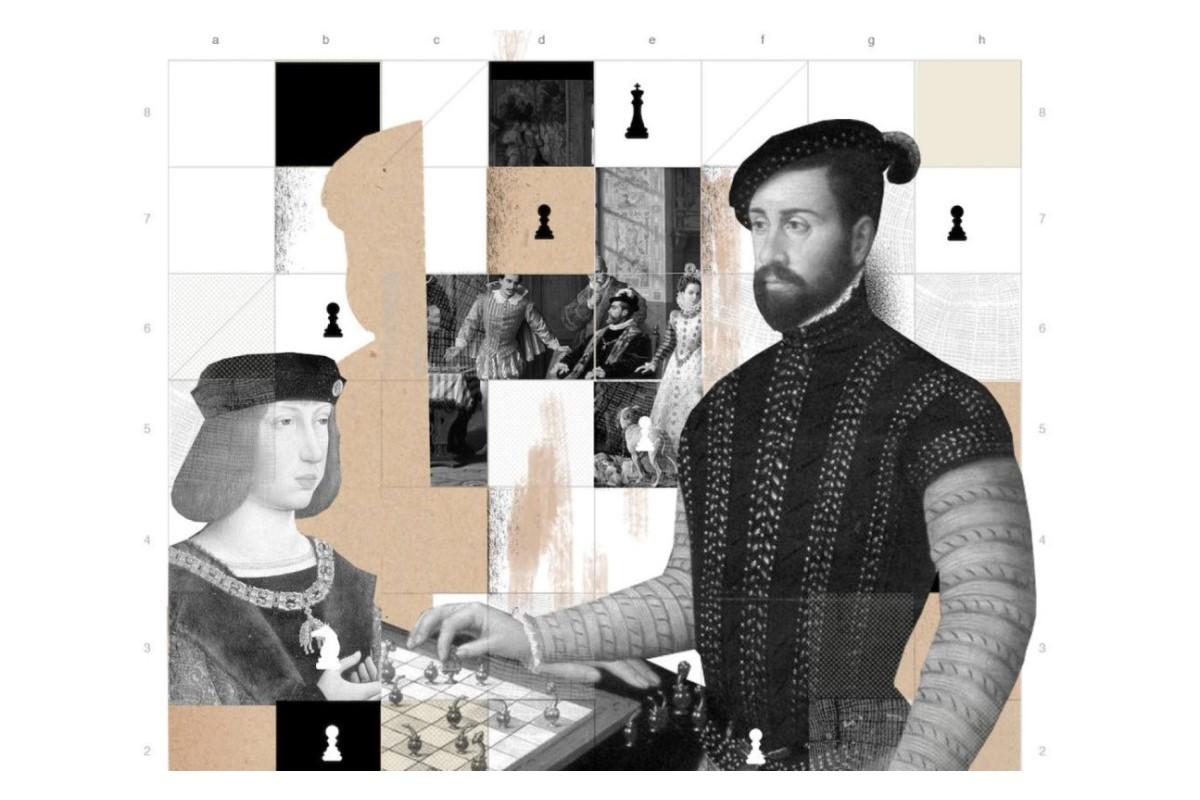
When we dive into the roots of competitive chess, one name stands above the rest from the Renaissance era:
It is quite common to find confusion regarding his identity, with some calling him Ruy López de Sicura or Segura. This linguistic mess is mostly due to the diverse cultural influences in his hometown, where Celts, Romans, and Muslims left their mark. Beyond his ecclesiastical duties as a presbyter of the Order of Saint Benedict, Ruy was a scholar and a grammarian who happened to be the most formidable player of his century, paving the way for everything we know about modern theory.
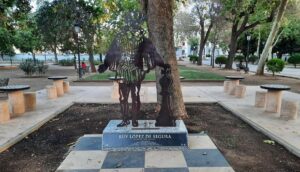
The Unofficial First World Champion
Calling Ruy López the first world champion is a bit of a stretch if we look at modern regulations, since the official title didn’t exist until 1886. However, most historians agree that he held the unofficial crown. This reputation was solidified during his time at the court of King Philip II, a monarch who was obsessed with the game. In 1575, Ruy faced off against the top Italian masters in Madrid, including the famous Leonardo il Puttino, and emerged victorious, proving his superiority on the board.
His dominance wasn’t just based on intuition but on a deep understanding of the game’s logic. In a legendary match against Leonardo il Puttino, Ruy utilized a King’s Gambit—potentially the first time it was used in such a high-stakes setting—to secure a swift victory. The game showed that even a tiny slip-up, like playing 5… dxe5 instead of d5, could lead to an immediate disaster against a player of his caliber.
The Father of Chess Theory
In 1561, Ruy López published his masterpiece, Libro de la invención liberal y arte del juego del Axedrez. This wasn’t just a collection of games; it was the most influential chess book for two centuries, preceding the work of Philidor. In it, he detailed rules and analyzed openings, effectively becoming the father of chess theory. The book was so revolutionary that it was translated into Italian, French, German, and Portuguese, and even influenced the first Russian chess book in 1821.
Interestingly, Ruy’s approach to the game included some psychological warfare. He suggested that if a match took place during the day, the opponent should sit with the sun in their face to distract them. At night, he recommended placing the lamp so the opponent’s hand would cast a shadow over the board. It goes to show that in the 16th century, winning was everything, whether through brilliant moves or cunning distractions.
The Ruy López Opening (The Spanish Game)
The opening that bears his name (1.e4 e5 2.Cf3 Cc6 3.Ab5) is one of the oldest and most analyzed in history. While he didn’t technically invent it, he was the first to analyze it deeply. In the English-speaking world, it is known as the Ruy López, whereas in Spain, it is simply called the Apertura Española. This distinction often stems from a historical desire to decouple the «Spanish brand» from the person, though the opening remains a staple for elite Grandmasters.
- The Main Line: Characterized by the move 3…a6, forcing the bishop to retreat and preparing a fight for the center.
- The Berlin Defense: A rock-solid response (3…Cf6) famously used by Vladimir Kramnik to neutralize Garry Kasparov.
- The Exchange Variation: Where White captures the knight on c6 to create doubled pawns for Black.
- The Marshall Attack: An aggressive gambit where Black sacrifices a pawn for a powerful initiative.
Debunking Myths and Historical Errors
For a long time, Ruy López was a mysterious figure, surrounded by legends. Some claimed he was a bishop or a royal confessor to Philip II, but recent research by Daniel and Francisco de Asís Gragera has cleared the air. Through the analysis of over 700 original documents, they’ve proven that while he was a distinguished cleric, he never held the rank of bishop. They also corrected a long-standing error regarding his family home in Zafra, replacing a misplaced plaque from 1975 with the accurate location in 2025.
There has also been a certain «black legend» or Italian attempt to discredit him. Some Italian authors claimed Ruy simply copied their manuscripts, but historians like José A. Garzón have debunked this. Moreover, the supposed defeat against Leonardo il Puttino in Madrid was a fabrication, likely fueled by a painting by Luigi Mussini created centuries later. According to the Polerio manuscripts, Ruy remained undefeated in those encounters.
A Legacy Beyond the Board
If we look at his skill through a modern lens, AI analysis of his games suggests he would have played at a Grandmaster level, with an estimated ELO of around 2500. This is staggering considering he played in an era where the rules were still evolving. For instance, Ruy preferred the two-move castling process and often used a «King’s jump,» a primitive move where the king could move like a knight or bishop on its first turn to escape mate.
The life of Ruy López is so cinematic that it has the potential for a Netflix-style series. His polemical personality, his tendency to criticize other scholars, and his sudden departure to Peru with his brothers suggest a man of intense passions. He wasn’t just a player; he was a complex intellectual who fought against the limitations of his time to elevate chess to a science.