- Ruy López de Segura is recognized as the first unofficial world chess champion and a pioneering theorist.
- His 1561 treatise established a scientific approach to chess, including psychological tactics and opening analysis.
- The Ruy López (Spanish Opening) is one of the most analyzed and prestigious openings in the history of the game.
- His victory in the 1575 tournament at the court of Philip II cemented his status as the era's premier player.
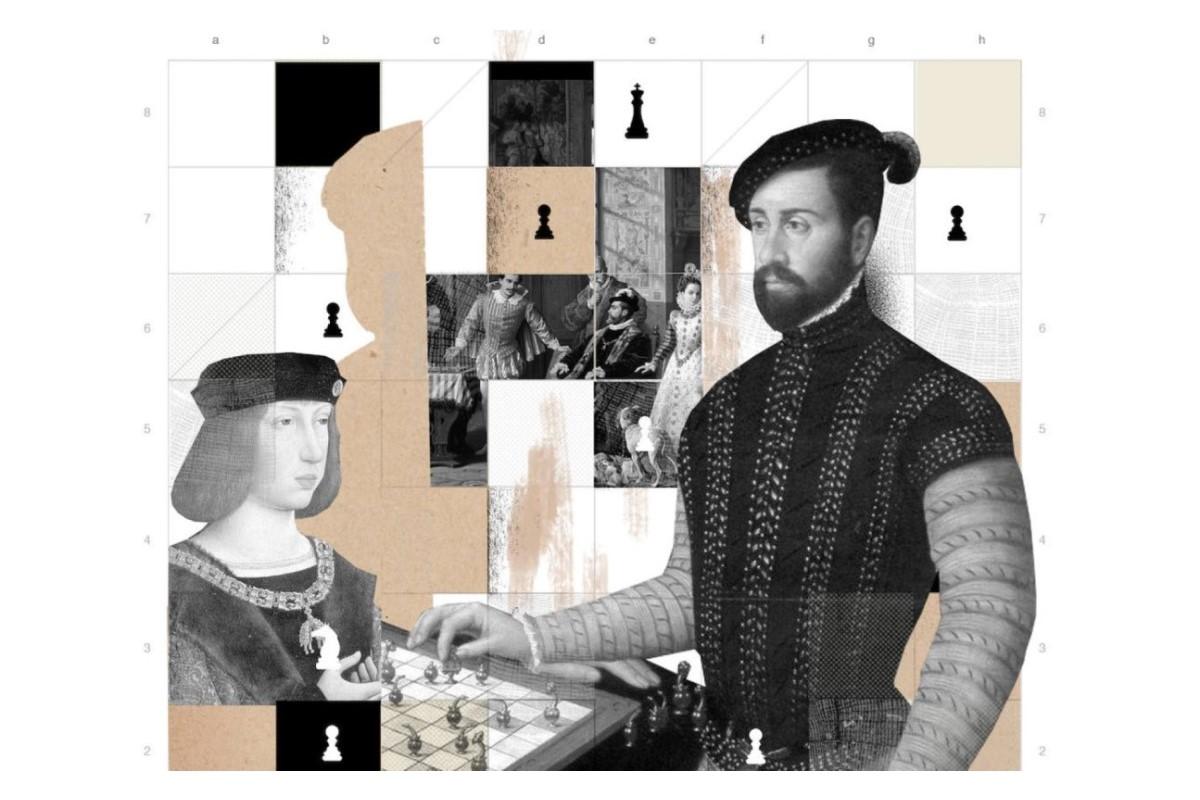
When we dive into the roots of competitive chess, one name consistently pops up as a true trailblazer: Ruy López de Segura. Born around 1540 in the town of Zafra, Extremadura, this Spanish cleric didn’t just play the game; he fundamentally changed how we analyze it. While the concept of a formal world championship didn’t exist back in the 16th century—that wouldn’t happen until Wilhelm Steinitz’s era in 1886—López is widely regarded as the first unofficial world champion due to his absolute dominance over the masters of his time.
His story is a fascinating mix of history and legend, set against the backdrop of a Renaissance revolution in gaming. Before his time, chess was a sluggish affair where the bishop moved only two squares and the queen—then known as the alferza—was practically powerless. The transition to the modern «Mad Queen’s chess,» sparked by poets in Valencia and theorists like Lucena, paved the way for Ruy López to bring a scientific and strategic approach to the board, forever immortalizing his name in the annals of the sport.

The Life and Achievements of the Zafra Cleric
Ruy López was born in a striking building in Zafra, a place that today serves as a reminder of his greatness with a plaque featuring the iconic chess pieces. Not only was he a spiritual leader who achieved the rank of Bishop, but he was also a relentless student of the game. His intellectual curiosity led him to write the «Libro de la Invención Liberal y Arte del Juego del Ajedrez» in 1561, a groundbreaking treatise that attempted to systematize openings and tactical motifs.
One of the most curious aspects of his approach was his belief in psychological warfare. In his writings, López suggested that players should strategically position themselves relative to the light source; for instance, placing the opponent with the sun in their eyes during day games or ensuring the lamp cast a shadow over the opponent’s hand at night. He understood that chess, much like war, required not just a sharp mind but the ability to destabilize the adversary through any means possible.
His fame reached its peak when King Philip II, a massive fan of the game, summoned him to court to face the most prestigious Italian masters. In 1575, López stunned the royal court by winning a high-profile tournament. Interestingly, he didn’t use the opening that now bears his name in that specific clash against Leonardo il Puttino; instead, he unleashed what is considered the first King’s Gambit in recorded competitive history, crushing the Italian champion in a brief but devastating game.
Unpacking the Ruy López Opening
Known globally as the Spanish Opening, the Ruy López begins with the moves 1.e4 e5 2.Nf3 Nc6 3.Bb5. While Ruy López himself didn’t invent the sequence, his detailed analysis in the 16th century gave it the theoretical depth it needed to become a staple of elite play. The core idea is to put immediate pressure on the knight that defends the e5 pawn, fighting for central dominance and preparing a quick kingside castle.
Because the opening often leads to a slow, grinding struggle for the center, some players jokingly refer to it as the «Spanish Torture.» It is highly flexible, allowing for both sharp tactical skirmishes and long-term positional maneuvering. However, the sheer volume of theory involved can be a daunting challenge for beginners, as the black pieces have a vast array of defensive setups to choose from.
- Main Line: Characterized by 3…a6 and 4.Ba4, leading to a complex struggle for central control.
- Closed Variation: Where black plays 5…Be7, keeping the position solid and maintaining the bishop chain.
- Berlin Defense: A rock-solid response often leading to an early queen exchange, famously used by Kramnik to neutralize Kasparov.
- Exchange Variation: White captures on c6 to double black’s pawns, aiming for a favorable endgame.
- Open Variation: Black plays 5…Nxe4, sacrificing space for immediate activity.
- Schliemann-Jaenisch Gambit: An aggressive counter-attack starting with 3…f5 to unbalance the game.
- Marshall Attack: A daring pawn sacrifice by black to launch a blistering attack against the white king.
Strategic Depth and Modern Influence
The legacy of the Spanish Opening continues today, as it remains a primary weapon for World Championship contenders. From the legendary clashes between Lasker and Capablanca to the modern rivalry of Karpov and Kasparov, the Ruy López has proven to be an enduring test of a player’s strategic stamina. The opening’s ability to evolve—from the early treatises of a Spanish bishop to the computer-analyzed lines of the 21st century—shows that the foundations laid in 1561 were remarkably forward-thinking.
For those looking to combat this opening, the choice usually boils down to a philosophical preference. Those who value safety and stability tend to gravitate toward the Berlin Defense, while the more combative souls might opt for the Archangel Variation, which opens up the board and utilizes the bishop pair to create chaotic counterplay. Regardless of the choice, facing the Ruy López requires a deep understanding of positional pressure and precise calculation.
The figure of Ruy López de Segura stands as a bridge between the medieval pastime and the professional sport we know today. By treating chess as a subject of rigorous study and analysis, he paved the way for every grandmaster who followed. His journey from the streets of Zafra to the royal courts of Madrid reflects a passion for excellence that still echoes every time a player moves their bishop to b5, initiating one of the most prestigious battles in the history of the 64 squares.