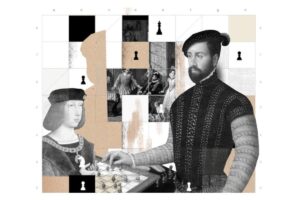
- Recognized as the first unofficial world champion and a pioneer of chess theory in the 16th century.
- Author of the influential treatise Libro de la invencion liberal arte del juego del Axedrez.
- A polymath priest from Zafra whose legacy lives on through the famous Spanish Opening.
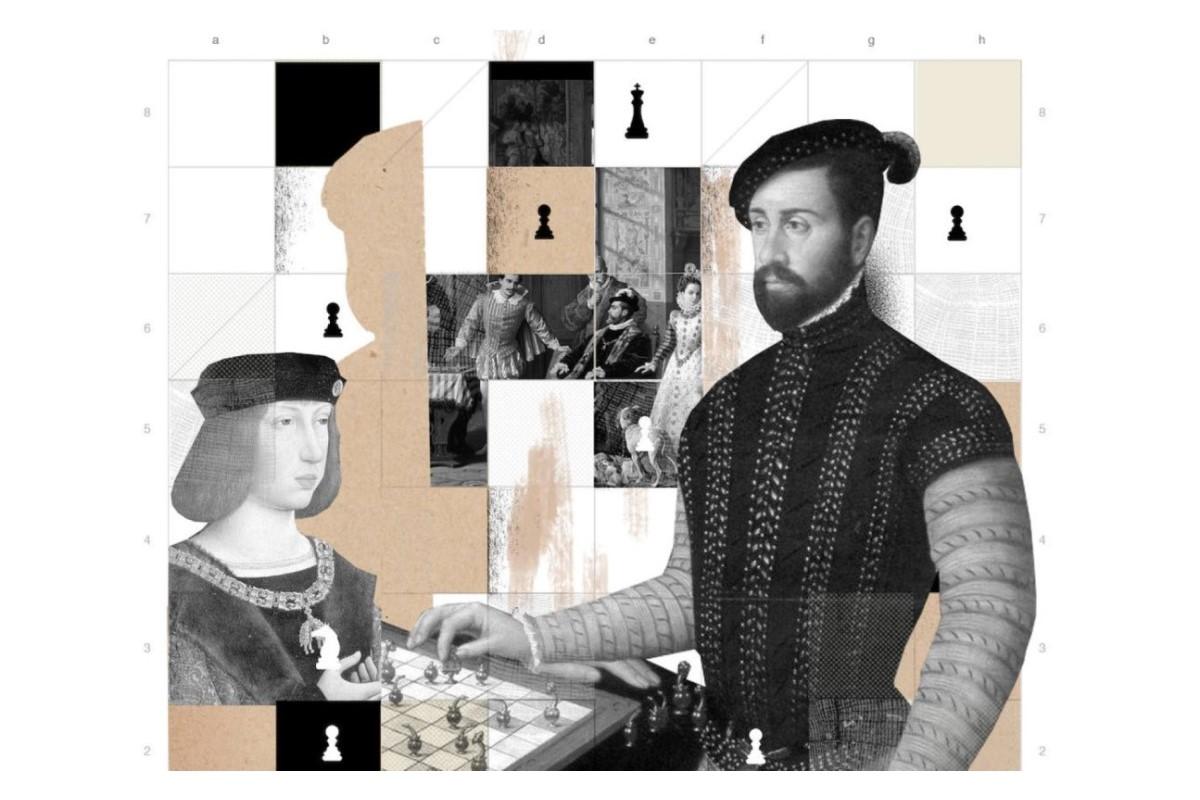
When people hear the name Ruy Lopez, they usually think of a specific sequence of moves on a board, but there was a fascinating man behind the opening. Born around 1540 in the town of Zafra, Extremadura, this Spanish priest wasn’t just a man of faith, but a true intellectual powerhouse who dominated the chess world during the Renaissance.
It’s quite a trip to realize that while we have modern rankings, Ruy Lopez played in an era where professionalism in chess was just starting to bud. He became a legendary figure not only for his skill in battle but for his ability to codify the game, essentially becoming the first unofficial world champion long before official titles existed.
The Life and Legacy of a Polymath
Ruy Lopez de Segura was much more than a gamer. He was a highly educated cleric, a bachelor of arts, and a scholar known for his mastery of grammar and various languages. His intellectual curiosity led him to explore multiple fields, making him a multifaceted personality of the 16th century. Although some legends claim he was a close advisor or confessor to King Philip II, historical evidence suggests he was primarily a presbyter of the Order of Saint Benedict.
One of the most intriguing parts of his life is the mystery surrounding his home. For decades, a plaque in Zafra pointed to the wrong house, but thanks to exhaustive research by Daniel and Francisco de Asís Gragera, the actual family residence was located using 16th-century archives. This level of dedication shows that while he is a global icon in chess, he remains a relatively unknown figure in broader historical contexts.
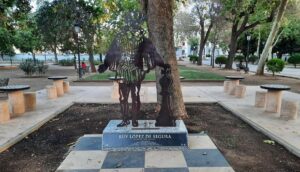
The Father of Chess Theory
In 1561, Lopez published his masterpiece, Libro de la invención liberal arte del juego del Axedrez. This wasn’t just a hobbyist’s guide; it was the most significant chess book for two centuries until Philidor arrived on the scene. He meticulously analyzed openings and rules, effectively earning him the title of the father of game theory. His work was so influential that it was translated into German, French, Italian, and Portuguese, and even influenced the first Russian chess book in 1821.
What’s funny is that Lopez didn’t just focus on the logic of the game, but also on psychological warfare. He famously suggested that if you play during the day, you should position the board so the sun shines directly into your opponent’s eyes to distract them. At night, he recommended placing the lamp to the right of the adversary so their own hand would cast a shadow. It goes to show that in the 16th century, winning was everything, regardless of whether you were a priest.
The First Unofficial World Champion
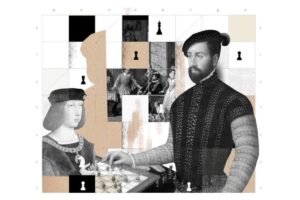
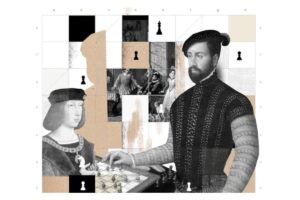
The peak of his fame came when King Philip II invited him to court to face the best masters from Italy. In a series of matches, specifically around 1575, Lopez proved his superiority. He is widely regarded as the first professional player in history because he could dismantle his rivals with ease. While Italian historians of the time tried to downplay his achievements to protect their own national pride, the manuscripts of Polerio suggest that Lopez was virtually unbeatable.
One of his most famous encounters was against Gio. Leonardo da Cutri, also known as ‘Il Puttino’. While some later paintings erroneously showed the Italian winning, the records show that Lopez remained the dominant force. His level of play, when analyzed through modern lenses and AI, is estimated to be equivalent to a Grandmaster with an ELO around 2500, which is staggering for the 1500s.
Evolution of the Game and the Spanish Opening
The game Lopez played was in a state of transition. The modern moves of the Queen and Bishop had only recently been established through works like Scachs d’amor and the treatises of Lucena. Lopez pushed these new rules further, though he had some quirky preferences. For instance, he preferred the castling move to take two separate turns rather than one, and he frequently used the ‘king jump’, a primitive rule that allowed the king to move like a knight or bishop on its first move to escape checkmate.
- The Spanish Game: Known as the ‘Ruy Lopez’ worldwide, but called the ‘Spanish Opening’ in Spain.
- Strategic Influence: His focus on the 3. Bb5 move changed the way players approached the center.
- Theoretical Foundation: He moved chess from simple intuition to a structured analysis.
The distinction between calling it the ‘Spanish Opening’ or the ‘Ruy Lopez’ actually reflects a bit of geopolitical tension from the era. During the Spanish Empire’s height, other nations often avoided the ‘Spanish’ label, opting instead to name the opening after the first true professional. Today, this terminology persists in everything from academic studies to popular culture, such as in the series The Queen’s Gambit.
Ruy Lopez de Segura remains a towering figure who bridged the gap between the medieval approach to chess and the modern strategic era. By combining rigorous study with competitive brilliance, he transformed a courtly pastime into a professional pursuit, leaving behind a theoretical legacy that players still study and employ on the 64 squares today.