- Ruy López de Segura is widely recognized as the first unofficial world champion of chess after his 1575 victory.
- He authored the influential 1561 treatise Libro de la Invención Liberal y Arte del Juego del Ajedrez.
- The Spanish Opening, though not his invention, bears his name due to his extensive early analysis of the system.
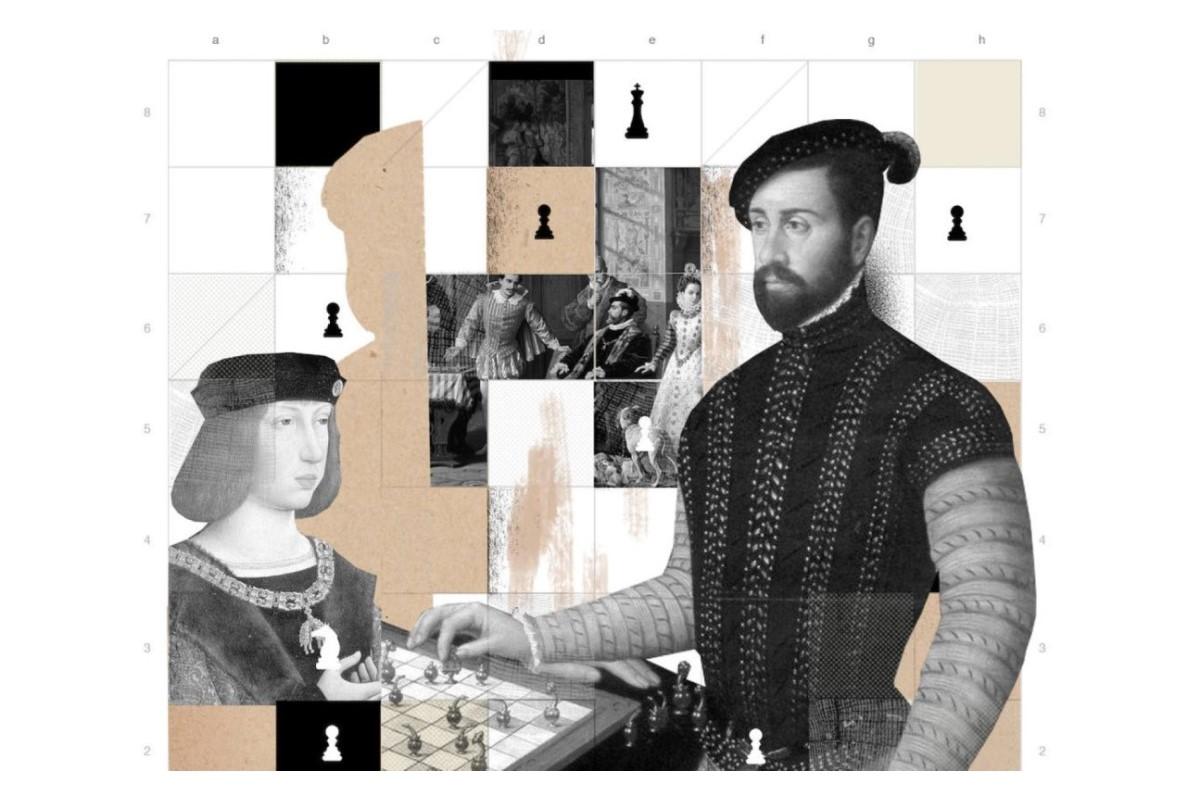
When we talk about the roots of professional chess, one name inevitably pops up: Ruy López de Segura. Born around 1540 in the town of Zafra, Extremadura, this extraordinary clergyman didn’t just play the game; he helped shape how we understand it today. There is often a bit of a mix-up with his last name—some call him Sicura and others Segura—but that is mostly due to the diverse cultural layers of his homeland, where Celts, Romans, and Moors all left their mark.

Beyond his brilliance at the board, Ruy López was a man of status who eventually attained the position of Bishop. His family’s influence was significant, as seen in his brother Alonso’s decision to turn their family home into a hospital for the convalescent. While most people today associate him with a specific set of moves, he was far more than just a namesake for an opening; he was a true pioneer of chess literature and strategy during the Renaissance.
The First World Champion and His Writings
Long before the official World Championship title was established in 1886 with Wilhelm Steinitz, Ruy López was already seen as the top player on the planet. His fame grew significantly when King Philip II, a massive chess enthusiast, invited him to court to compete against the most prestigious Italian masters of the era. In 1575, after winning this international clash, he earned the unofficial title of the first world champion, a feat he solidified two years later by triumphing again in Rome.
But he wasn’t just about winning games; he wanted to systematize the sport. In 1561, he published the Libro de la Invención Liberal y Arte del Juego del Ajedrez. This wasn’t just a book of moves, but a deep dive into motivating plays and studying openings. He even included some pretty quirky advice to give himself an edge, suggesting that if a match took place during the day, the opponent should face the sun to be blinded by the glare, or if it was night, the light should be on the opponent’s right so their own hand would cast a shadow over the board.
The Evolution of the Modern Game
To appreciate Ruy López’s impact, we have to realize that chess was a totally different beast in the 15th century. The bishop only jumped two squares, and the queen didn’t even exist—instead, there was a piece called the alferza that moved very slowly. This slow pace made chess a popular tool for courtship among the nobility. The game we recognize today only began to take shape around 1475 with the publication of ‘Scachs d’amor’, which introduced the modern movements of the queen.

Following this revolution, other key works like the 1495 treatise by Francesc Vicent and Lucena’s 1497 guide laid the groundwork for modern theory. Ruy López entered the scene just as this renaissance of chess was peaking, allowing him to take the existing rules and push them toward a more analytical and professional approach.
Decoding the Spanish Opening
Although the opening that carries his name (1.e4 e5 2.Cf3 Cc6 3.Ab5) wasn’t actually invented by him, it became his legacy because he was the first to analyze it so thoroughly. Known as the Ruy López or the Spanish Game, it remains one of the most respected and complex openings in the world. The main goal for white is to put pressure on the knight at c6, indirectly threatening the e5 pawn and fighting for central dominance.
Depending on how black responds, the game can go in several wild directions:
- The Main Line: Black plays 3…a6, prompting the bishop to retreat to a4, leading to a long-term battle for the center.
- The Closed Variation: Black places the bishop on e7, keeping a solid structure.
- The Berlin Defense: A rock-solid approach often leading to early queen exchanges, famously used by Kramnik to challenge Kasparov.
- The Exchange Variation: White captures the knight on c6 to double black’s pawns, aiming for a favorable endgame.
- The Open Variation: Black captures on e4 to gain active piece play.
- Schliemann-Jaenisch Gambit: An aggressive counter-attack using f5 to shake things up immediately.
- Marshall Attack: A bold sacrifice of a pawn to launch a devastating assault on the white king.
A Historic Clash: Ruy López vs. Leonardo il Puttino
One of the most legendary moments in his career happened in Madrid in 1575. While the world knows him for the Spanish Opening, he actually shocked the court by playing the first King’s Gambit in history during a competition. He faced Leonardo il Puttino, the Italian champion, and absolutely crushed him in a brief but brilliant game. This match proved that even a slight tactical error (like playing 5…dxe5 instead of 5…d5) could lead to an immediate disaster against a master of his caliber.
This specific victory cemented his status as the premier player of his time and showed his willingness to experiment with aggressive tactics long before the era of modern grandmasters. His ability to combine deep theoretical knowledge with practical, psychological warfare made him a formidable opponent.
From his birth in Zafra to his intellectual contributions in his famous treatise, Ruy López de Segura transformed a royal pastime into a rigorous mental discipline. By bridging the gap between the medieval game and the modern era, he established the foundations of strategic analysis and competitive play that continue to influence every grandmaster and amateur who sits down at a chessboard today.