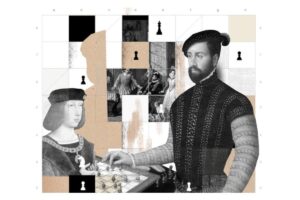
- Ruy López de Segura is recognized as the first unofficial world chess champion after defeating Italian masters in 1575.
- He authored the influential treatise 'Libro de la Invención Liberal y Arte del Juego del Ajedrez' in 1561.
- Although the Spanish Opening bears his name, he is also credited with playing the first historical King's Gambit in a major competition.
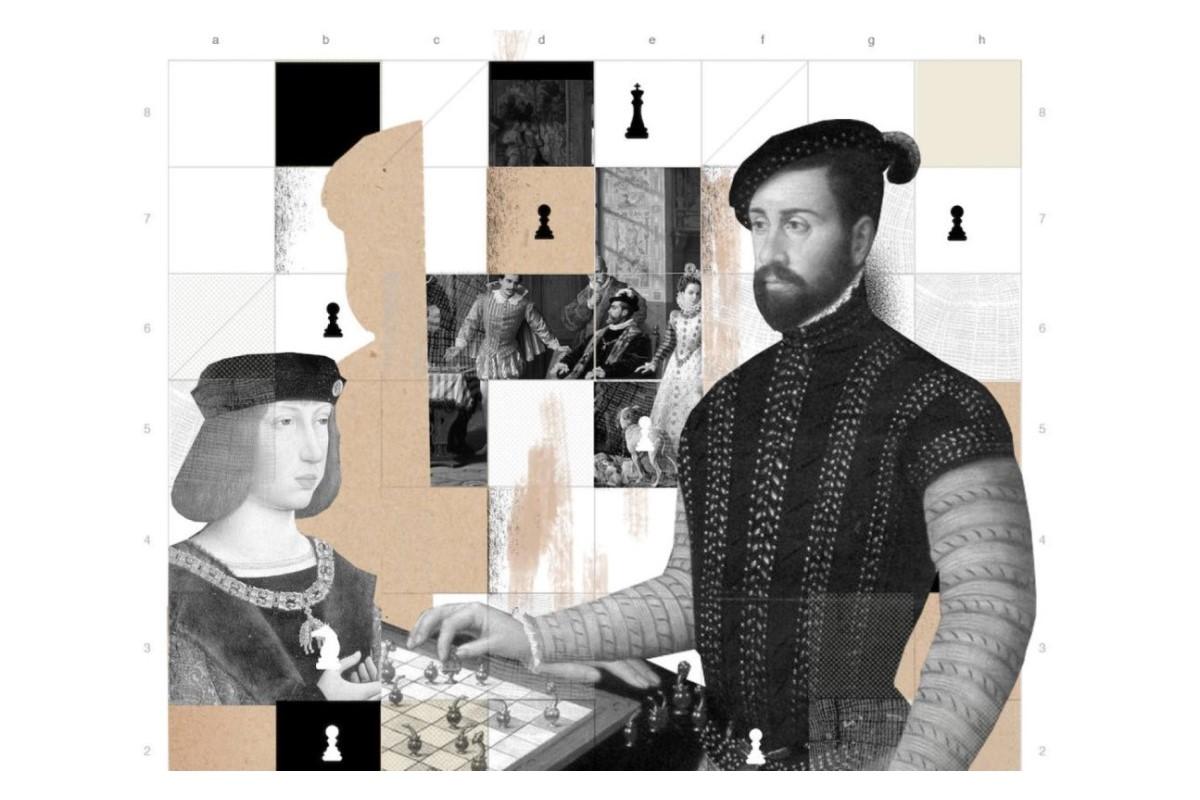
When we dive into the roots of modern chess, one name consistently pops up: Ruy López de Segura. Born around 1540 in Zafra, Extremadura, in the street now known as Tetuán, this extraordinary figure wasn’t just a clergyman but a true pioneer who helped shape the game as we know it. Whether you call him López de Sicura or Segura, the name refers to the same brilliant mind who navigated the complex social and cultural blend of medieval Spain to reach the heights of intellectual and sporting prestige.
It is a bit of a trip to realize that during his time, the chess revolution was just hitting its stride. Before the late 15th century, the game was a snail’s pace; the bishop only jumped two squares and the queen—as we know her—didn’t even exist, replaced by a much weaker piece called the alferza. Everything changed with the «axedres de la dama» and the influence of poets and theorists like Lucena, setting the stage for a virtuoso like Ruy López to emerge and dominate the board.

A Man of Faith and Strategy
Beyond the 64 squares, Ruy López led a life of significant social standing, eventually attaining the rank of Bishop. This high social status was likely bolstered by his family’s influence, which also led his brother, Alonso, to establish a convalescent hospital in their family home. This house in Zafra remains a landmark today, adorned with a plaque featuring chess pieces that honors the man who would become an unofficial world champion long before formal titles were ever created.
His intellectual curiosity led him to pen the Libro de la Invención Liberal y Arte del Juego del Ajedrez in 1561. This wasn’t just a manual; it was a deep dive into the logic of the game, where he attempted to rationalize openings and motivate specific moves. Interestingly, he didn’t shy away from a bit of psychological warfare. He suggested that if you played during the day, you should position your opponent so the sun blinded them, and at night, place the lamp so their own hand cast a shadow over the pieces. Talk about playing hardball!
The Royal Court and Global Dominance
The Spanish royal court, particularly under King Philip II, was a hub for chess enthusiasts. In 1575, the King invited Ruy López to Madrid to face off against the most prestigious Italian masters of the era. This tournament is widely seen as the birth of the first world champion, as the Spanish cleric emerged victorious, proving his superiority on a grand stage. He didn’t stop there; just two years later, he traveled to Rome and once again triumphed over the best players of his generation.
While most people associate him with the Spanish Opening (1.e4 e5 2.Nf3 Nc6 3.Bb5), it’s a common misconception that he invented it. However, he certainly popularized and refined the theory behind it. During his legendary match against Leonardo il Puttino, the Italian champion, López shocked the court by deploying a move that was practically unheard of at the time: the first King’s Gambit in history. This daring strategy showcased his willingness to innovate and take risks to secure a win.
- The Historic Game: Ruy López vs. Leonardo il Puttino (Madrid, 1575).
- The Sequence: 1.e4 e5 2.f4 d6 3.Bc4 c6 4.Nf3 Bg4 5.fxe5 dxe5 6.Bxf7+ Kxf7 7.Nxe5+ Ke8 8.Qxg4 Nf6 9.Qe6+ Qe7 10.Qc8+ Qd8 11.Qxd8+ Rxd8 12.Nf7+ Resigns (1-0).
This specific victory was a masterclass in how a slight inaccuracy—such as playing 5… dxe5 instead of the safer 5… d5—can lead to a total collapse. It remains a testament to the precision and tactical depth that Ruy López brought to the game, effectively bridging the gap between the medieval era and the modern competitive spirit.
The influence of this 16th-century priest extends far beyond his own era, as his theories were critical of predecessors like Pedro Damiano and laid the groundwork for centuries of study. From the streets of Zafra to the royal palaces of Madrid and Rome, his journey from a local cleric to the foremost chess authority of his time is a story of intellect, ambition, and a touch of mischief. His legacy lives on every time a player pushes their bishop to b5, keeping the memory of the first great champion alive.