- Ruy López de Segura is widely recognized as the first world champion and a pioneer in chess theory.
- He authored the influential book 'Libro de la Invención Liberal y Arte del Juego del Ajedrez' in 1561.
- The Ruy López opening, or Spanish Game, remains one of the most studied and played systems in elite chess.
- López's victory over Leonardo il Puttino in 1575 marked a milestone in early competitive chess.
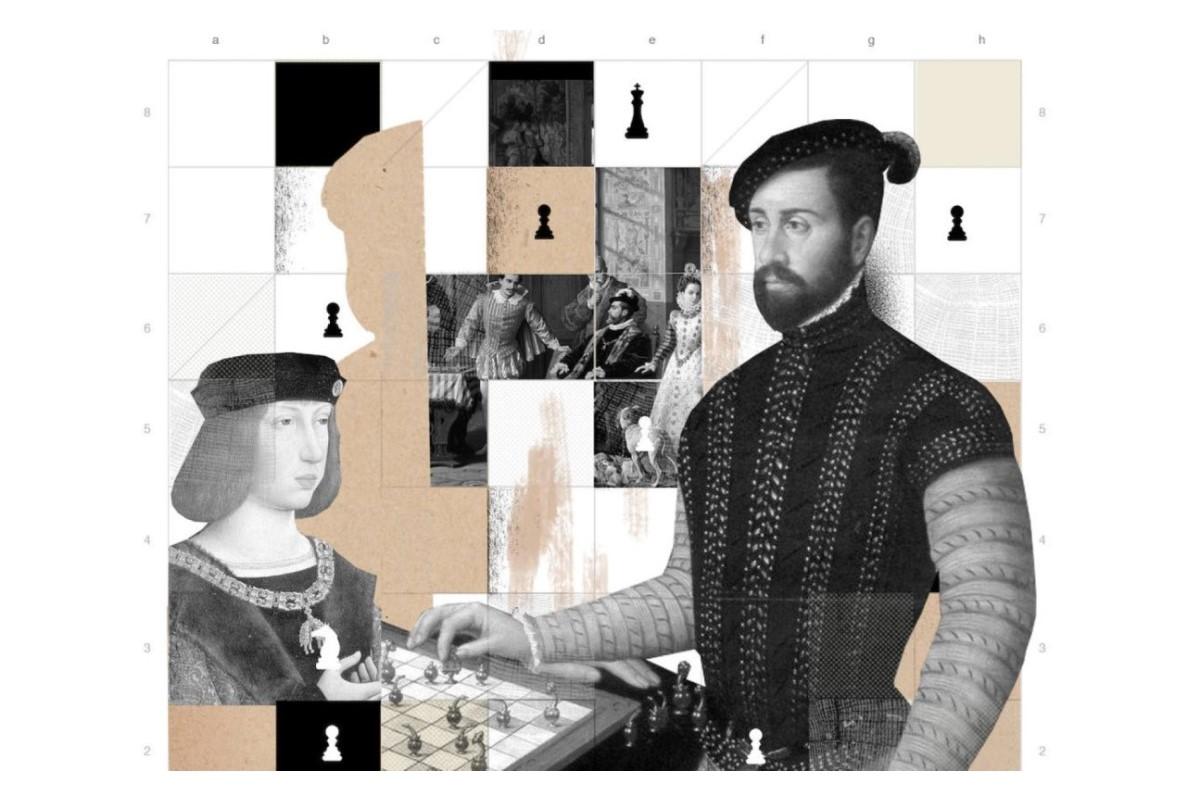
When we dive into the roots of competitive chess, one name stands out above the rest: Ruy López de Segura. Born around 1540 in the town of Zafra, specifically on Tetuán Street in Extremadura, this man wasn’t just a random player but a true visionary who shaped how we perceive the game today. While some folks argue about whether his last name was Segura or Sicura, it’s mostly a reflection of the diverse cultural layers—Celts, Romans, Moors, and Christians—that passed through his homeland, leaving a trail of beautiful architecture and shifting names.
Beyond his skills on the 64 squares, López was a man of high social standing, eventually attaining the rank of Bishop. This influence not only helped his personal prestige but also benefited his family; for instance, his brother Alonso transformed their family home into a hospital for the convalescent. It’s a fascinating blend of spiritual devotion, social charity, and an obsessive passion for strategic combat that defines the man behind the most famous opening in chess history.
The First World Champion and Master Theorist
Many people today associate his name exclusively with the «Spanish Opening,» but Ruy López was far more than a namesake for a set of moves—which, interestingly, he didn’t even invent. He is widely hailed as the first world champion in history and one of the most brilliant theorists the game has ever seen. In 1561, he put his knowledge on paper with the «Libro de la Invención Liberal y Arte del Juego del Ajedrez,» a work that sought to move chess away from mere intuition and toward a structured, analytical science.
López didn’t just study positions; he was a bit of a prankster when it came to psychology. In his writings, he suggested some pretty cheeky tactics to rattle an opponent. For example, he advised that if you played during the day, you should seat your rival with the sun in their eyes to distract them. If the game happened at night, the lamp should be placed to the right of the opponent so their own hand would cast a shadow on the board. Clearly, for the Bishop, winning was the only thing that mattered, and he treated the chessboard like a real battlefield.
The Royal Court and the Historic Clash
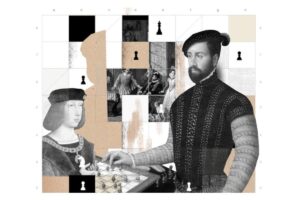
His fame reached the ears of King Philip II, a huge chess enthusiast who invited López to court to face off against two Italian masters. This event, held in 1575, is often seen as the birth of the first international championship. The cleric from Extremadura emerged victorious, cementing his status as the top player of his era. He didn’t stop there, as he later traveled to Rome, where he once again triumphed over the best players of the time.
One of the most shocking moments of his career happened during those Madrid matches against the legendary Leonardo il Puttino. Instead of sticking to the usual lines, López surprised everyone by playing the first King’s Gambit in a high-level competition. The resulting game was a masterclass in precision; after a critical error by the Italian (5… dxe5 instead of 5… d5), López delivered a swift blow, ending the game in just 12 moves. This victory proved that even the slightest mistake at a high level can lead to an immediate disaster.
Understanding the Ruy López Opening
The opening that bears his name, also known as the Spanish Game, starts with the moves 1.e4 e5 2.Cf3 Cc6 3.Ab5. The main goal for White is to put immediate pressure on the knight at c6, which indirectly threatens the black pawn on e5. It is a flexible system that can lead to wild tactical brawls or a slow, agonizing grind for the center—the latter is why some players jokingly call it the «Spanish Torture.»
Depending on how Black responds, the game can take several paths:
- Main Line: Black plays 3…a6 to kick the bishop, leading to a complex fight for central control.
- Closed Ruy López: Black develops the bishop to e7, keeping the position solid and maneuvering for advantage.
- Berlin Defense: Known as the «Berlin Wall,» this is a rock-solid choice that often leads to an early queen trade and a drawish outcome.
- Exchange Variation: White captures the knight on c6 to double Black’s pawns, aiming for a favorable endgame.
- Open Ruy López: Black plays 5…Cxe4, trading space for active piece play.
- Schliemann-Jaenisch Gambit: A hyper-aggressive approach where Black plays 3…f5 to create immediate chaos.
- Marshall Attack: A brilliant gambit where Black sacrifices a pawn to launch a devastating attack against the white king.
Evolution of the Game from Medieval to Modern
To appreciate López’s contribution, we have to realize that chess was totally different back then. Until the late 15th century, the bishop only jumped two squares and the queen—or alferza—could only move one square diagonally. The games were painfully slow, often used as a metaphor for courtship between lovers. The revolution happened around 1475 with the «Scachs d’amor,» which introduced the modern queen’s movement, paving the way for the dynamic game we love today ‘.
Before Ruy López arrived, other pioneers like Lucena and Francesc Vicent had already started documenting the rules of this «new» chess. López took that foundation and elevated it, combining deep analysis with practical psychology. While the official world title wasn’t established until Wilhelm Steinitz won in 1886, the informal crown of the 16th century undoubtedly belonged to the Bishop of Zafra.
The story of Ruy López is a testament to how a single individual can bridge the gap between a hobby and a professional discipline. From his controversial advice on lighting to his tactical brilliance against the Italians and his lasting influence on opening theory, he remains the ultimate patriarch of the game. His legacy lives on every time a player moves their bishop to b5, continuing a tradition of strategic excellence that has survived for nearly half a millennium.