- Ruy López de Segura is widely regarded as the first unofficial world champion and a pioneering chess theoretician from Zafra.
- The Spanish Opening, or Ruy López, remains one of the most prestigious and analyzed systems in modern chess history.
- The evolution of the game transitioned from a slow medieval pace to the dynamic modern era through early treatises and the introduction of the powerful Queen.
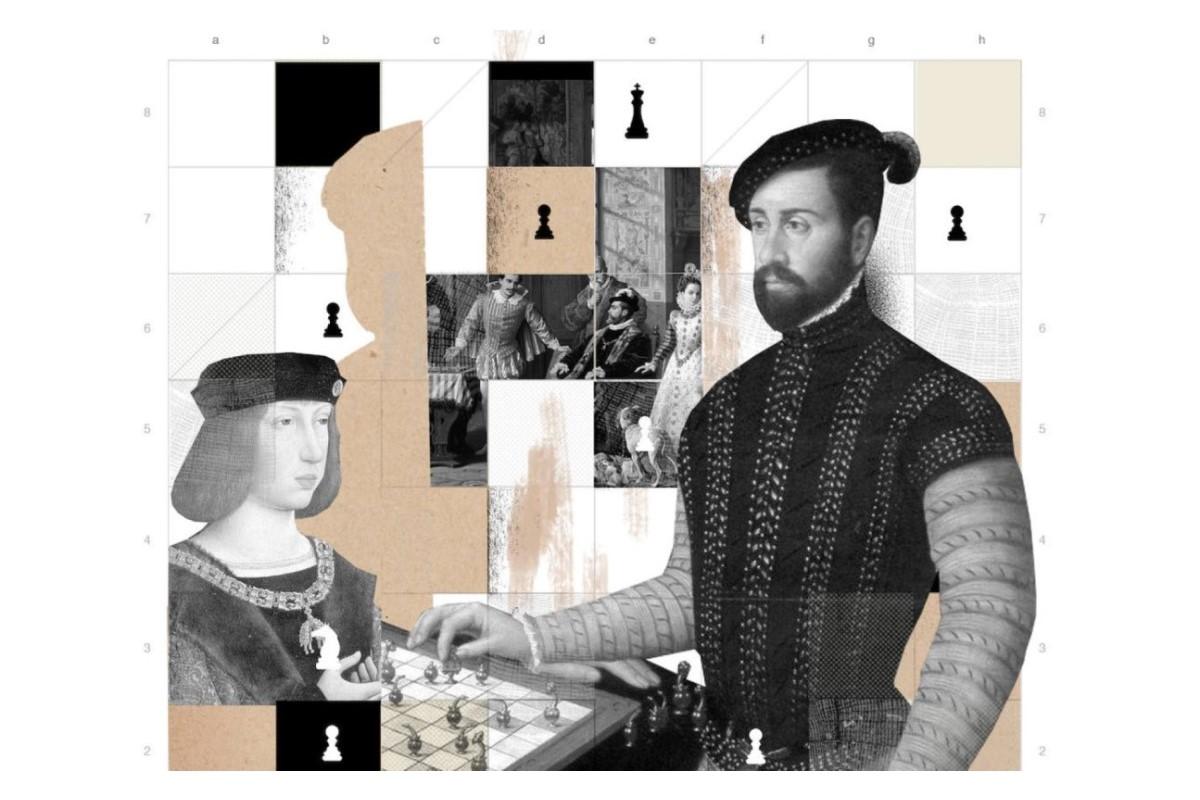
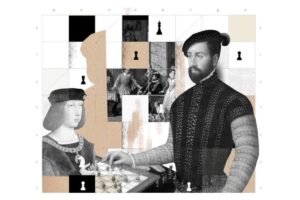
When we dive into the roots of competitive chess, one name stands out as a true titan of the Renaissance: Ruy López de Segura. Born around 1540 in Zafra, Spain, specifically in the building that once served as the hospital of San Ildefonso, this cleric isn’t just a historical footnote but is often hailed as the first unofficial world champion. While official titles didn’t exist until Steinitz claimed the crown in 1886, López’s influence on the game was so profound that he laid the groundwork for everything we know about high-level strategy today.
It is quite a shame that his legacy isn’t as widely celebrated in Spain as it might be in other European nations, but for any chess enthusiast, his contributions are legendary. He emerged at a pivotal moment when the game was undergoing a radical transformation, moving away from the sluggish pace of the Middle Ages toward the explosive and tactical nature of the modern era, where pieces like the Queen began to dominate the board.
The Evolution of Modern Chess
To really get why Ruy López was such a big deal, we have to look at how the game used to be. Back in the 15th century, chess was a slow burn; the bishop only jumped two squares, and the queen didn’t even exist as we know it. In her place was the alferza, a piece that could only move one square diagonally. This made games last forever, often serving as a romantic backdrop for courting in royal courts.
Everything changed around 1475 with a poetic work called Scachs d’amor, written by three Valencian poets. This text essentially birthed the modern Queen and the current rules of movement. Shortly after, authors like Lucena and Francesc Vicent published treatises that codified these changes. Ruy López stepped onto the scene just as this chess revolution was settling in, blending the artistic spirit of the Renaissance with a rigorous analytical approach to the 64 squares.
Breaking Down the Ruy López Opening
Known formally as the Spanish Opening, the Ruy López is a cornerstone of elite chess. It kicks off with the moves 1.e4 e5 2.Cf3 Cc6 3.Ab5. The core idea here is a clever bit of pressure: by placing the bishop on b5, White isn’t just developing a piece but is attacking the knight on c6, which is the primary defender of the e5 pawn. It’s a subtle way of fighting for the center while preparing for a quick kingside castle.
Many players call this opening the «Spanish Torture» because it often creates a long-term positional squeeze that can be maddening for Black to withstand. While it is incredibly flexible and can lead to wild tactical brawls, it usually settles into a strategic battle for the center and subsequent flank attacks. The only real downside is that the theoretical depth is staggering; you practically need a PhD in chess to know every single line.
Key Variations and Strategies
- The Main Line: This is the classic route where Black plays 3…a6 to kick the bishop, leading to a protracted struggle for central dominance.
- The Closed Variation: Here, Black tucks the bishop away on e7, creating a solid defensive structure and preparing for a more maneuvering game.
- Berlin Defense: Often dubbed the «Berlin Wall,» this is a rock-solid response where players frequently trade queens early, sacrificing the right to castle for a powerful pair of bishops.
- Exchange Variation: White captures the knight on c6 immediately, forcing Black to have doubled pawns on the c-file, which can be a huge advantage in the endgame.
- Open Variation: A more aggressive approach where Black captures the e4 pawn, trading space for active piece play and immediate counter-attacks.
- Schliemann-Jaenisch Gambit: For those who love chaos, this involves an early f5 push, creating unbalanced positions that are a nightmare for both sides to navigate.
- Marshall Attack: A brilliant gambit where Black sacrifices a pawn to launch a devastating assault on the white king, first famously used against Capablanca.
How to Combat the Spanish Opening
If you find yourself on the receiving end of the Ruy López, you have a choice between being a fortress or a fireball. The Berlin Defense is your best bet if you want a draw or a very stable game; it’s the same line Vladimir Kramnik used to dethrone Garry Kasparov back in 2000. Statistically, it’s incredibly hard to crack, with a high percentage of draws.
On the other hand, if you’re feeling spicy, the Archangel Variation is a fantastic choice. It’s designed for tactical players who want to use their bishop pair to create mayhem. While it’s riskier than the Berlin, it offers Black a much better chance of playing for a win rather than just surviving the encounter.
The enduring popularity of this opening, first detailed by Ruy López de Segura in his 1561 book Libro de la invención liberal y arte del juego del ajedrez, proves that fundamental logic transcends time. From the legendary clashes of Lasker and Capablanca to the modern battles between Kasparov and Karpov, the Spanish Opening remains the gold standard for testing a player’s strategic depth and mental resilience.