- The fundamental distinction between tactical sacrifices for immediate gain and positional sacrifices for long-term strategic dominance.
- The variety of positional goals, including securing the initiative, destroying defensive structures, and clearing key squares.
- The critical role of intuitive evaluation and the sacrifice of quality as a tool for neutralizing opponents.
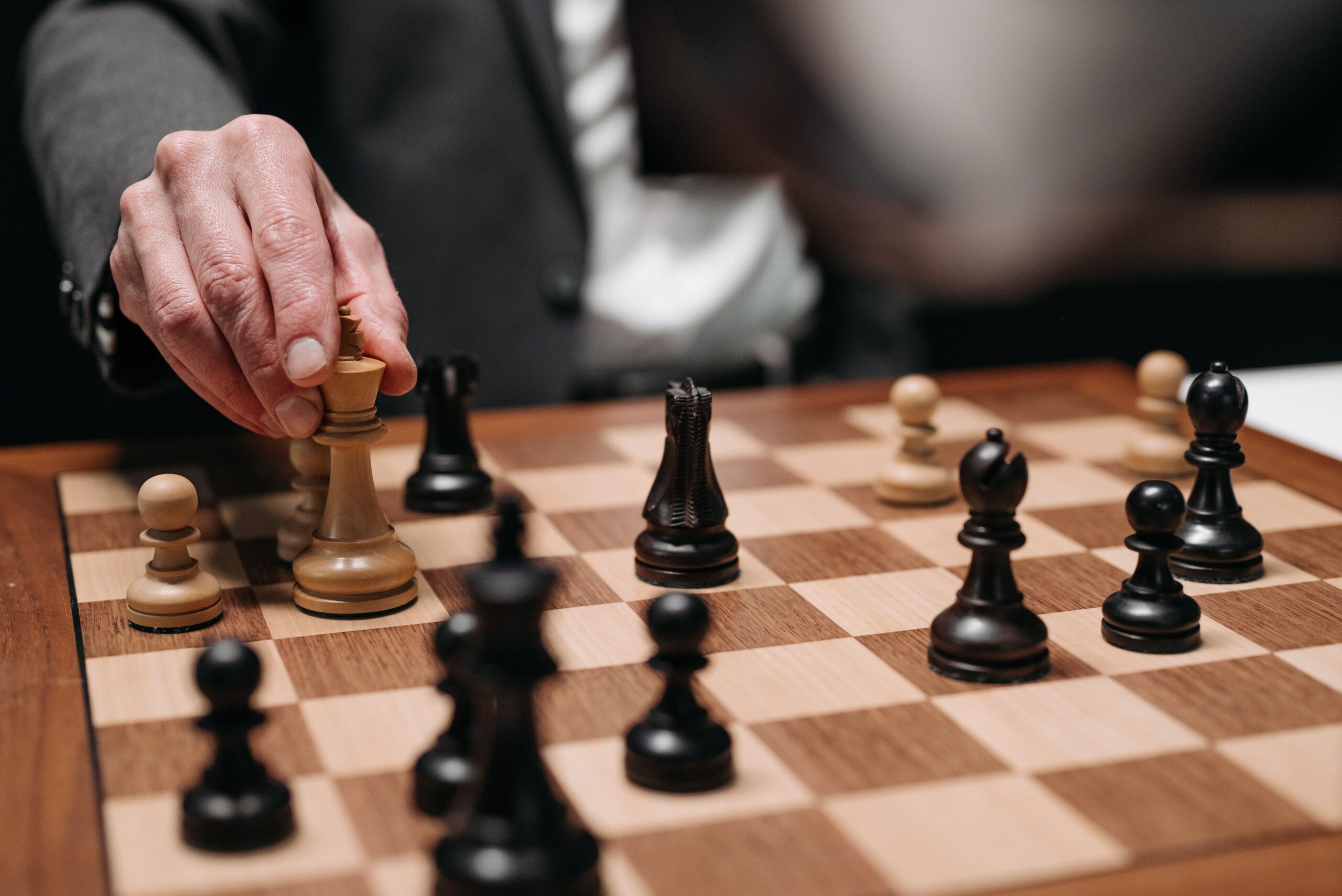
In the complex realm of chess, the act of giving up material is often seen as a high-stakes gamble. While most casual players view a sacrifice as a direct path to a quick checkmate or winning back a bigger piece, there is a far more
Mastering this concept requires a shift in mindset, moving away from concrete calculation toward intuitive strategic evaluation. Instead of looking for a forced sequence of moves, the player seeks to improve their overall coordination, weaken the enemy’s structure, or seize control of the game’s tempo, essentially trading raw material for invisible but decisive strengths.
Tactical vs. Positional Sacrifices: What’s the Difference?
To truly get a grip on this, we first have to distinguish between tactical and positional plays. A tactical sacrifice is a straightforward trade; you give something up to get something better immediately. Think of the
On the flip side, a positional sacrifice is a completely different beast. The reward isn’t a piece or a mate in three; it’s a long-term structural advantage. You might be playing with less material for a significant portion of the game, but you gain superior piece activity, a better pawn skeleton, or the overall initiative. It’s a tool typically wielded by advanced players, such as those found in analisis de los mejores jugadores de ajedrez, who want to keep the pressure cranked up, making the opponent’s life a living hell without offering an immediate way out.
Common Types of Positional Sacrifices
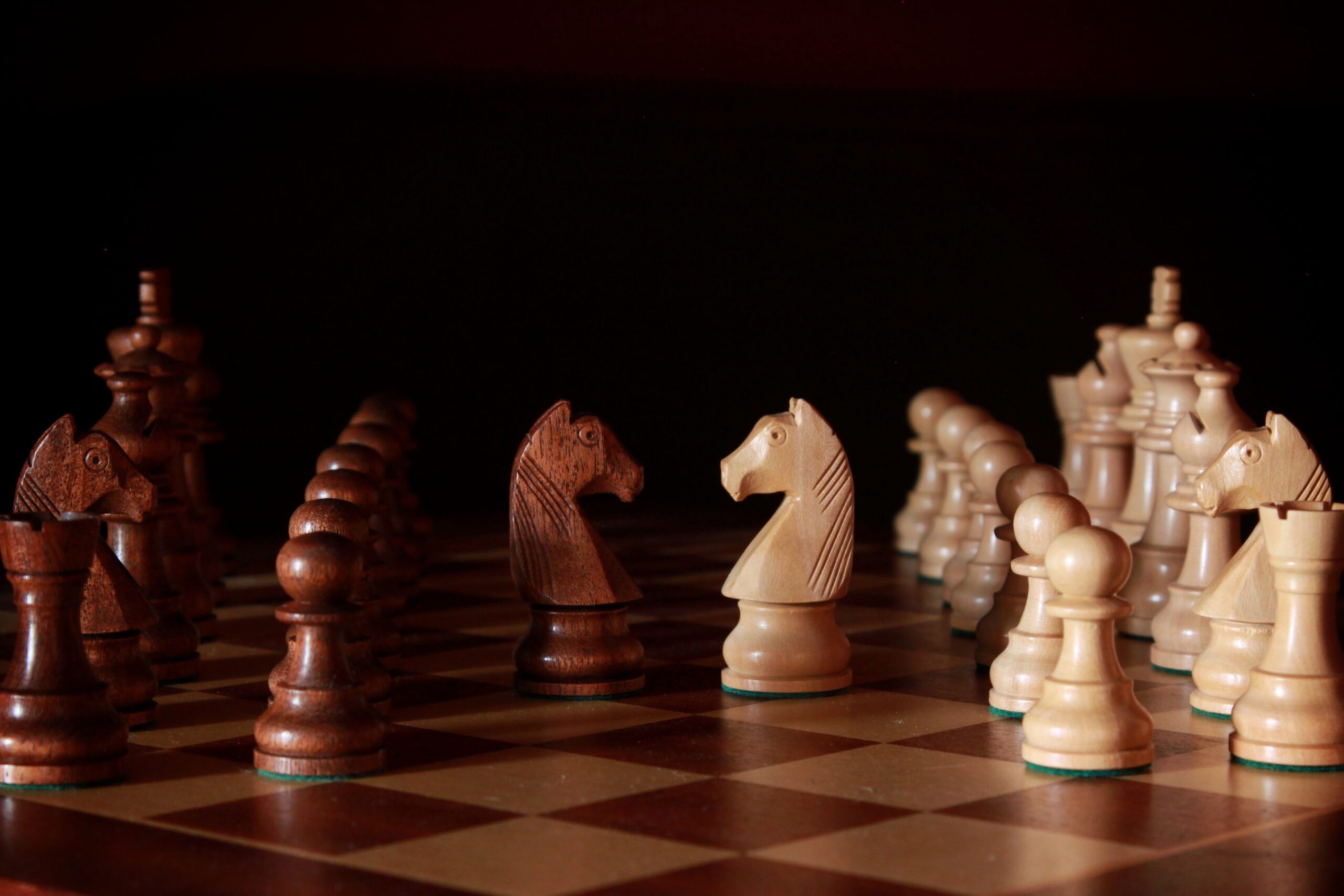
Depending on the board state, these sacrifices can take several forms. One of the most effective is eroding the king’s protection. While this might look tactical, the goal is often to create lasting pressure rather than an instant win. For instance, Vassily Smyslov famously sacrificed a knight in 1943 against Alexander Kotov to open the king’s position, creating a permanent threat that eventually led to victory.
Another key objective is seizing the initiative. In chess, the person dictating the pace usually holds the upper hand. By ceding material, a player can force the opponent into a purely defensive shell. A great example is Julio Granda Zuniga’s 2015 game against Peter Meister, where a rook sacrifice was used to create a lethal passed pawn, keeping the opponent under a constant barrage of threats.
Sometimes, the goal is simply to clear a specific square or open a line. Garry Kasparov, a wizard of this technique, often sacrificed a pawn just to activate his bishops or rooks. By removing a pesky pawn, he could unleash the full power of his pieces, transforming a stagnant position into a crushing attack.
The Sacrifice of Quality (Exchange Sacrifice
A specific and highly effective version of this is the «exchange sacrifice,» where a player gives up a rook for a minor piece (a knight or a bishop). Beginners usually avoid this because they see the rook as far more valuable. However, giving up the exchange can be a game-changing move if it removes the opponent’s most active piece or creates a dominant outpost.
- Neutralizing threats: It can be used to stop an opponent’s attack dead in its tracks.
- Improving structure: It often helps in fixing enemy pawns on a specific color.
- Creating dominance: It works best when your remaining minor pieces have superior mobility compared to the opponent’s rooks.
Tigran Petrosian was the gold standard here. He frequently traded his rook for a bishop to neutralize an attack or secure a draw in a desperate spot, as seen in his 1953 clash with Reshevsky.

Intuition and the «True» Sacrifice
One of the hardest parts about positional sacrifices is that they often cannot be calculated to a definitive conclusion. Unlike a tactical sequence where you can see the end, these moves rely on a «feel» for the position. This is what Rudolf Spielmann referred to as «true sacrifices»—moves where the compensation isn’t immediate, and the player must trust that their position is strategically superior.
This contrasts with «pseudo-sacrifices,» where the material is recovered quickly, or «false sacrifices,» which lead directly to mate. A true positional sacrifice is speculative; you are betting on your understanding of the game. It requires a blend of courage and a deep knowledge of positional patterns, trusting that the increased activity and coordination will outweigh the numerical deficit on the board.
Beyond the Basics: Diversion and Clarification
While we’ve talked about strategy, it’s worth noting that some sacrifices serve as diversionary tactics, pulling a defender away from a critical square, or as clarification moves, emptying a square to make room for a more useful piece. There is also the «time sacrifice,» where a player ignores a threat to gain a tempo advantage, speeding up an attack or pushing a pawn toward promotion.
Even the most experienced Grandmasters can mess this up. A famous error occurred when GM Aronian played a move that opened a file for Svidler’s rook, leading to a forced loss of the queen—a reminder that even when playing for a positional edge, one must stay alert to the tactical traps lurking beneath the surface.
Ultimately, mastering these complex trades is what separates the experts from the amateurs. It involves a willingness to let go of material to achieve absolute control over the board. Whether it’s a pawn for space or a rook for a dominant knight, the ability to evaluate the invisible strengths of a position allows a player to turn a material disadvantage into a strategic triumph.