- He is widely regarded as the first unofficial world champion and the pioneer of professional chess.
- His monumental work, Libro de la invención liberal y arte del juego del axedrez, shaped chess theory for two centuries.
- His legacy survives through the famous Spanish Opening and detailed historical research conducted in Zafra.
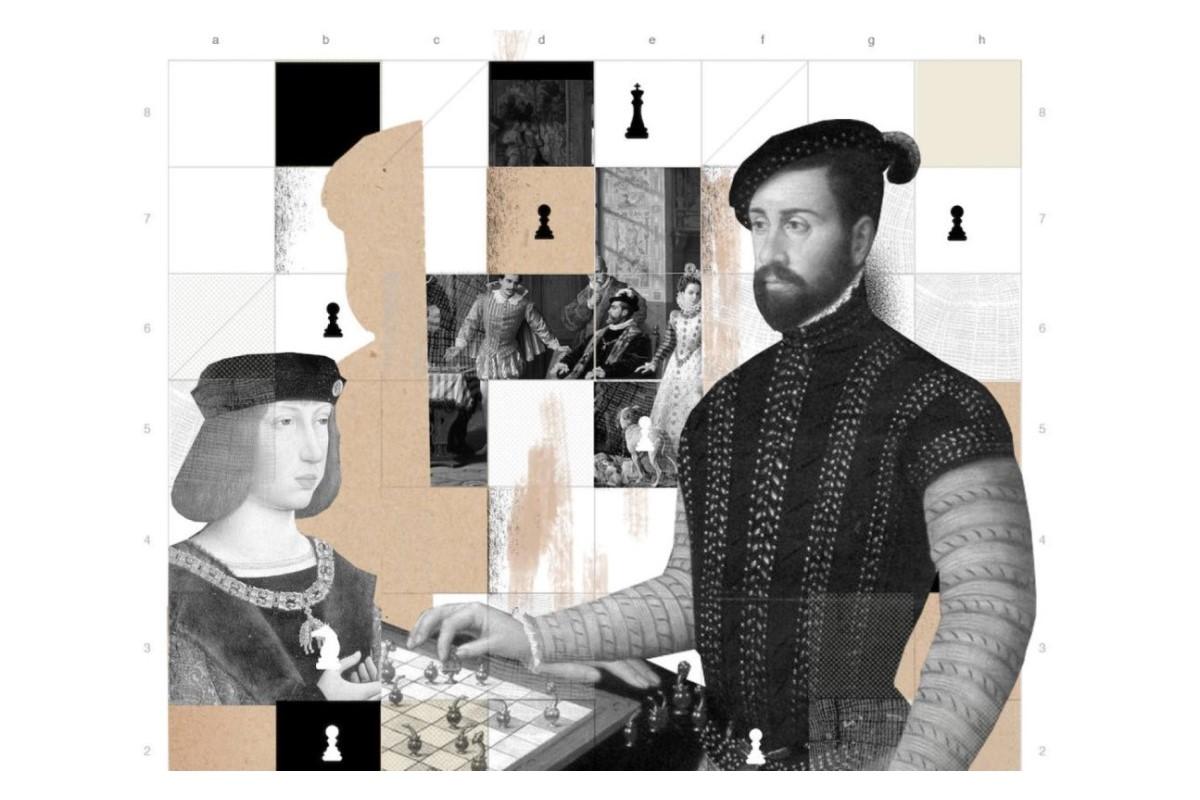
When people talk about the Spanish Game, they are usually referring to a specific set of moves on the board, but behind that name lies the fascinating story of a man who truly changed the game. Ruy López de Segura wasn’t just some random player; he was a 16th-century powerhouse who blended deep intellectualism with a competitive spirit that was way ahead of his time.
Born around 1540 in Zafra, Extremadura, this cleric and scholar managed to navigate the royal courts of Spain while mastering the 64 squares. While many of us know the opening, the man himself has remained a bit of a mystery for centuries, often overshadowed by the myths and legends that surround his era, yet he stands as the definitive bridge to modern chess.
The Man Behind the Myth
For a long time, there was a lot of noise about where he actually came from. Some historians tried to claim he was born in Segura de León, but recent, exhaustive research by Daniel and Francisco de Asís Gragera has proven that he was a true son of Zafra. In fact, the Gragera brothers spent years digging through 16th-century archives, translating old Spanish and Latin documents to find the exact location of his family home, which was finally correctly marked with a plaque in early 2025.
López was a man of many talents: a Benedictine priest, a brilliant grammarian, and a polymath. Although some old tales suggest he was a bishop or a close confessor to King Philip II, historical evidence shows he was a presbyter. His intellectual curiosity didn’t just stop at theology; he was obsessed with the logic of chess, treating it with the same rigor as a formal science.
A Pioneer of Chess Theory
In 1561, he published a masterpiece titled Libro de la invención liberal arte del juego del Axedrez. This wasn’t just a manual; it was the most influential chess book for two hundred years until Philidor came along. In it, he analyzed openings and the different phases of the game, effectively becoming the father of chess theory. His work was so respected that it was translated into French, Italian, German, and Portuguese, and even influenced the first Russian chess book in the 19th century.
Interestingly, the book contains some cheeky psychological advice. He suggested that if you were playing during the day, you should position the board so that the sun shone directly into your opponent’s eyes to distract them. If playing at night, the light should be to the right of the rival so their own hand would cast a shadow. It goes to show that even a priest believed in winning by any means necessary.
The First Unofficial World Champion
Ruy López is frequently hailed as the first professional chess player and the first unofficial world champion. His dominance was evident in his matches against the best players of the age. One of the most iconic moments occurred in Madrid, where he faced the Italian master Leonardo da Cutri, known as ‘Il Puttino’. While some later Italian paintings wrongly depicted a loss, the actual notes from Polerio suggest that López was virtually unbeatable.
In a legendary clash from 1575, López used a King’s Gambit—a bold move for the time—to dismantle Il Puttino in a brief but clinical game. Modern analysis using AI tools suggests that his level of play would translate to a FIDE ELO of around 2500, which is roughly the strength of a modern-day Grandmaster. He didn’t just play the game; he dominated the strategic landscape of the Renaissance.
Curiosities and the Evolution of the Game
The chess of López’s time was in a state of transition. He lived through the revolution of the ‘Queen’s move’, moving away from the slow medieval version where the alferza only moved one square diagonally. López himself had some quirky preferences regarding the rules. For instance, he preferred the castling move to take two steps rather than one, believing the latter gave too much of an advantage.
Another fascinating detail was the ‘King’s jump’, a rule that allowed the King to move like a knight or a bishop on its very first move to escape a mate. While such a move would completely wreck modern opening theory, it was part of the charm and complexity of the era. His life was likely as turbulent as his games; evidence suggests he was a highly polemical figure who clashed with other intellectuals, which might explain why he eventually left for Peru with his brothers.
The legacy of the Zafra master is a blend of sporting genius and historical resilience. From his groundbreaking 1561 treatise to the modern ‘Spanish Opening’ used by millions, he remains the benchmark for early professional play. Despite centuries of obscurity and nationalistic disputes over his origins or victories, the evidence points to a man who was simply the best in the world, bridging the gap between the medieval pastime and the strategic battle we know today.